
We may earn money or products from the companies mentioned in this post.
Get ready to be captivated by the lively pulse of Buenos Aires, Argentina’s bustling capital and largest city. This South American metropolis is a hive of energetic activity, offering one of the most dynamic and vibrant urban experiences you’ll ever experience!
But Buenos Aires is more than just a city; it’s the beating heart of Argentina—an economic hub, a financial center, and a cultural and political hub. The city plays a vital role in the national economy, with significant contributions spanning the agricultural, manufacturing, and service sectors.
Aside from its thriving economic scene, Buenos Aires is also the birthplace of the passionate tango dance, and the city is alive with its rhythms! Tango concerts and dance classes await, inviting you to lose yourself in this mesmerizing art form.
If you plan a cruise to Antarctica or other destinations, can you explore Buenos Aires (BA) in 24 or 48 hours? No, BA is a large capital city that takes several days to scratch the surface. But if you’ve only got 24 or 48 hours in town, here is how to make the most of your time, especially as a first-time visitor.
Buenos Aires feels like a European capital transplanted into Latin America. The architecture, food, and culture all reflect European influence. Don’t miss the opportunity to see as much as you can in as short a period. The good news is that 9 p.m. is suitable for dinner, so as long as you’re willing to go into the night hours, you’ll get to see quite a bit.
Day 1 in Buenos Aires Itinerary
Your first day itinerary hits the highlights of of Buenos Aires you should not miss on your first visit, especially if you’re limited on time.
PRO TIP: The money situation in Argentina is a mess! There is an official exchange rate, but only banks and exchange offices use it. The unofficial exchange rate is about twice as many pesos per US dollar. Your hotel front desk or guide can refer you to where you can get the best exchange rate for your US dollars. Avoid using your credit card in Argentina!
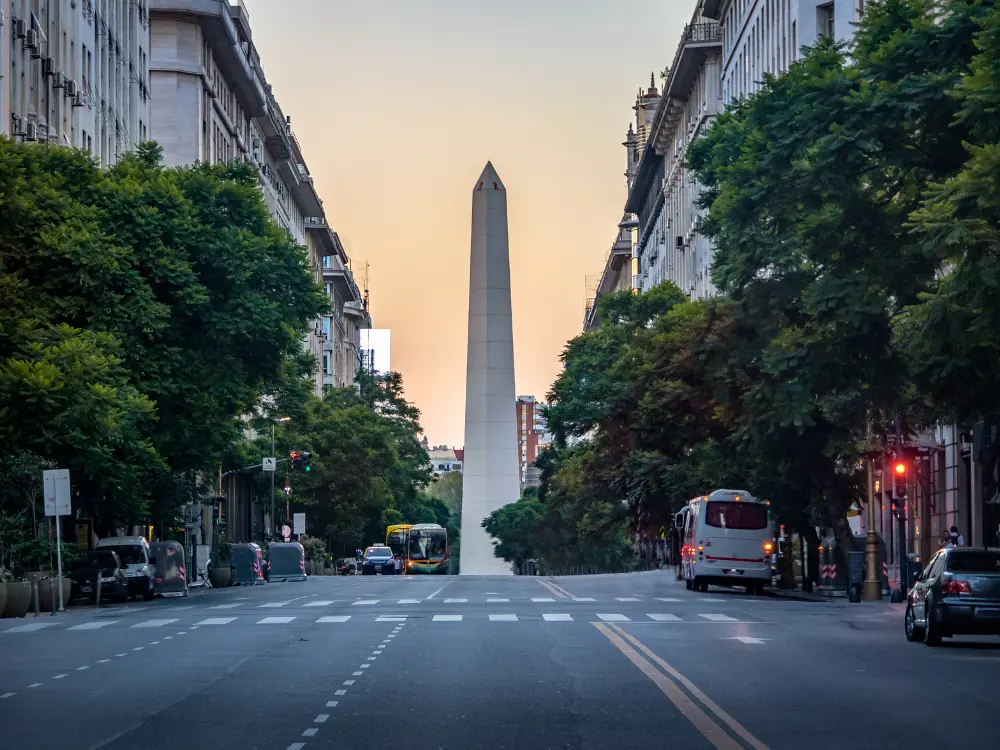
Corrientes Avenue
Corrientes Avenue, also called “Avenida Corrientes,” is a famous and busy street in Buenos Aires. People love this avenue a lot and even call it the “Broadway of Buenos Aires” because it’s like a mini theater district with lots of exciting things to do.
The avenue starts in Puerto Madero and goes for over 70 blocks, passing through neighborhoods like San Nicolás, Balvanera, Almagro, and Villa Crespo before finally reaching its end in Chacarita.
This avenue is well-known for its theaters, where they perform various live shows like musicals, plays, funny comedies, and concerts. It’s also a great place for book lovers, with charming old-style bookstores. If you’re hungry or want coffee, you’ll find plenty of cafes and places to eat delicious Argentine food. And if you like shopping, there are many stores to explore, selling local things and big international brands too.
Corrientes Avenue becomes a lively place to have fun when the sun goes down, like its nickname, “the street that never sleeps.” You’ll find many places to enjoy the night, like pubs, restaurants, and clubs where you can do different things based on your interests. Walking along the avenue, you might see street performers, singers, and artists showing their talents, making the place feel even more lively.
Corrientes Avenue is like a mini version of all the exciting things you can find in Buenos Aires. It mixes old and new, just like the whole city, and it’s a really nice spot to experience the heart of Buenos Aires.
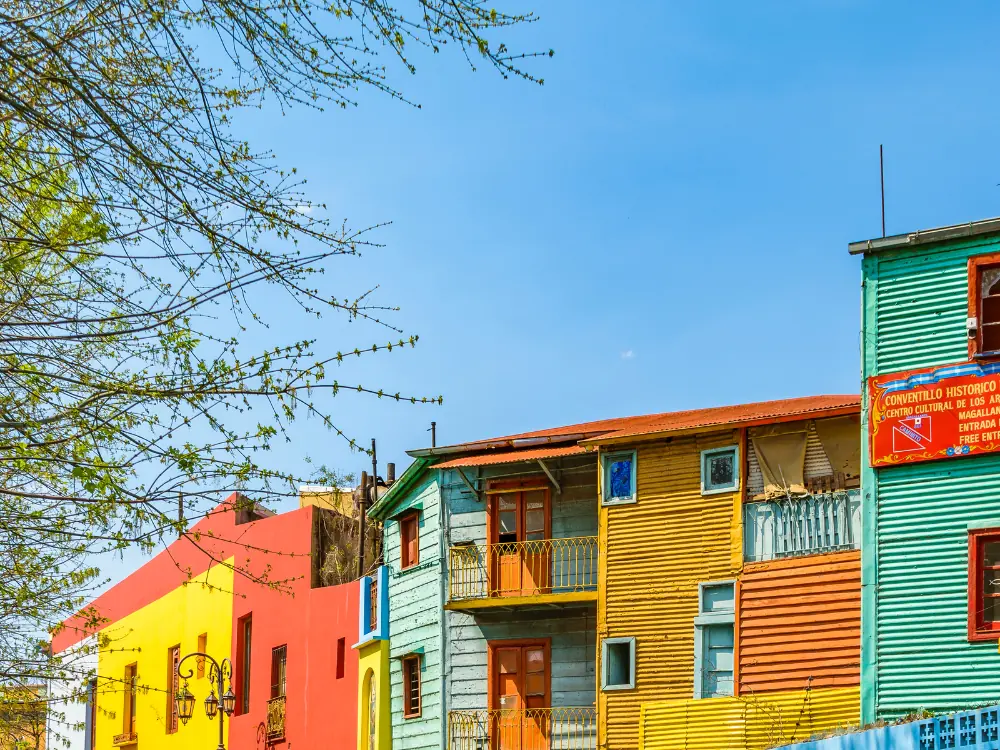
La Boca Neighbourhood
La Boca is one of Buenos Aires’ most dynamic and unique neighborhoods. It is a colorful neighborhood filled with Italian eateries, nestled near the mouth of the Riachuelo River, where the city’s early immigrants first arrived.
Some streets, such as the well-known Caminito, are lined with brightly painted wooden structures, providing a visually appealing backdrop. It’s a fun and lively place with artists, musicians, and people performing on the street. La Boca, now an artists’ community, was the site of the city’s earliest meat-salting factory, which brought Buenos Aires great success in the 19th century.
Aside from its vibrant façade, La Boca has several museums and cultural centers highlighting the neighborhood’s rich history and culture. Notably, the Proa Foundation is a well-known contemporary art museum in Buenos Aires, hosting ever-changing exhibitions and shows by local and foreign artists.
Visiting La Boca offers a unique peek into Buenos Aires’ rich cultural tapestry and the passionate energy of its people.
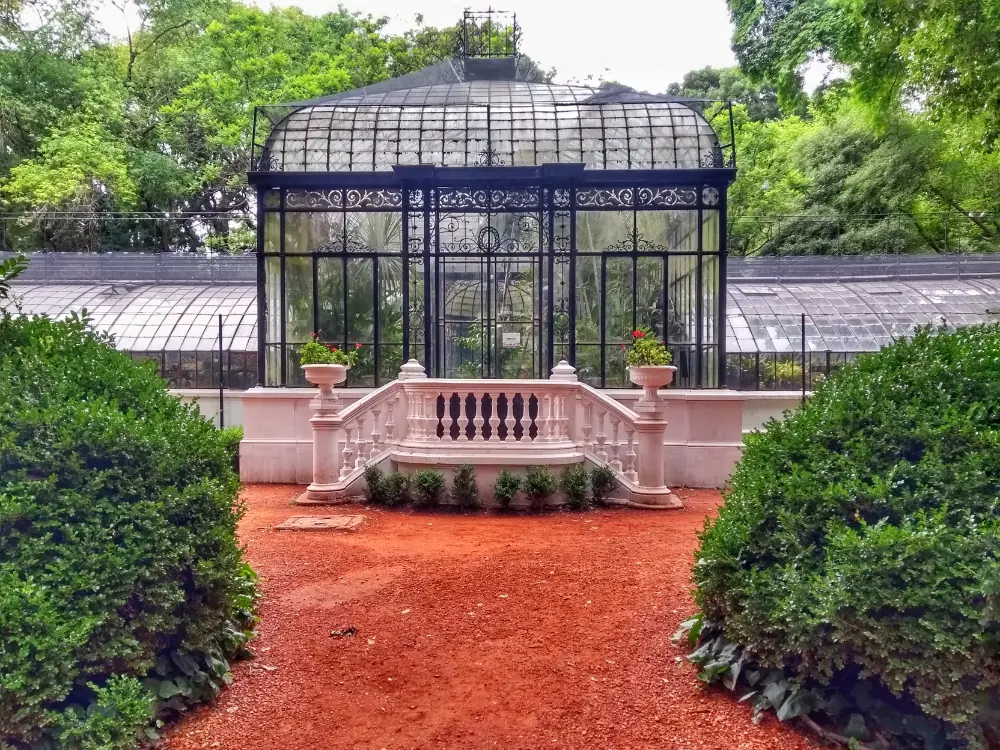
Carlos Thays Botanical Garden
The Carlos Thays Botanical Garden, also known as Jardín Botánico Carlos Thays, is a serene and beautiful sanctuary in Buenos Aires’s heart. This botanical garden is named after its designer, the renowned French-Argentine landscape architect Carlos Thays. It offers a tranquil escape from the bustling city streets, providing a peaceful haven to appreciate the wonders of nature.
The park, which covers an area of seven hectares, is home to an astonishing collection of over 6,000 tree and plant species. Inside its grounds, you’ll discover a botanical library, unique gardens inspired by Roman, French, and Oriental styles, a herbarium, and five greenhouses.
One greenhouse was even recognized at the Paris Universal Exposition in 1900. The garden’s plant and tree species are thoughtfully organized by region, showcasing a diverse range of native Argentine flora.
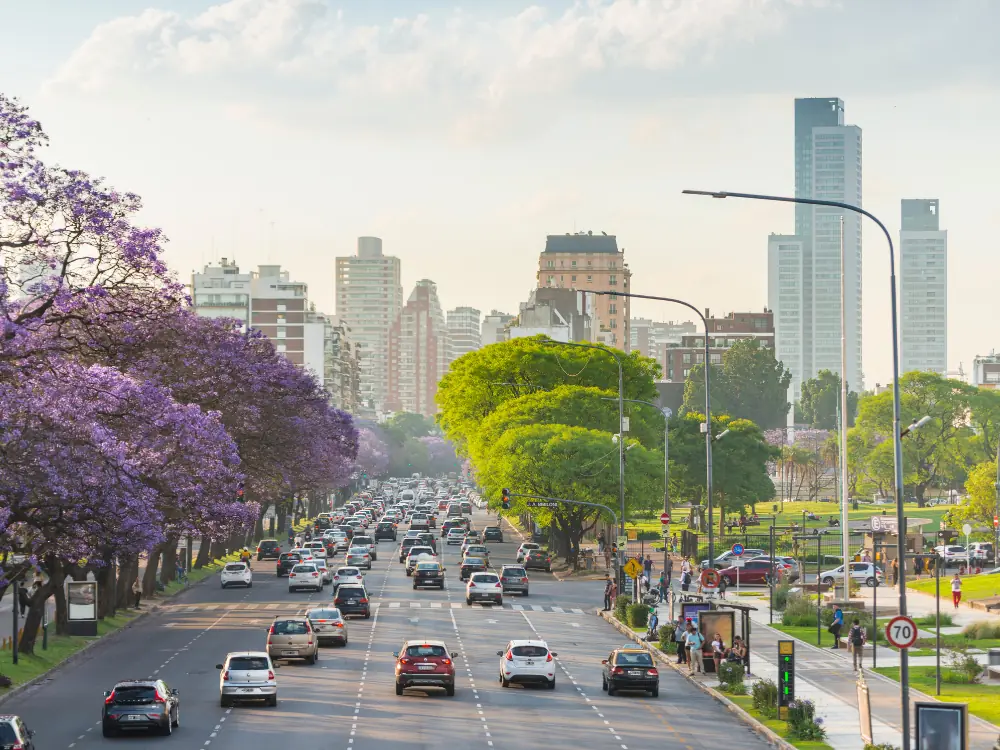
Palermo
Palermo stands out as a lively and stylish neighborhood in Buenos Aires. It is one of the city’s most prominent neighborhoods and has many attractions, making it popular with locals and visitors.
Palermo has some of the most magnificent parks in the city, including Parque Tres de Febrero, an expansive green sanctuary with tranquil lakes, lush gardens, and walking paths. Within the park is a peaceful and scenic Japanese Garden that offers a glimpse into Japanese culture, adding a unique touch to the surroundings.
Palermo’s vibrant street art and murals that grace its walls are one of the neighborhood’s distinct features, showcasing its creativity and uniqueness. If you’re into art, you’ll be thrilled that Palermo has several cultural centers and art galleries that offer insights into local and contemporary artistic expressions.
But if you’re a food enthusiast, you will also find Palermo a culinary paradise, offering various dining experiences ranging from traditional Argentine steakhouses to international cuisines and upscale cafes. This diverse culinary scene adds another layer of richness to the neighborhood’s vibrant tapestry.
Palermo is a mix of vibrant ambiance, green parks, fashionable boutiques, and cultural delights– all of which make it a must-visit spot in Buenos Aires. It’s a great place to visit during your time in the city, and you’ll surely love its distinct and charming atmosphere.
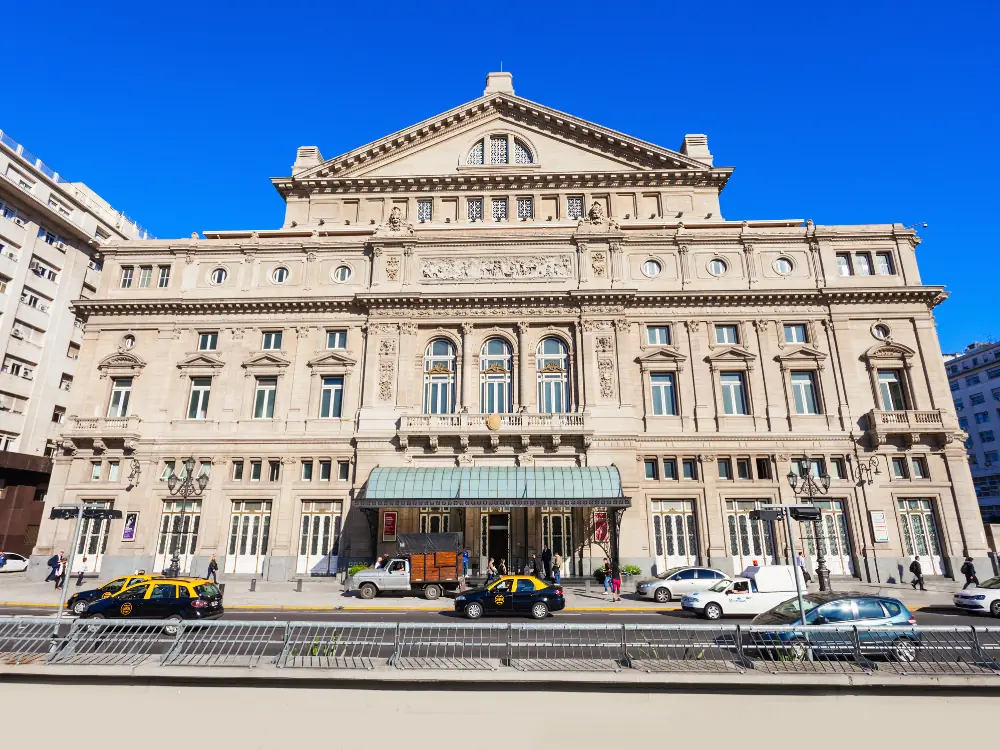
Visit the Colon Theater
The Colon Theater, also known as Teatro Colón, is one of the world’s most prestigious and well-known opera houses. According to National Geographic, it ranks as one of the top five opera theaters globally for its exceptional acoustics, ranking third after Milan’s La Scala and Naples’ Teatro di San Carlo. The Colón has consistently showcased world-class operas, ballets, and classical music performances for over a century, earning its well-deserved reputation.
This fancy opera theater looks just as impressive on the inside as the performances it puts on. When you step in, you’ll see fancy European-style décor like Italian marble stairs, Venetian mosaics, French stained glass, and a glittering grand chandelier.
The Teatro Colon represents Argentina’s love of the arts and devotion to cultural excellence. Attending a concert or having a tour of this majestic opera house gives you a once-in-a-lifetime chance to immerse yourself in the grandeur and tradition of classical music and the performing arts. It’s like feeling how much Argentina loves art and how they want to excel in the industry.
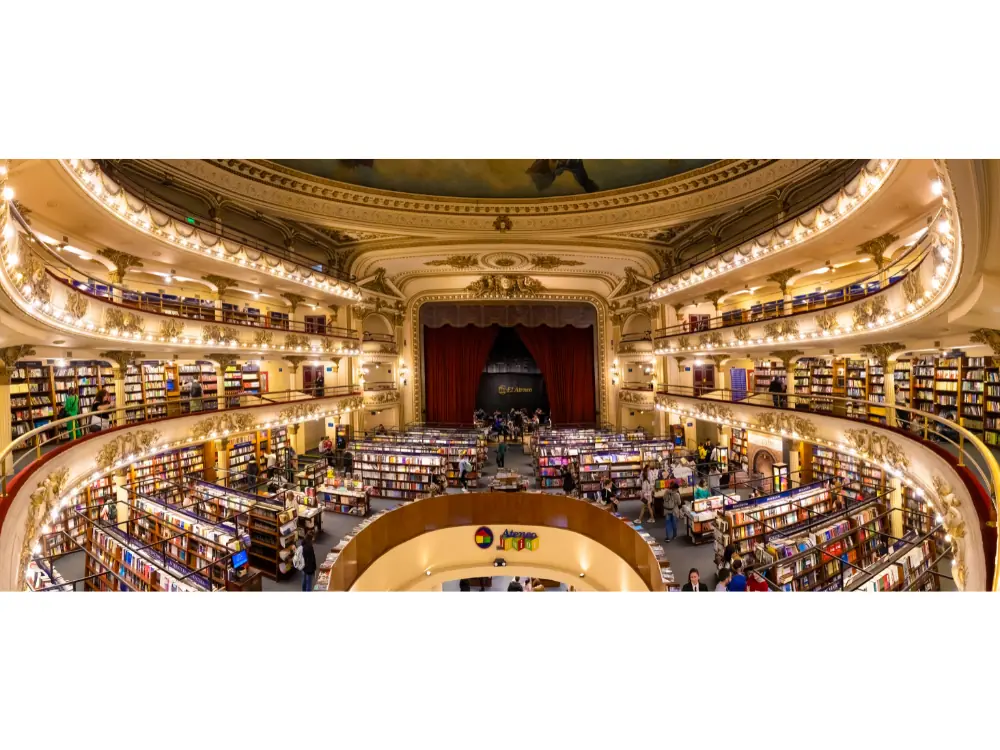
El Ateneo Bookstore
El Ateneo Grand Splendid is a famous bookstore in Buenos Aires. It is regarded as one of the most beautiful bookstores in the world and is definitely a must-see for book lovers and architecture enthusiasts.
El Ateneo Grand Splendid opened its doors in 1919, retaining the grandeur and elegance of its former incarnation as the Grand Splendid Theater, created by Architects Peró & Torres Armengol. The theater initially hosted ballet and opera acts, quickly becoming a Porteño culture symbol. The space was transformed into a bookstore in 2000, retaining its original beauty, including the dome decorated with murals by Italian artist Nazareno Orlandi.
The bookstore has a large selection of books ranging from classic literature to current bestsellers and books in different languages. In addition to books, the bookstore also offers gifts, souvenirs, and stationery, making it an excellent spot to find one-of-a-kind souvenirs from your trip to Buenos Aires.
Also, note that the bookstore occasionally holds live performances, book signings, and cultural events; this provides a dynamic and engaging experience during your visit.
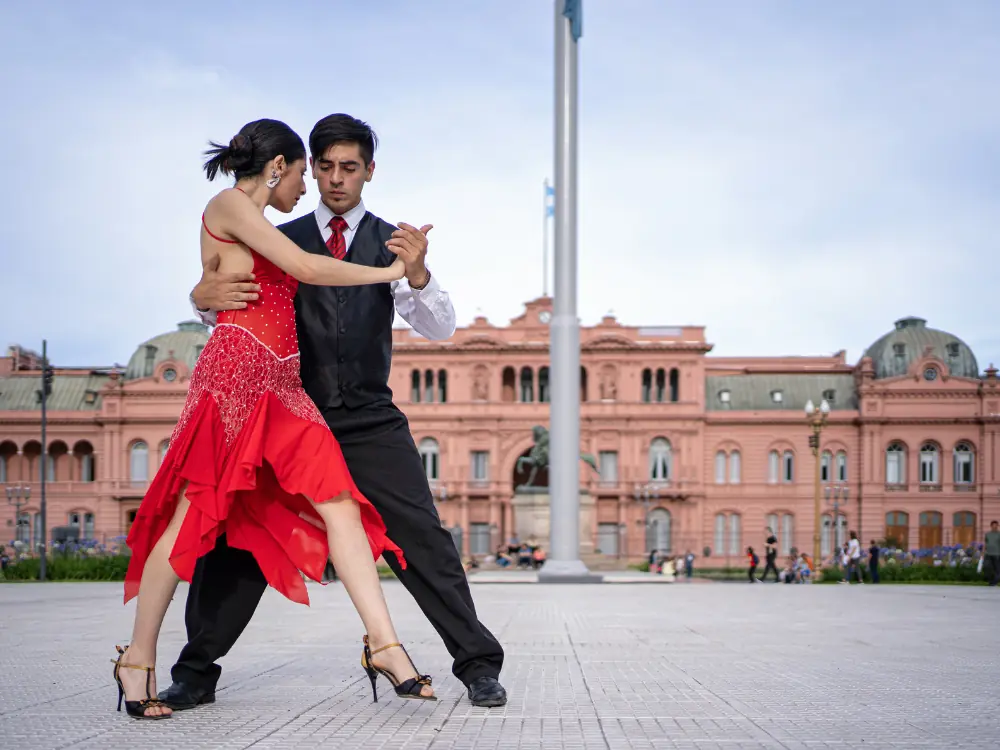
Tango Show
Buenos Aires is famous worldwide for its vibrant tango culture, and immersing yourself in a tango performance is a must and a captivating activity during your visit. These captivating performances feature highly skilled and professional tango dancers who expertly express this timeless dance’s elegance, sensuality, and deep emotions.
Live music is usually played in the background, with a tango orchestra or a quartet playing traditional tango melodies that enhance the performance.
You can enjoy these captivating tango displays in various settings, from historic theaters and cozy cabarets to upscale restaurants and dedicated tango clubs. Many tango shows combine entertainment with dining, allowing you to savor delicious Argentine cuisine while being entranced by the enchanting tango performance.
This combination of dinner and a show is popular, offering a fulfilling and enjoyable evening of cultural experience.
PRO TIP: For those watching their budget, book a Tango Show without dinner and eat dinner before or after the show.
Yet, attending a tango show in Buenos Aires offers more than just entertainment; it provides a deep cultural connection. Watching these exceptional presentations allows you to dive into the heart of Argentine artistry, stirring your feelings and helping you connect with the passion and elegance woven into this iconic dance style.
Day 2 in Buenos Aires Itinerary
Your second day in town focuses on historic sites. If you’ve got time, add sites like La Recoleta Cemetery, where past presidents and famous artists are buried. Or enjoy shopping for some of the best souvenirs from Argentina along Calle Florida, a pedestrian-only shoppers’ haven.

Plaza de Mayo
One of Argentina’s most historically significant and important landmarks, Plaza de Mayo serves as Buenos Aires’ main central square. This plaza has witnessed various important events throughout the country’s history, impacting its heritage.
Aside from serving as a political, economic, and administrative operations center, it embodies the spirit of rebellion and ambition, representing the nation’s challenges and aspirations. The plaza’s name refers to the historic May 25, 1810, Argentine Revolution, a turning point that sparked revolutionary change.
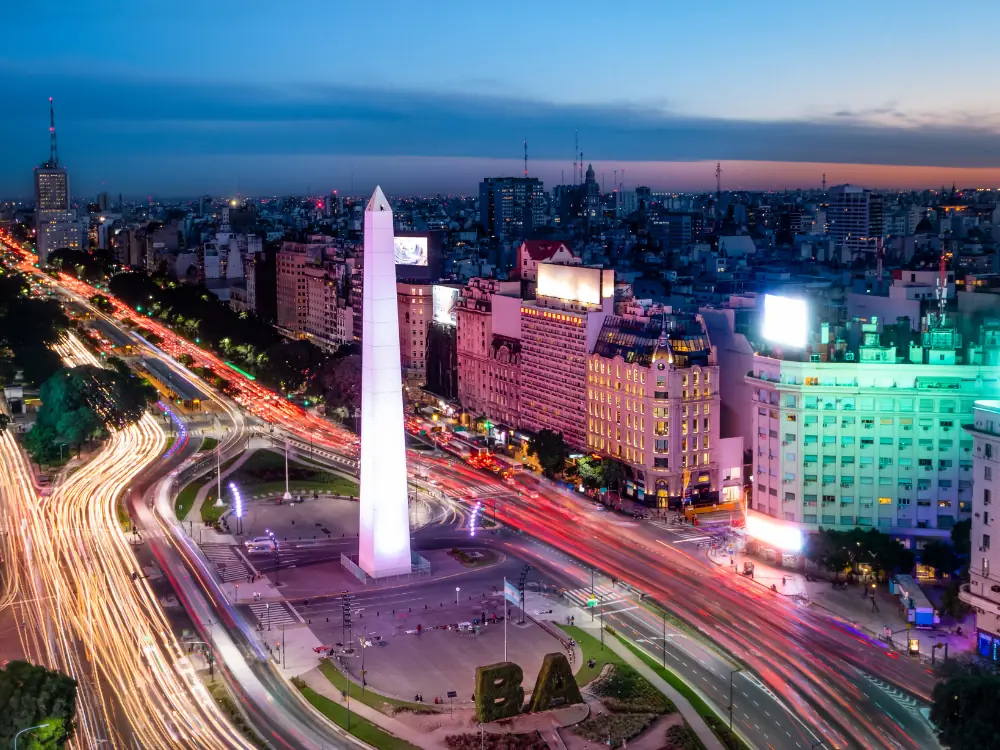
At the heart of the square stands the Pirámide de Mayo, an iconic obelisk monument that is a tribute to the first anniversary of the May Revolution of 1810. This milestone holds extreme significance in Argentina’s journey towards achieving its independence.
Plaza de Mayo continues to be a vibrant center, hosting public gatherings, concerts, and cultural festivities that draw in locals and tourists. While taking a leisurely stroll through the square, you might see street performers, musicians, and artists who lend their talents to contribute to the lively atmosphere.
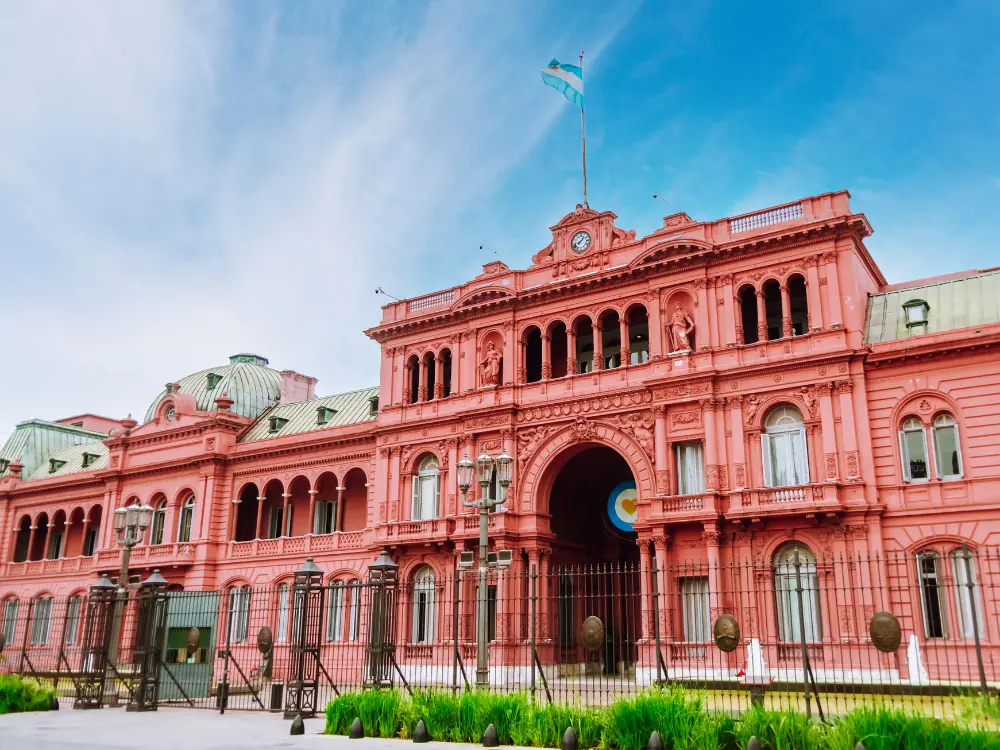
Casa Rosada
Casa Rosada, or the Pink House, stands as the iconic presidential palace of Argentina. The Casa Rosada’s unusual pink tint distinguishes it as a unique and recognizable structure. The architecture of Casa Rosada is an intriguing mix of styles, including neoclassical and Italianate, and it has a large exterior with oversized balconies and intricate decorations.
The balcony, commonly known as the “Balcony of the People,” is a fascinating historical part of Casa Rosada, having served as the platform from which successive presidents, including the renowned Eva Perón, addressed the people. Eva Perón’s unforgettable remarks from this balcony have left an everlasting impression on the country’s history.
During your visit to Casa Rosada, guided tours that dive into the palace’s rich history, architectural features, and political significance welcome you. Exploring the grounds provides insights into Argentina’s presidents and political issues, making it an exciting experience for visitors interested in the country’s history and present.
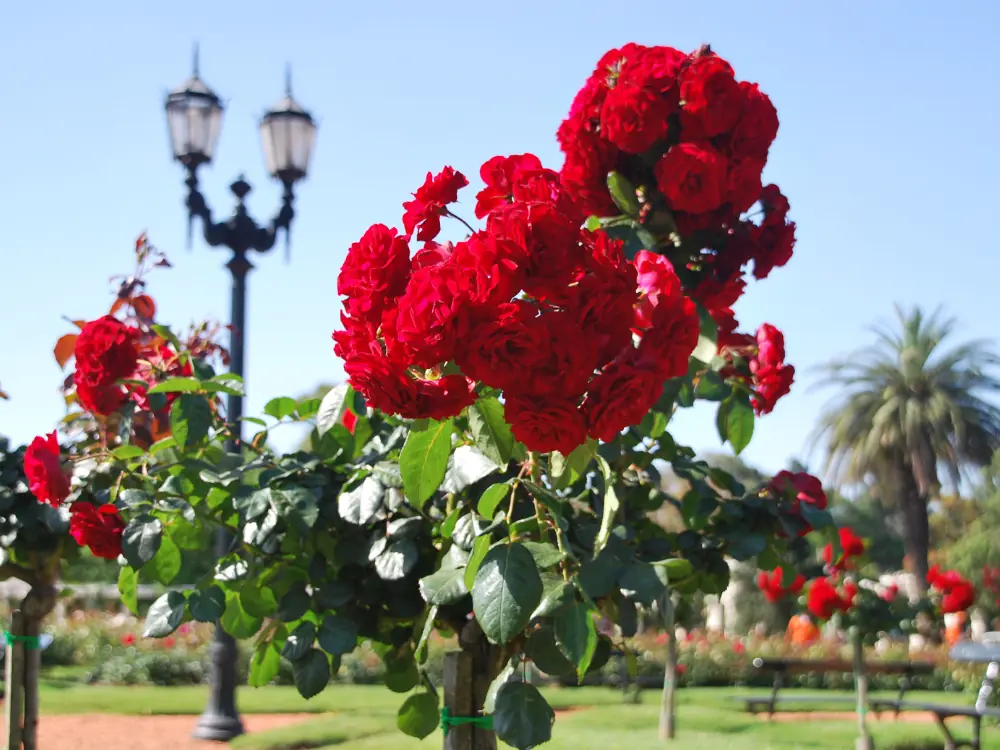
Rose Garden
When visiting the Rose Garden, you will be greeted by an expansive landscape adorned with over 18,000 roses, creating a captivating tapestry of colors. A calm lake and spacious green fields surround the gardens, providing a serene and tranquil relaxing atmosphere.
Amid this charming scene stands a delightful gazebo, offering an ideal spot for taking unforgettable photos or simply unwinding in the midst of nature’s magnificence. The gentle sounds of flowing water from fountains and water features add to the peaceful environment, enhancing the tranquil vibe of the garden.
This romantic setting makes the Rose Garden a favorite place for couples and a popular location for capturing the enchantment of weddings against the backdrop of breathtaking scenery.
On weekends, the garden transforms into a vibrant hub of creativity as local artisans gather for craft fairs to display their unique creations. This is your chance to find one-of-a-kind souvenirs and handicrafts that will make your visit to the Rose Garden a cherished memory to hold onto.
PRO TIP: Museums are closed on Mondays, so plan your itinerary accordingly!
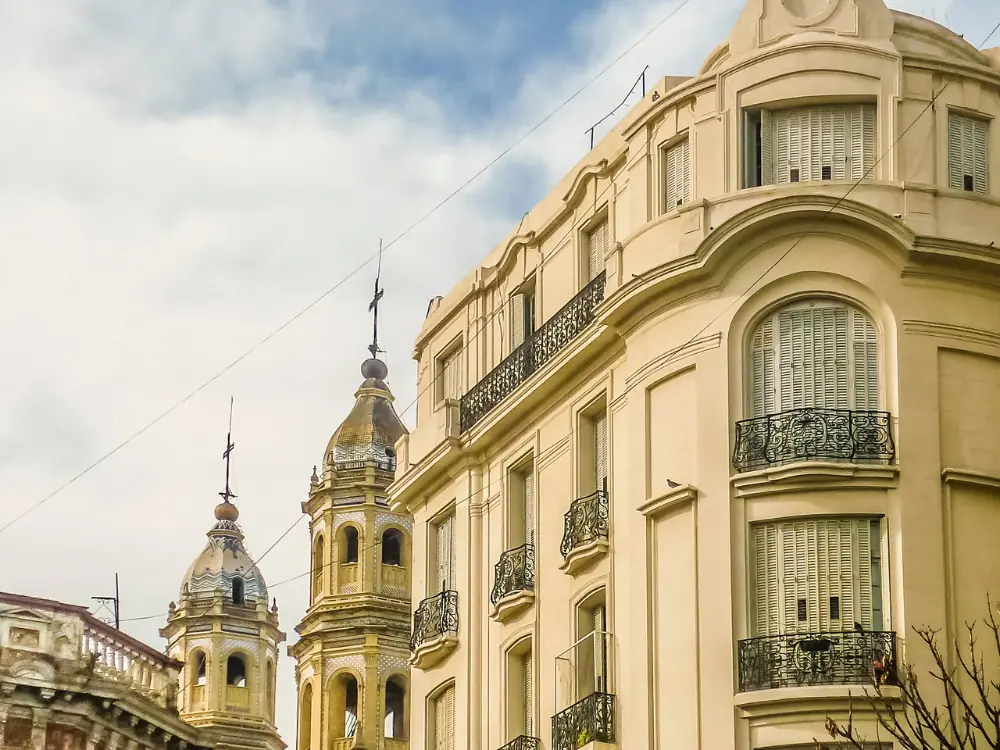
San Telmo
San Telmo is Buenos Aires’ oldest and most iconic neighborhood, preserving much of its original architectural charm. Charming old houses, cobblestone paths, and lovely courtyards with fountains line the streets, creating a nostalgic feeling that takes you back in time. Visitors also get a glimpse into local life.
As you explore this historic area, you can discover unique places like Pasaje Defensa, a mansion the Ezeiza family once owned. San Telmo offers a variety of experiences, from finding unique items in antique shops to enjoying the enchantment of a tango concert or having a relaxed coffee at a local bar.
When the sun goes down, San Telmo transforms into a vibrant hub of tango clubs and dance spots known as milongas, where Argentina’s famous dance takes the spotlight. The neighborhood’s unique charm attracts artists, writers, and people with a free spirit, giving San Telmo a unique and artistic vibe. The streets become vibrant with creativity, making it a captivating choice for those who want an artsy experience that truly captures the essence of Buenos Aires’ artistic soul.
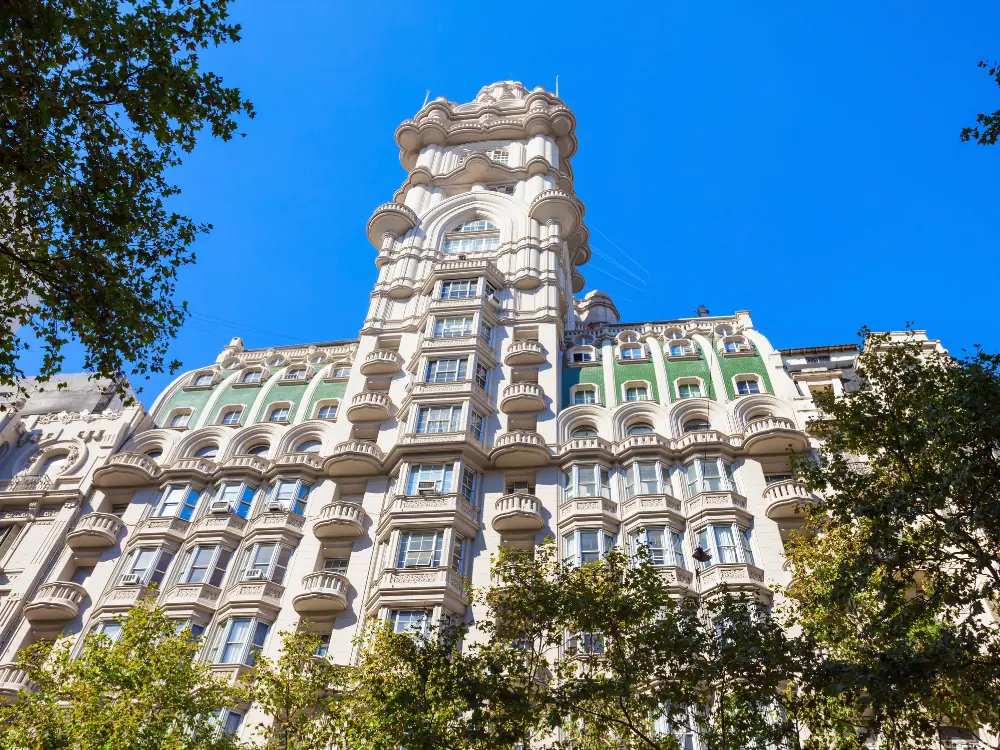
Palacio Barolo
Palacio Barolo is known for its distinctive and eclectic architectural style, which combines neoclassical, Art Nouveau, and Gothic Revival features. The Palacio Barolo is located on Avenida de Mayo and was finished in 1730. Inspired by the Divine Comedy, Palacio Barolo is a tall building with 18 floors, standing at 100 meters.
On the outside, you’ll see many detailed decorations, meaningful symbols, and a unique tower resembling a lighthouse. And when you explore inside, you’ll have the chance to discover the critical stories and meanings of this really impressive building.
The best part of visiting Palacio Barolo is definitely the incredible view from the highest point. Once you reach the top, you’ll see an amazing 360-degree view of Buenos Aires. You can see the whole city skyline, famous landmarks, and even the beautiful surroundings that go on as far as you can see.
Consider taking a guided tour of the palace to learn more about its history, architecture, and connection to Dante’s Divine Comedy.
Gran Cafe Tortoni
One of the must-dos in BA is to enjoy a coffee, snack, or meal at the Gran Cafe Tortoni. It is considered one of the most beautiful cafes in the world. Since 1858, the Cafe has served locals and tourists alike and is the oldest cafe in Buenos Aires.
But if the food and coffee delivered by black-suited waiters were not good, the business would not still be around 150 years later. Try to avoid meal times as the wait lines can be really long.
PRO TIP: A must-order item is the churros with chocolate.
Palermo Hippodrome
The Palermo Hippodrome, or the “Hipódromo de Palermo,” is a well-known horse racing facility in Buenos Aires. This racetrack is one of the country’s largest and most prominent horse racing grounds, attracting participants and enthusiasts nationwide.
The air fills with excitement and anticipation as the thunderous galloping of horses echoes down the course, backed by loud audience cheers. It’s a thrilling experience that captures the excitement of horse racing.
But the Palermo Hippodrome has more than just horse racing. A casino, a shopping center, and charming French restaurants make this place even more interesting. This mix of different things to do turns the venue into a fascinating place that offers something for everyone beyond just the races.
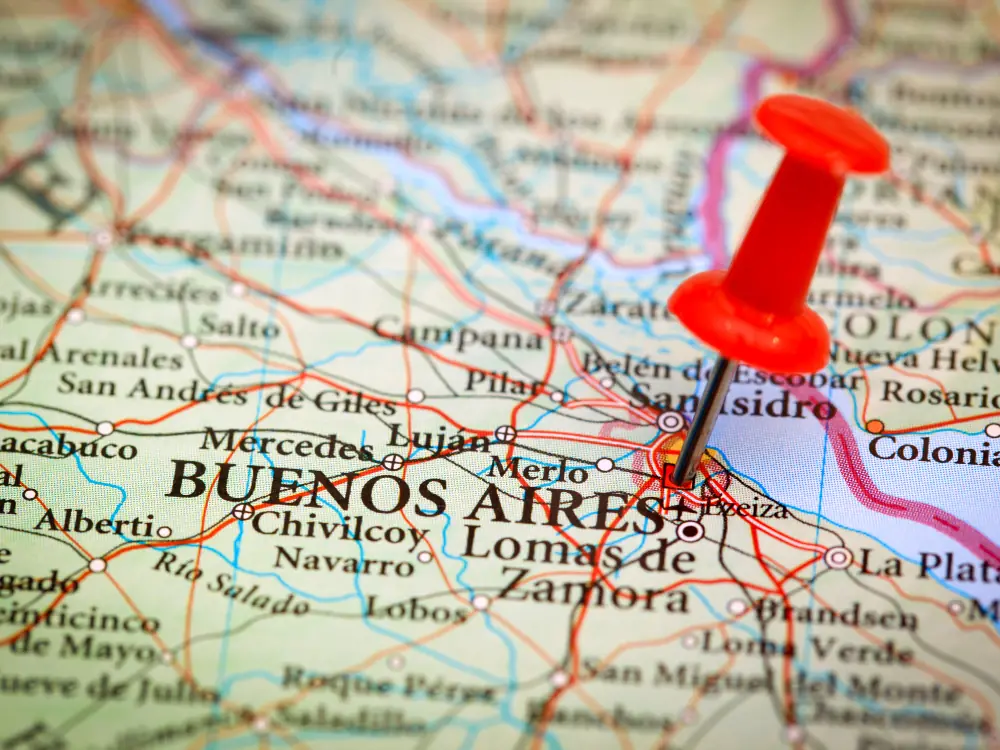
Planning Your Buenos Aires Itinerary
Is it too stressful to plan a day or two in Buenos Aires? Then the best way to see the main sights is to take a free walking tour. With a full day to explore, take a free walking tour or two with Free Walks Buenos Aires. Choose from a variety of tours depending on your available days and times. A tour guide will ensure that you see the Paris of Latin America’s highlights. Take the Recoleta & Retiro Tour followed by the City Center Tour to get a good overview of the main areas of downtown Buenos Aires.
Getting Around Buenos Aires
You’ll find plenty of taxis and Ubers in Buenos Aires. But traffic, especially at rush hour, can be especially challenging, so add extra time to any travel. If you can, take the subway, the best public transport option, to get around downtown. You’ll need to purchase a sube card to use the subway.
Where to Stay in Buenos Aires
Buenos Aires offers many different options and categories of accommodations.
Luxury Option: Park Tower, A Luxury Collection Hotel. Location, location, location. This deluxe hotel is located near Retiro and Recoletta, popular tourist areas of town. The area around the hotel is where heads of state visit, so don’t miss exploring the neighborhood.
Midrange Option: Buenos Aires Marriott. The 9 de Julio Avenue location is perfect for exploring so many city areas! This historic building has been updated over the years, but it is undoubtedly an older facility but very comfortable and with a fantastic pool deck! If you have a Marriott card, you’ll get even better extras, like access to the M Club for 24-hour snacks and drinks. This is where I stayed due to location, location, location!
Sheraton Buenos Aires. Guests looking to stay closer to the Florida Street and British Clock Tower area will prefer the Sheraton to the Marriott. Guests like this newer facility because of its amenities and location.
Budget Option: Airbnb places are so affordable! A place for a solo traveler (like me) can cost as low as $35 per night and in some of the most appealing areas of town, such as Recoleta or trendy Palermo Soho and Palermo Hollywood.
Final Thoughts on Buenos Aires in 24 or 48 Hours
A whirlwind of 24 or 48 hours in Buenos Aires still permits enough time to see the highlights if you plan your itinerary. It also helps to book your hotel in a central area to lessen your travel time.
BA is like the Paris of Argentina. The city comes alive at night, so don’t worry if you’ve only got a short time in town! A good plan makes the most of the city’s tourist attractions in 1 or 2 days in Buenos Aires.
Check out these other related posts:
Happy travels,
Annick, The Common Traveler


 Raised as a third culture kid living in South America and Europe, Annick caught the travel bug early. As an empty-nester, Annick enjoys sharing her tips for traveling for those with champagne taste and beer budgets.