
We may earn money or products from the companies mentioned in this post.
Guest Post by Kim Balchios from Mama Kim’s Animal Rescue
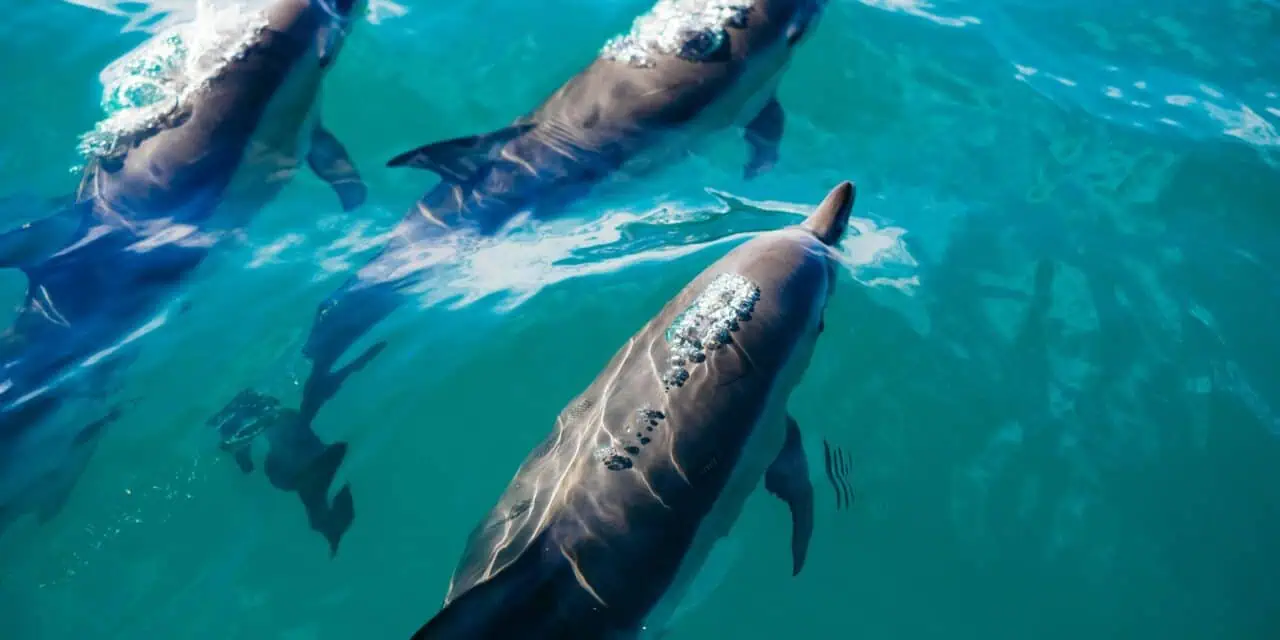
Swimming with dolphins is something a lot of people dream about. I’ve seen it happening in places like Florida and Hawaii—families lined up to get photos, people grinning ear to ear.
But the more I traveled, the more I started to wonder: Is this actually okay for the animals? So when I began planning my next trip to Europe, I decided to dig a little deeper.
That’s how this article was born.
I wanted to find dolphin experiences that felt good—not just for us as travelers, but for the dolphins too. After all, these animals are incredibly smart, social, and sensitive. The last thing I wanted was to support something that keeps them trapped or stressed.
So I spent hours reading reviews, checking rules in different countries, and scrolling through real traveler posts on Reddit, TripAdvisor, and Quora. I’ve done the research, so you don’t have to.
The truth is, many countries in Europe have pretty strict rules when it comes to keeping dolphins in captivity. In fact, in some places, it’s banned altogether.
Even so, you can still have amazing dolphin encounters in Europe—many of them are out in the wild, where the animals are free to come and go as they please.
What matters most is choosing experiences that are ethical and respectful. Always go for places that are highly reviewed and put the wellbeing of the animals first.
The best places make sure that dolphins are treated kindly, that they live in their natural habitat whenever possible, and that your visit won’t harm their health or change their natural behaviors.
In this article, we’re going to explore some of the best places to swim with dolphins in Europe, what each experience is like, how much it costs, and—most importantly—why it’s considered ethical.
Where to Swim with Dolphins in Europe

🐬 Portugal – Algarve Zoomarine
The Experience
Zoomarine in the Algarve is a family-friendly marine park featuring an experience called Dolphin Emotions.
After a short educational introduction on dolphin biology, you’ll get to enter a lagoon-style pool with a small group and spend 15–90 minutes interacting under trained supervision.
You won’t just watch—you’ll get to swim alongside the dolphins, play simple games, and learn about their behavior. Multiple packages exist:
The Cost
In low season, the Dolphin Emotions Encounter starts at about €125 on top of park admission.
Private or premium experiences can go up to €825–€869 for exclusive sessions.
Why it’s Ethical
Zoomarine promotes dolphin care and education. Sessions are structured to include rest time for the animals, and the dolphins live in a spacious lagoon rather than tiny pools.
While the dolphins here aren’t wild, the park’s approach focuses on respect and care, making it a more responsible option compared to other dolphin shows or tourist traps.
🌟 Hot Tip: If you’re planning to visit Zoomarine, book your dolphin experience in advance—especially in summer when slots fill up quickly. Bring water shoes for comfort, and wear a snug swimsuit (no zippers or jewelry) since you’ll be in close contact with the dolphins. It’s also worth setting aside time to explore the rest of the park, which includes water rides, bird shows, and an aquarium—great if you’re visiting with kids or teens.

🐬 Azores – Swim with Wild Dolphins
The experience
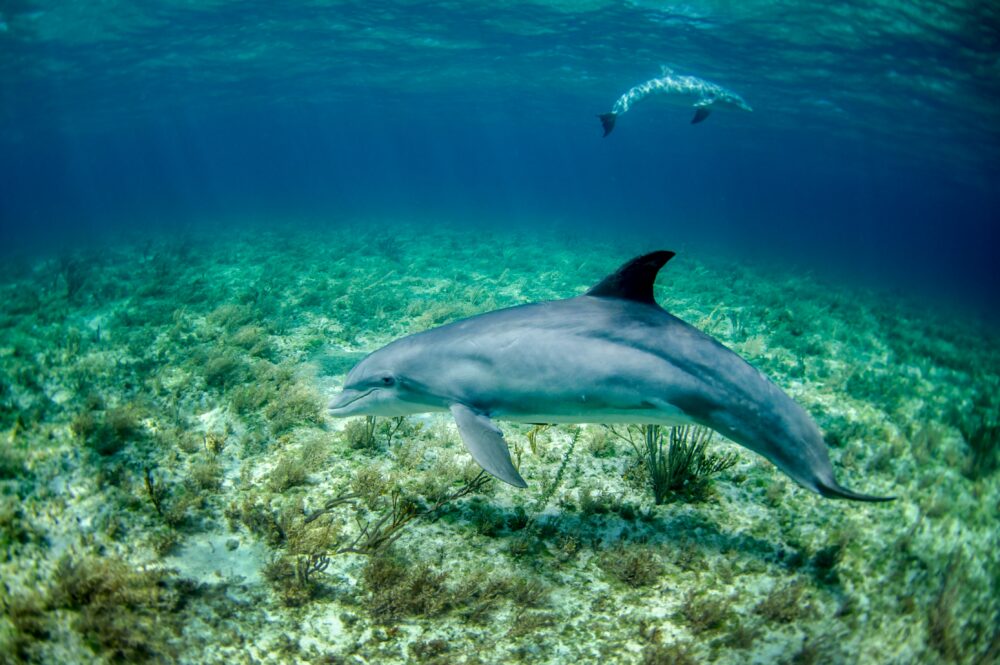
On São Miguel in the Azores, you can hop onto a small boat or zodiac led by marine biologists and head into the Atlantic. After spotting dolphins from the deck, up to two people at a time do a gentle snorkel dip—floating calmly as curious dolphins swim past.
It’s a “let the dolphins approach you” kind of vibe, not chasing them. Tours include a full safety briefing, wetsuits, mask and snorkel, and plenty of guidance so everything stays ethical.
The cost
A typical swim-with-dolphins tour costs around €75–95, sometimes bundled with whale watching for up to €120–150.
Group sizes stay small (around 8–12), and operators often offer a free return or refund if no dolphins show up. Private tours or peak season outings can cost a bit more.
Why it’s ethical
This is all about wild, free dolphins. The Azores stick to tight rules: only licensed operators, minimal swimmers in water at once, strict distance limits, and sessions guided by marine biologists.
You slip in quietly and let nature do the rest. No feeding, no touching, no tricks—just respectful, slow encounters.
🌟 Hot Tip: Swimmers should dive in slowly and stay still—fast moves or flippers can scare the dolphins. Operators limit time in the water and track animal behavior, sometimes canceling or skipping swims if the dolphins seem stressed. And if the sea gets choppy, no worries—they’ll reschedule for calmer conditions.

🌊 Madeira – Swim with Wild Dolphins
The experience
Off the coast of Madeira, you’ll join a small RIB or catamaran tour led by marine biologists and expert local crews. Boats often rely on land-based spotters to locate dolphin pods.
Once the dolphins are nearby, you might get to snorkel in small groups, holding onto a rope beside the boat for a gentle encounter. It’s not grabbing fins or chasing pods—just respectful floating while playful dolphins approach.
The cost
Tours typically start around €55–75 for dolphin and whale watching with an optional swim. If swimming isn’t possible—due to species, sea conditions, or regulations—you’ll often still pay the same rate or receive a partial refund. Many companies offer a free rerun if no dolphins or whales are seen.
Why it’s ethical
Swimming with dolphins in Madeira is one of the most respectful wildlife experiences in Europe. Like in the Azores, the dolphins here are totally wild—no tanks, no tricks, and no feeding. You head out into the open ocean and let the dolphins decide if they want to come close. That’s a big win for the animals’ wellbeing.
But there are a few key differences between Madeira and the Azores. In the Azores, most tours only allow two swimmers at a time in the water, and you’ll usually be snorkeling away from the boat, which keeps things super quiet and low impact.
In Madeira, you’re often holding onto a rope at the side of the boat and drifting alongside, which is a little more structured but still calm and respectful. Also, Madeira only allows swimming with certain species—like common or Atlantic spotted dolphins—and only when the animals are relaxed and conditions are just right.
Most tours in Madeira are led by marine biologists or experienced guides who know how to keep both dolphins and humans safe. Boats follow local rules to avoid loud noises or sudden approaches, and some even use electric engines to reduce underwater noise.
🌟 Hot Tip: Timing is everything! Try to pick a calm sea day and avoid high winds—travelers say calm conditions and a small RIB ride give you the best chance of actually swimming rather than just watching.
If you really want that swim experience, check ahead whether the operator prioritises small groups and follows Madeira’s “no-touch, let-them-approach” guidelines. This keeps both you and the dolphins safe and happy.
🐬 Tenerife – Swim with Dolphins at Aqualand or Wild from the Sea
The experience
In Tenerife, you’ve got two main ways to swim with dolphins—either in a marine park like Aqualand Costa Adeje, or in the wild near the South Coast.
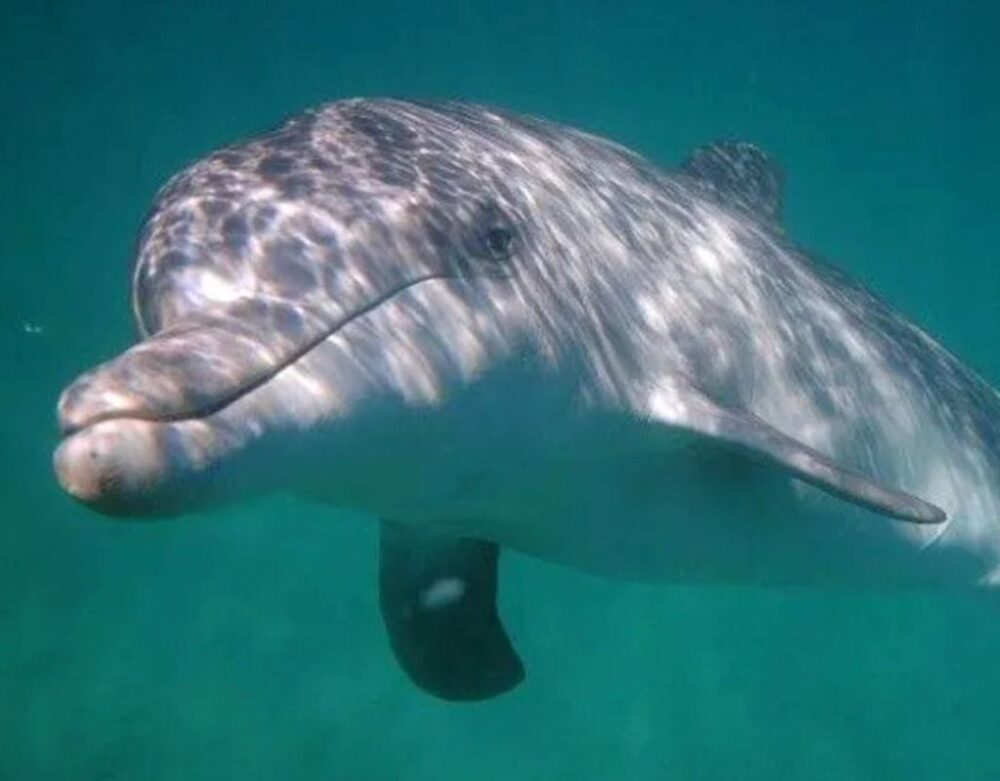
At Aqualand, you’ll enter a dolphinarium and get close to the dolphins under trainer supervision. They teach you how to interact, hold hands, or give shallow kisses—think of it as a structured, park-based encounter.
If you’d prefer something wilder, eco tours from ports like Los Cristianos or Los Gigantes offer “no-chase” boat cruises led by marine experts. They include a chance to swim in a small group with wild dolphins and whales in their natural habitat, using kayaks or snorkeling.
The cost
Aqualand Dolphin Encounter typically ranges from €100–150 per person, depending on season and extras like photos or private interactions.
Wild dolphin cruises and swims cost roughly €35–60, often combined with whale watching.
Why it’s ethical
If you’re aiming for ethical dolphin watching, wild encounters win hands-down compared to park-based swims. Tenerife’s dolphinaria, like Aqualand, keep dolphins in captivity—including around 11 dolphins in one park. Animal welfare groups have raised concerns over stress and unnatural conditions here.
By contrast, the wild swims let dolphins freely decide to interact. There’s no feeding, touching, or training involved. Your job is simply to float quietly and let the encounter unfold naturally .
🌟 Hot Tip: Pick tours advertised as “No-Chase Whale & Dolphin Cruises.” These trips really emphasize respectful wildlife viewing, and lifting time limits during rough seas or when dolphins aren’t present. For a park visit, never skip reading the fine print—know exactly what kind of interaction you’re booking and what limits they enforce on trainers and water time.

🐬 The Dolphins in Malta
The experience
Let’s get straight to the point—I don’t recommend swimming with dolphins at Marine Park Malta (also known as Mediterraneo Marine Park). Even though it’s one of the few places on the island offering dolphin swims, the dolphins are kept in captivity, and several animal welfare groups have raised serious concerns about the park’s conditions.
The pools are small, there’s little to no shade, and the water quality has been questioned. The dolphins are used for performances and tourist interactions daily, which is far from ideal for such intelligent, social animals.
Instead, if you’re in Malta and hoping for a magical dolphin experience, you’re better off heading out to sea. While swimming with wild dolphins here is not really done, there are responsible boat tours that offer dolphin and whale watching out on the Mediterranean.
The cost
Wildlife watching boat tours in Malta are usually much more affordable than captive experiences. A half-day trip with dolphin and whale spotting typically costs around €25–50, depending on the boat, season, and length of the tour.
Some tours include extras like swimming stops or snorkeling, though not with dolphins—the focus is on observing from a respectful distance.
Why it’s ethical
Choosing to observe wild dolphins from a boat is a much more ethical and responsible choice in Malta. While you might not get to swim with dolphins here, you’ll witness something far more genuine—dolphins acting naturally, without human interference.
🌟 Hot Tip: If seeing dolphins is a must during your Malta trip, look for boat tours that leave from Gozo or the north of the main island, especially early in the morning when the sea is calmest. Always choose smaller boats with good reviews, and skip any operator that guarantees sightings or promises interaction—wildlife doesn’t work on a schedule!

🐬 Sardinia – Kayak & Snorkel in the Gulf of Aranci
The experience
Head to northeast Sardinia—Gulf of Aranci is a hotspot. Eco-tours there are often led by marine biologists from groups like Progetto Natura. They take you kayaking and snorkeling over deep-blue waters, aiming for wild dolphins near fish farms.
You drift quietly, watchful, letting the animals decide whether to come close. It’s all about respecting their space and behaviors.
The cost
Expect to pay around €60–80, which covers kayak or small boat passage, snorkeling gear, and the guidance of experts. Some tours include a light snack or local aperitif on the boat.
Why it’s ethical
These tours focus entirely on wild dolphin encounters. They’re led by scientists familiar with dolphin patterns and committed to not disrupting their natural routines.
You won’t chase, feed, or touch any animals. Plus, your tour fee often helps fund ongoing research with groups like the Bottlenose Dolphin Research Institute—a real plus for conservation.
🌟 Hot Tip: Plan your tour in summer (July–September), when fish farm dolphin groups are most visible. Wear coral-friendly sunscreen and swim close to your kayak quietly—sudden moves can make dolphins retreat.
Can You Safely Swim with Dolphins?
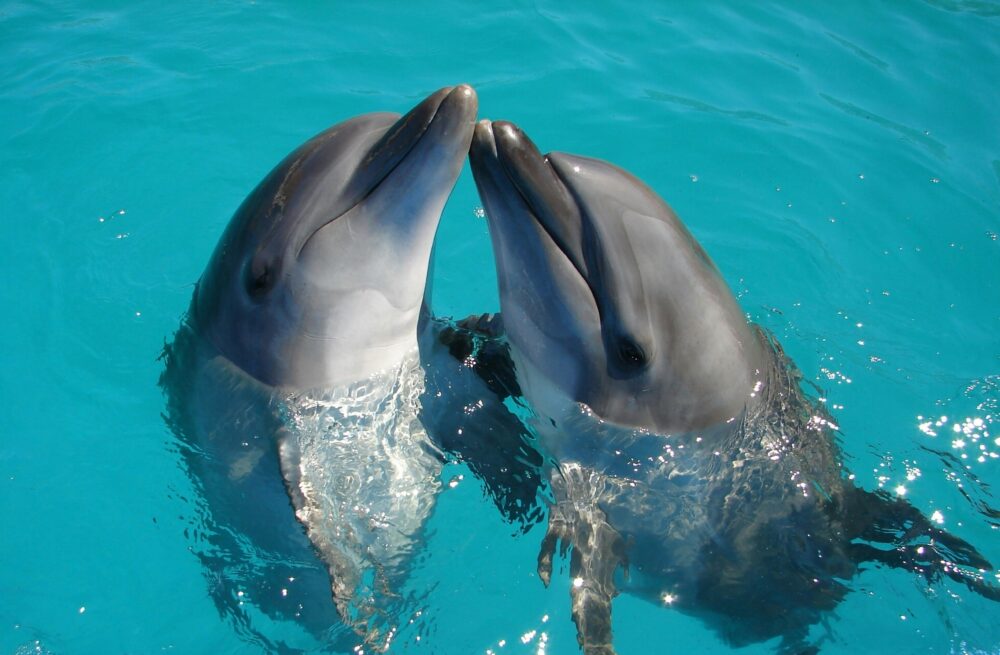
Yes, you can safely swim with dolphins—if it’s done responsibly. The key is to choose ethical operators who follow strict rules to protect both you and the dolphins.
Swims are usually limited to 20 minutes to avoid stressing the animals, and you should never chase, touch, or feed them. Instead, float calmly and let them come to you.
Only bring simple gear like a snorkel or waterproof camera (no selfie sticks), and always avoid loud splashing or sudden movements. These guidelines help keep the experience safe, respectful, and truly unforgettable—for everyone involved.
What Should You Not Do While Swimming with Dolphins?
When you’re in the water with dolphins, the number one rule is: don’t treat them like pets or performers. Never try to touch, chase, ride, or grab them—it’s stressful for the dolphins and dangerous for you.
Avoid making loud noises, sudden splashes, or quick movements that can scare them off. Feeding them is a big no—it changes their natural behavior and puts their health at risk.
And definitely don’t bring anything extra into the water like jewelry, bags, or sunscreen that isn’t reef-safe. The goal is to blend in, stay calm, and let the dolphins decide if they want to interact. The less you do, the better the experience—for both of you.
What to Wear While Swimming with Dolphins
When you’re gearing up for a dolphin swim, pick clothing that’s snug, simple, and sea-ready. A one-piece swimsuit or snug swim shorts are best—anything loose might shift or come off during interactions.
In cooler waters, you often get a wetsuit and life jacket, so don’t stress about bringing your own.
Cover your skin with reef-safe sunscreen (look for titanium or zinc-based SPF) and wear a hat and sunglasses to cut glare and stay protected. If you’ll be walking around the boat or shore, non-slip water shoes are a smart choice.
Keep accessories minimal—no jewelry, flip-flops, or extra stuff in the water—and bring a light cover-up or jacket for boat rides, since sea breezes can be chilly
How Old Should Children Be to Swim with Dolphins?
Most respected dolphin swim and wild-dolphin tours set the minimum age between 6 and 8 years old. For example, many wild dolphin experiences in Europe require children to be at least 8 and often insist that those under 12 are accompanied by an adult swimmer.
Even in captive settings outside Europe, children as young as 6 can participate—but only with a paying adult and life vest provided. If your child is younger than the minimum, don’t worry—they can often join as spectators on the boat.
Always check with the specific tour operator before booking.
When Am I Most Likely to See Dolphins?
The best time to see dolphins in Europe is usually between May and September, when the seas are calm and dolphin activity is at its peak. In the Azores and Madeira, spring and summer offer the highest chances, especially May, June, and September.
Around the Mediterranean—including Greece, Malta, and Sicily—summer months bring warmer waters and more sightings of common and bottlenose dolphins.
For the best experience, book your trip during late spring to early fall, and aim for morning tours when the sea is quiet and dolphins are most active.
The Wrap-Up: Swimming with Dolphins in Europe
Swimming with dolphins in Europe can be incredible—but only when it’s done in a way that respects the wild and doesn’t come at the animals’ expense. When you choose experiences that let dolphins stay free and behave naturally, the connection feels more real—and a lot more meaningful. That’s the kind of travel memory that sticks with you.
Check out these related posts:



 Raised as a third culture kid living in South America and Europe, Annick caught the travel bug early. As an empty-nester, Annick enjoys sharing her tips for traveling for those with champagne taste and beer budgets.