
We may earn money or products from the companies mentioned in this post.
Let’s be honest — La Paz, Bolivia, probably wasn’t the first city that popped into your head when you started planning your South America adventure. Maybe you were thinking Buenos Aires, or Rio, or Cusco. But here’s the thing: La Paz has a way of ambushing you. You arrive slightly dizzy from the altitude, a little confused by the chaos, and somehow, within 48 hours, you’re completely obsessed with the place. It happens to almost everyone.
Sitting at over 3,600 meters above sea level, La Paz is the highest capital city in the world — a fact locals are very proud of and will remind you of often. It’s loud, colorful, a little overwhelming, and absolutely packed with things to see, do, eat, and experience. Whether you’re a first-time visitor or a seasoned Latin America traveler, this city will throw things at you that you genuinely didn’t expect.
This guide covers the best things to do in and around La Paz, from wandering the bustling streets of the city center to hurtling down the Death Road on a bicycle with your heart somewhere in your throat. Let’s get into it.

First Things First: Altitude Sickness Is Real, Respect It
Before we dive into everything fun, let’s talk about altitude sickness, because ignoring it is a rookie mistake that will ruin your first couple of days. When you land in El Alto — the sprawling city above La Paz where the airport is located — you are already sitting at around 4,000 meters. That’s not a joke. Your body needs time to figure out what’s going on.
Symptoms of altitude sickness include headaches, nausea, dizziness, shortness of breath, and a general feeling that you might be dying (you’re probably not). The best way to handle it is simple: take it slow. Don’t go sprinting up stairs. Don’t immediately book the most physically demanding excursion on your list. Give yourself a day or two to acclimatize before you do anything strenuous.
Drink loads of water, go easy on the alcohol (yes, even the excellent Bolivian beer), and seriously consider chewing coca leaves or drinking coca tea. It’s legal in Bolivia, it’s traditional, and it genuinely helps with altitude sickness. You’ll find coca tea at pretty much every hotel and café in the city. The locals have been using it for centuries — take the hint.
If your symptoms are severe or don’t improve, altitude sickness can become dangerous, so don’t tough it out unnecessarily. Descending to a lower elevation is the most effective cure if things get bad.

Getting Around La Paz: Mi Teleférico and the Cable Cars
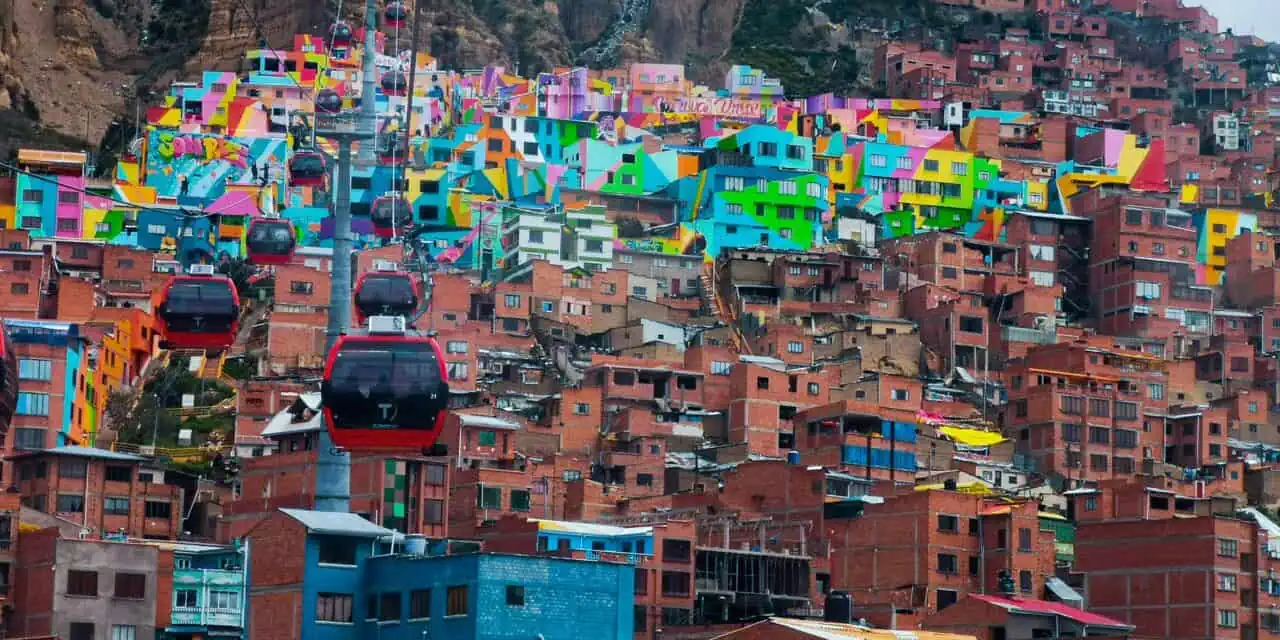
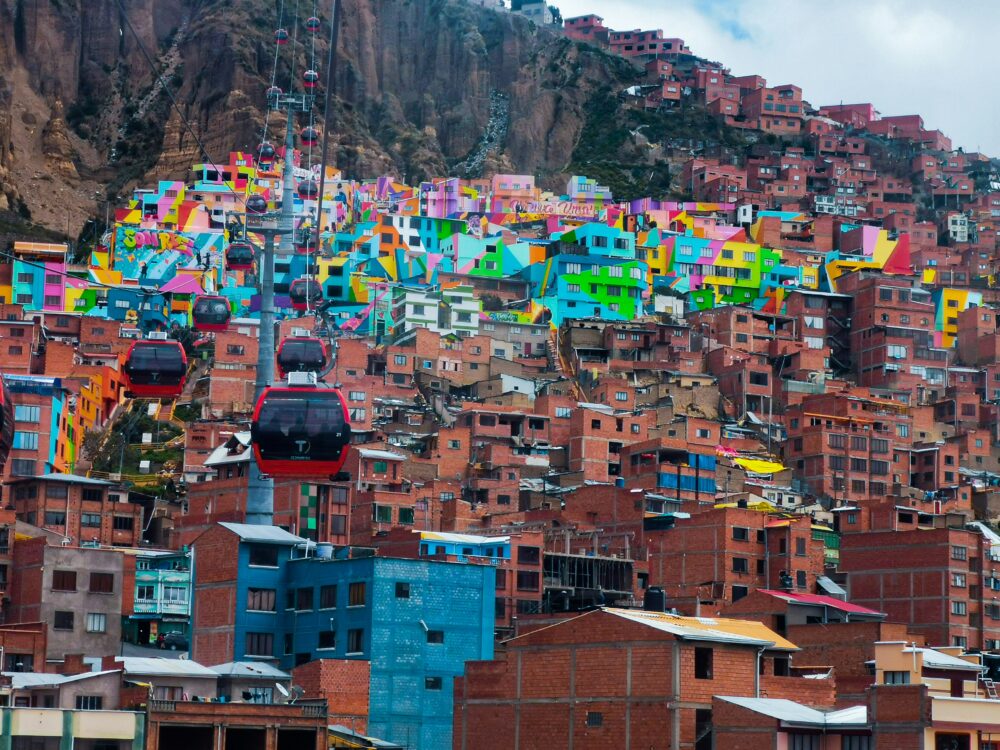
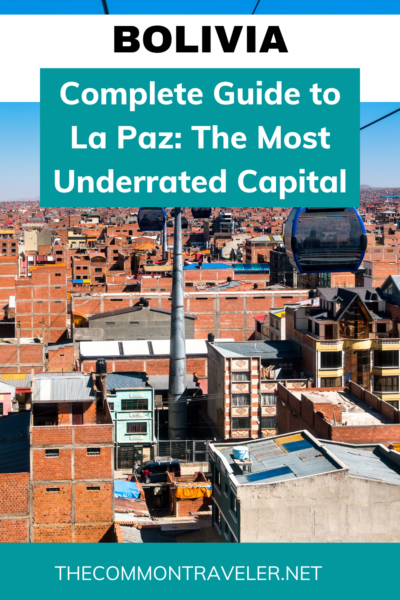
Once you’ve got your sea legs — or rather, your sky legs — it’s time to explore. And the best way to get your bearings in La Paz is to ride Mi Teleférico, the cable car system that connects different parts of the city and El Alto above it.
Mi Teleférico is genuinely one of the coolest public transport systems in the world. It’s not just a tourist gimmick — locals use it every single day to get to work, run errands, and move between neighborhoods. The cable cars stretch across the city in different lines, each color-coded and connecting different areas. The Yellow Line runs between El Alto and the city below, while other lines fan out across the urban sprawl in every direction.
Riding Mi Teleférico gives you some of the best views in the city. You float above the rooftops, the markets, the colonial buildings, and the chaos below, with the snow-capped peaks of the Cordillera Real looming in the background on a clear day. It costs almost nothing, it’s efficient, and it’s one of those experiences that sneaks up on you as genuinely spectacular. Set aside a couple of hours to ride multiple lines just for the experience — you won’t regret it.
What to See in La Paz
The City Center: Plaza Murillo and the Old Heart of La Paz
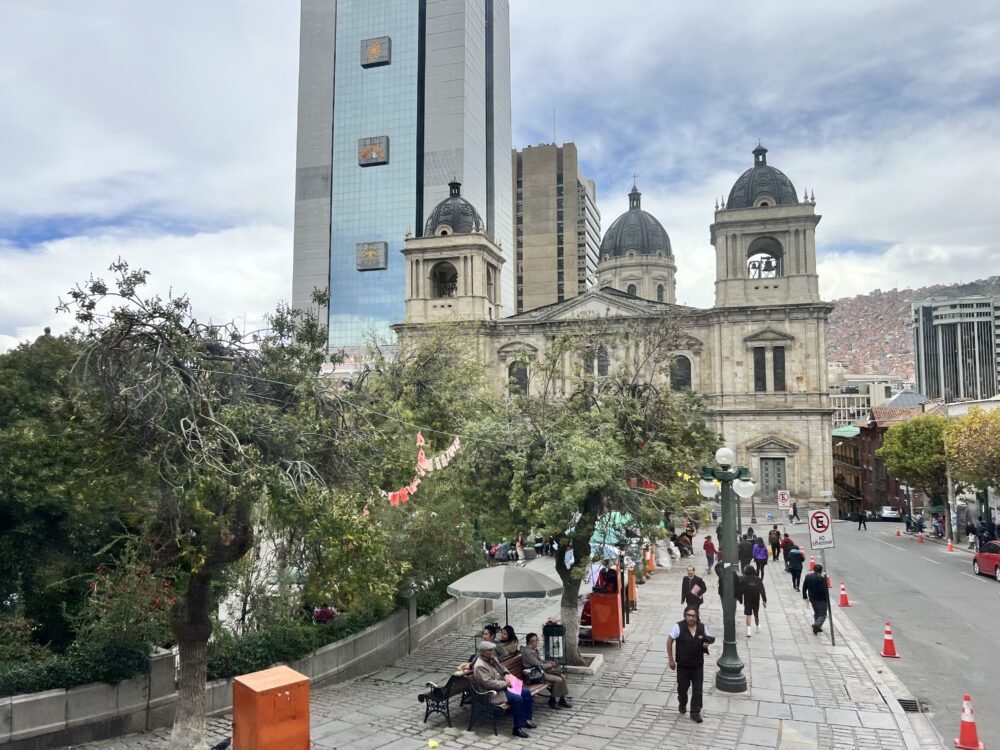
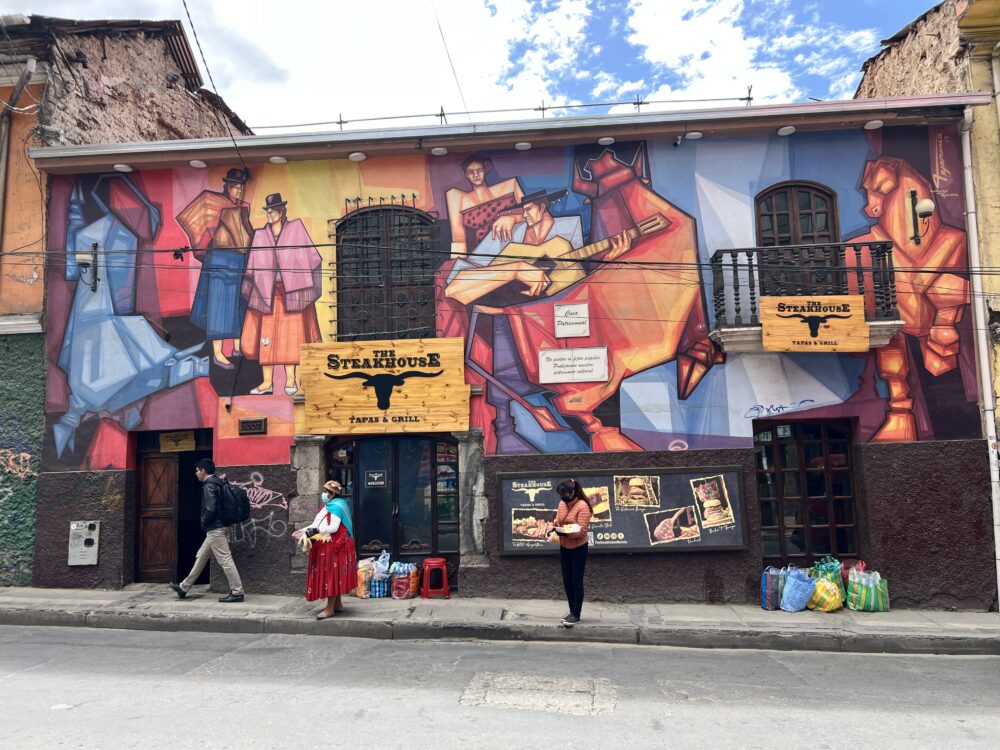
Start your exploration in the city center, around Plaza Murillo. This is the historic and political heart of La Paz, and it looks exactly like a grand South American plaza should — all pigeons, colonial architecture, government buildings, and the occasional protest.
The Presidential Palace — also known as the Palacio Quemado, or “Burned Palace,” because it was famously set on fire during a revolt in 1875 — sits right on Plaza Murillo. The government palace has had quite the dramatic history, and even if you can’t go inside, standing in front of it and knowing that feels appropriately cinematic. The National Congress is also on the square, along with a cathedral that’s worth a few minutes of your time.
Wander around the main square and you’ll start to get a feel for the local culture — street vendors selling everything from newspapers to snacks, indigenous women in traditional clothing going about their daily business, tourists with slightly glazed looks who just arrived from the airport. It’s a great place to sit, people-watch, and sip a coffee while your brain catches up with the altitude.
San Francisco Church and Calle Sagarnaga
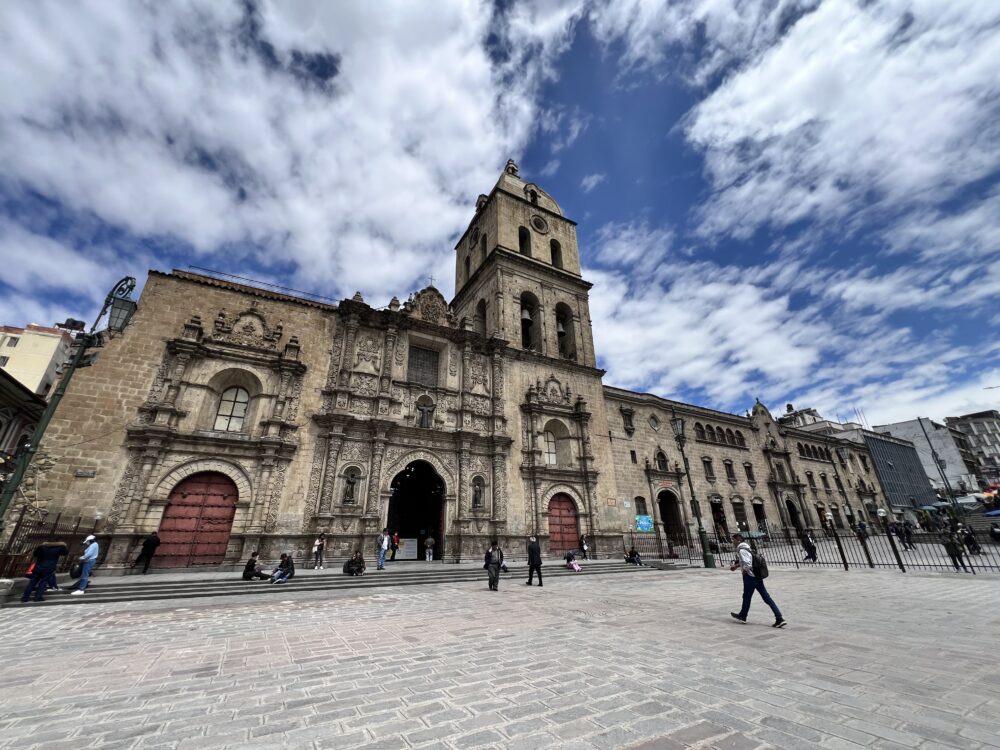
A short walk from Plaza Murillo, the Basilica of San Francisco is one of La Paz’s most iconic landmarks. The San Francisco Church was built in the 18th century and blends Spanish baroque architecture with indigenous Andean design — a mix called “mestizo baroque” — and the detail on the facade is extraordinary if you stop to look at it properly rather than just snapping a photo and moving on.
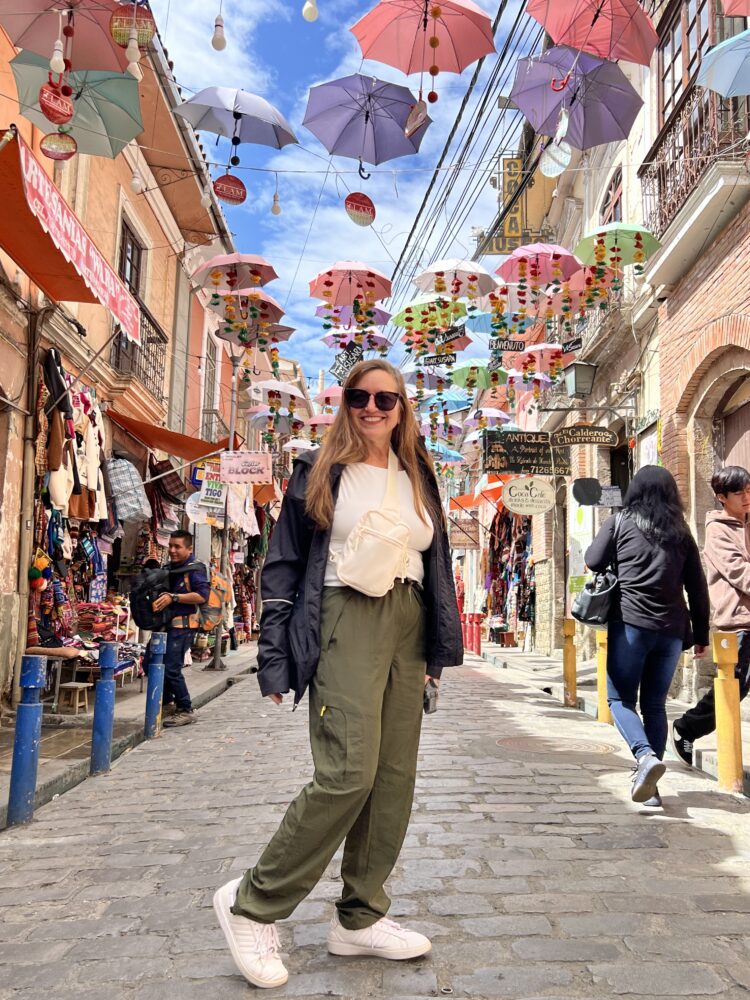
Behind the San Francisco Church, Calle Sagarnaga kicks off. This is the main tourist street, packed with craft shops, travel agencies, restaurants, and hostels. It’s touristy, yes, but it’s also genuinely fun to wander. The shops spill out onto the bustling streets, vendors call out to you, and the whole strip has an energy that’s hard to resist. Pick up some locally made textiles, alpaca wool products, or silver jewelry. It’s a great spot for souvenirs that are actually good.
PRO TIP: I stayed in Hotel Sagarnaga which was ideally located for all the sights.
The Witches’ Market: One of the Most Fascinating Places You’ll Ever Visit
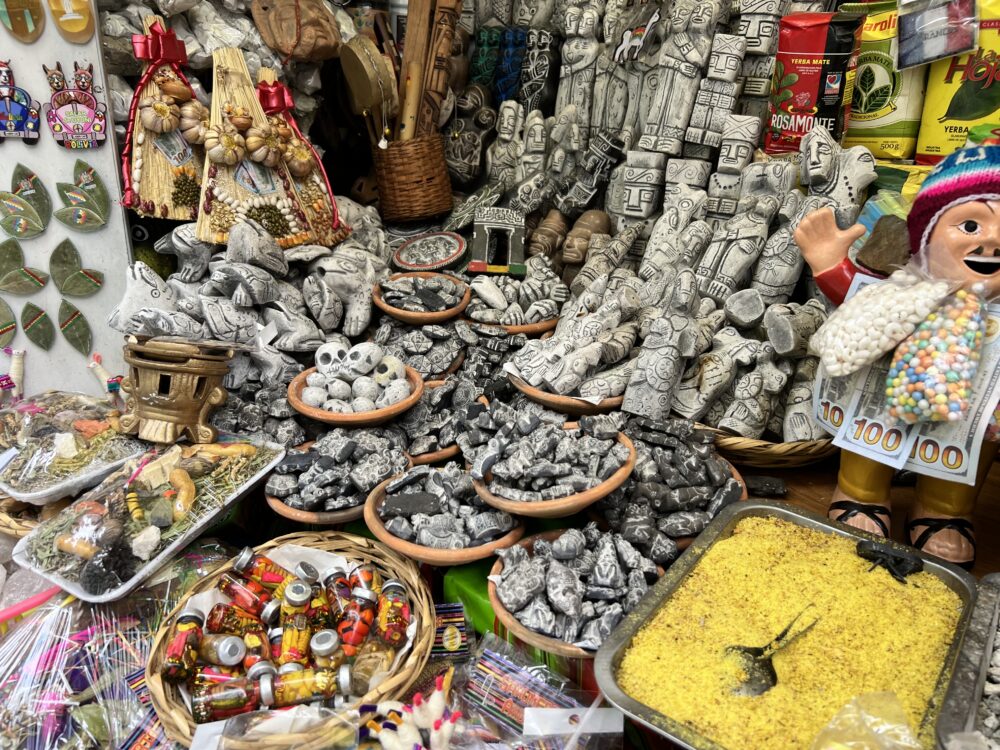
If there’s one place in La Paz that absolutely earns its reputation as unique, it’s El Mercado de las Brujas — the Witches’ Market. It’s tucked into a couple of narrow streets near Calle Sagarnaga, and it is exactly as wonderfully strange as it sounds.
The Witches’ Market is where you come to buy supplies for traditional Andean spiritual rituals. And the range of things for sale is… educational. You’ll find dried herbs, potions, charms, amulets, and talismans for various kinds of good fortune. There are incense bundles, figurines, and little packages designed to bring good luck in love, business, or life in general.
And then there are the llama fetuses.
Yes. Llama fetuses. Dried ones, hanging from stalls in rows. They’re used in traditional Andean rituals — particularly in offerings to Pachamama (Mother Earth). When Bolivians build a new house, it’s common practice to bury a llama fetus beneath the foundations for good luck and protection. It sounds bizarre if you’re coming from a different cultural context, but it makes complete sense within the Andean spiritual worldview, and the Witches’ Market is a genuinely fascinating window into local culture that you won’t find anywhere else.
The indigenous women who run the stalls — many of them dressed in traditional clothing with their characteristic bowler hats — are the real experts here. If you’re curious about what something is for, ask (politely). Many will explain, and getting that closer look at the belief systems behind the products is far more interesting than just photographing things and moving on.
Calle Jaén: History in a Small Street
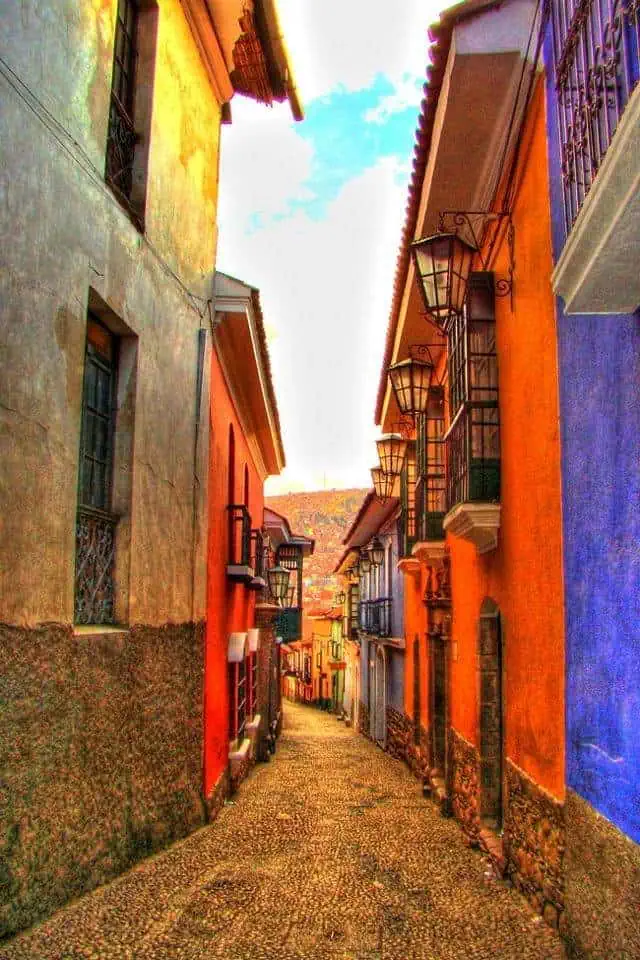
If you want a quieter, more contemplative taste of La Paz’s rich history, head to Calle Jaén. This is one of the best-preserved colonial streets in the city — cobblestoned, narrow, flanked by low whitewashed buildings with colorful doors, and surprisingly peaceful given how chaotic the city is elsewhere.
Calle Jaén is home to several small museums, including the Casa de Murillo (dedicated to the revolutionary hero Pedro Domingo Murillo), the Museo de Metales Preciosos (pre-Columbian gold, silver, and copper artifacts — genuinely stunning), and a few other collections that give you a solid grounding in Bolivian history and culture. None of them are enormous, but they punch above their weight.
Calle Jaén also has a lovely atmosphere for just walking slowly and appreciating what La Paz looked like a few centuries ago. It feels a world away from the bustle outside, and it’s one of those spots that gets overlooked because it doesn’t have the spectacle of the Witches’ Market or the drama of the Death Road. Go anyway. You’ll love it.
Street Food in La Paz: Eat Everything
Here’s a rule for La Paz: eat the street food. Eat all of it.
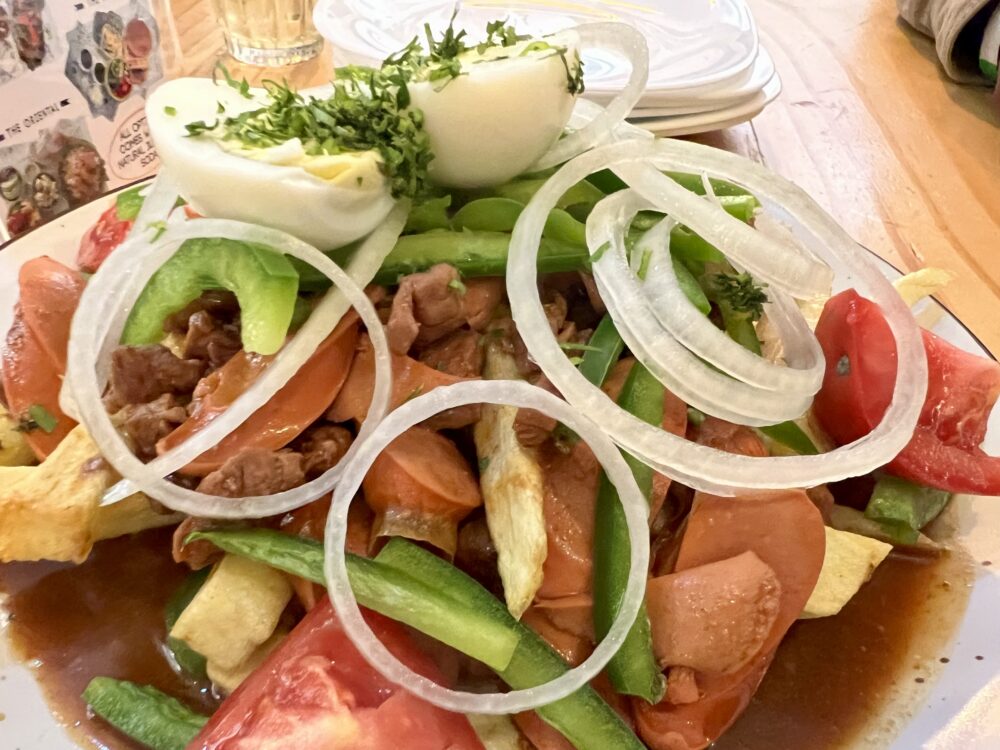
The street food scene in La Paz is one of the great underappreciated joys of traveling in Bolivia. Indigenous women and street vendors set up on bustling streets throughout the day and evening, and the food is cheap, filling, and delicious in ways that no sit-down restaurant can quite replicate.
Try a salteña — the Bolivian version of an empanada, baked rather than fried, and filled with a juicy, slightly spicy stew of meat, vegetables, and olives. They’re usually a morning food, so look for the salteña ladies early. Try api — a warm, sweet, purple corn drink that’s perfect for cold, high-altitude mornings. Try tucumanas, anticuchos (skewered beef heart, don’t be scared), and the various soups served from steaming pots on street corners.
The local markets are also brilliant for food. The Mercado Lanza, near the city center, is one of the best places for a proper Bolivian almuerzo (set lunch) at a fraction of restaurant prices. Sit down at one of the market stalls, order whatever the señora is serving, and eat like a local. This is local culture at its most honest and delicious, and it’s one of those experiences that stays with you.
Best Restaurants for When You Want a Sit-Down Meal
For nights when you want to sit down properly, La Paz has a solid and growing restaurant scene. Zona Sur — the upscale southern neighborhood — has some of the best restaurants in the city, offering everything from modern Bolivian cuisine to international food. It’s worth the trip down, even though it’s quite different in feel from the historic downtown La Paz streets.
In recent years, La Paz has seen a real food revolution, with young Bolivian chefs pushing traditional ingredients in exciting directions. Look for restaurants that highlight quinoa, chuño (freeze-dried potato), and other Andean staples in creative ways. The best restaurants in La Paz aren’t just good by Bolivian standards — they’re genuinely excellent by any measure.
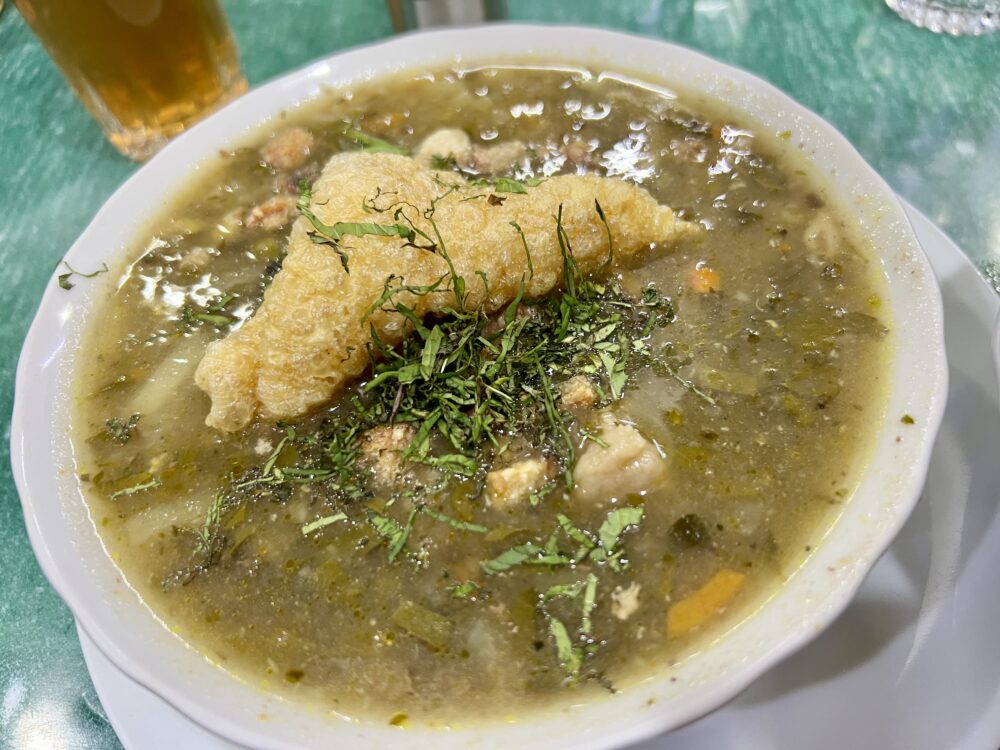
If you’re on a budget, local restaurants serving set lunches (usually a soup course followed by a main) for a couple of dollars are everywhere and universally good.
Best Views: Mirador Killi Killi and Beyond
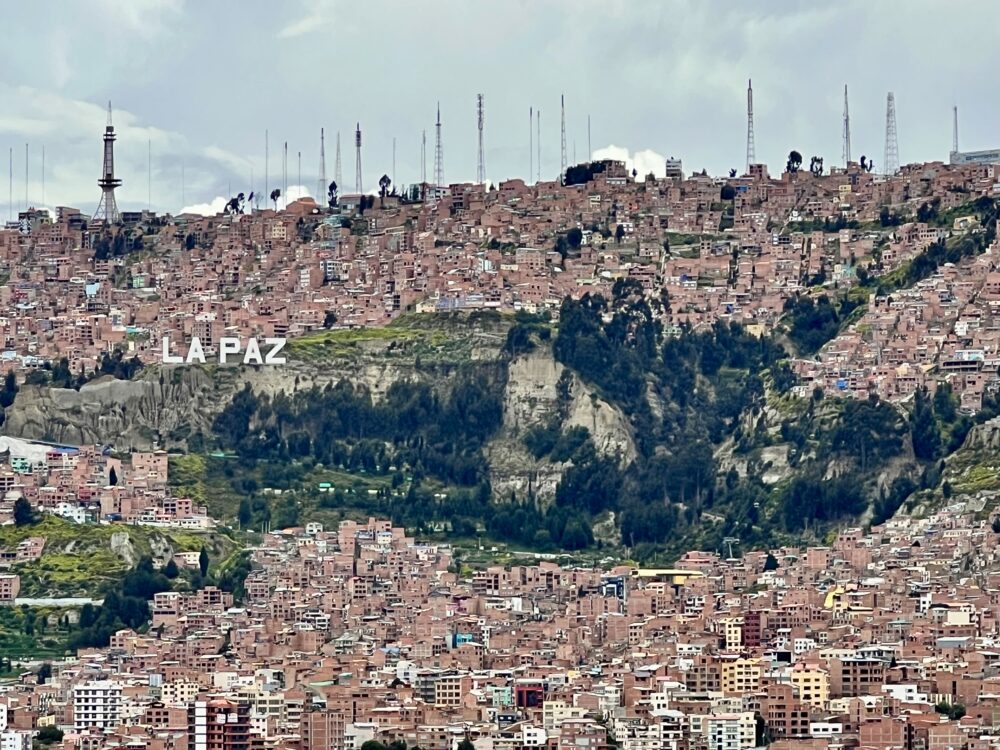
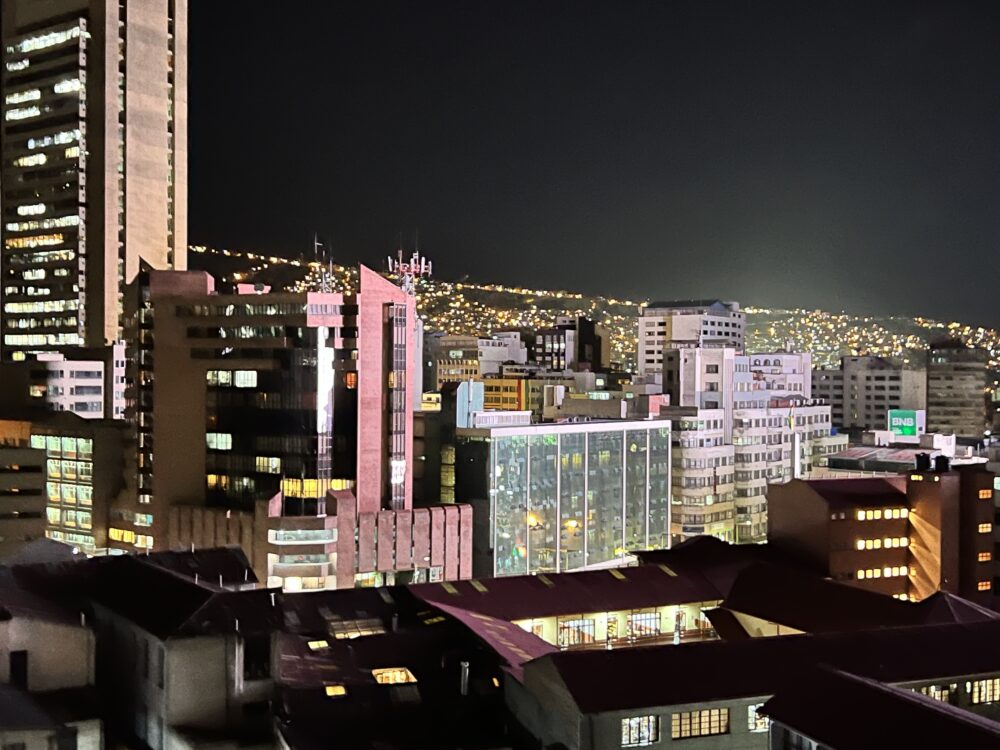
For panoramic views over the city, Mirador Killi Killi is one of the best places to go, especially at sunset or in the early morning when the light is golden and the Cordillera Real is clear in the distance. The mirador is easily reachable on foot from the city center, and the view of La Paz spreading across its dramatic bowl-shaped valley, with El Alto stretching out above on the plateau, is genuinely breathtaking.
Mirador Killi Killi gives you that perspective you need to understand La Paz geographically — how it sits in a canyon carved into the high plateau, how El Alto looms above it, how the mountains frame everything. On a clear day, you can see snow-capped peaks that will make your jaw drop. It’s one of the best views in the world that doesn’t get nearly enough Instagram attention.
The cable cars of Mi Teleférico also offer spectacular views across the city — you’re essentially riding a slow-moving aerial observation deck for the price of a bus fare.
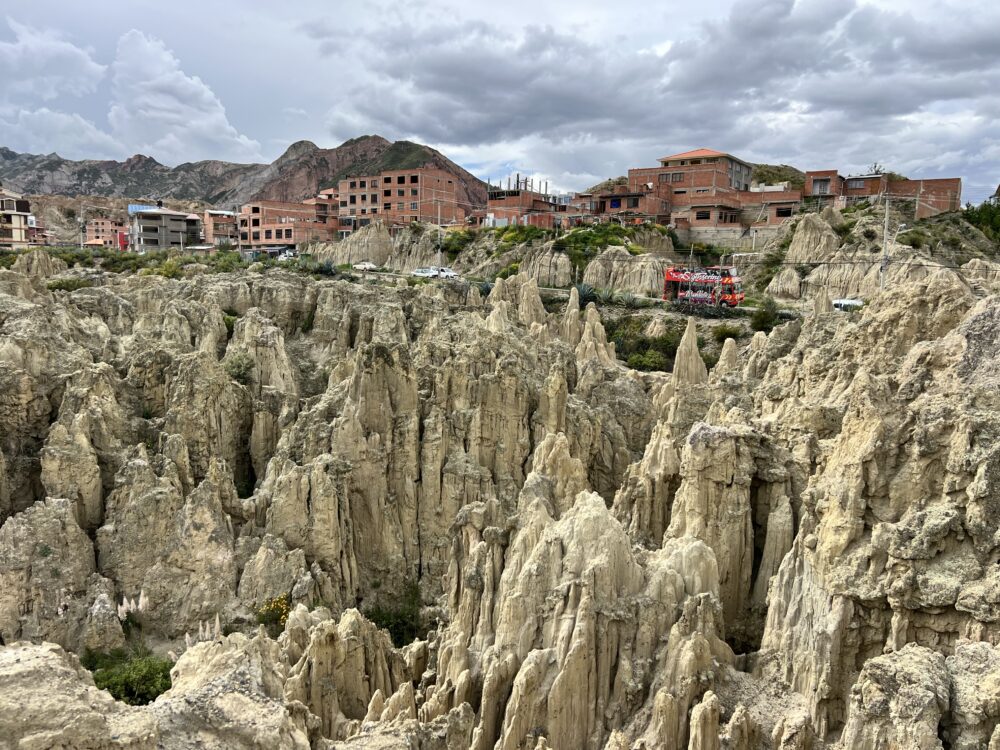
Valle de la Luna: Moon Valley on the City’s Doorstep
Just about 10 kilometers from the city center, Valle de la Luna — Valley of the Moon — is one of those places that makes you feel like you’ve been transported to another planet. The Moon Valley gets its name from its genuinely lunar landscape: bizarre clay and sandstone spires, canyons, and rock formations sculpted by erosion into shapes that shouldn’t be possible in real life.
Valle de la Luna is an easy day trip or even a half-day excursion from La Paz. You can get there by public transport or take a taxi, and the entrance is cheap. Walking through the rock formations at Valle de la Luna in the afternoon light, when everything goes orange and purple and strange, is a genuinely unique experience that requires almost no effort to organize. Don’t skip it.
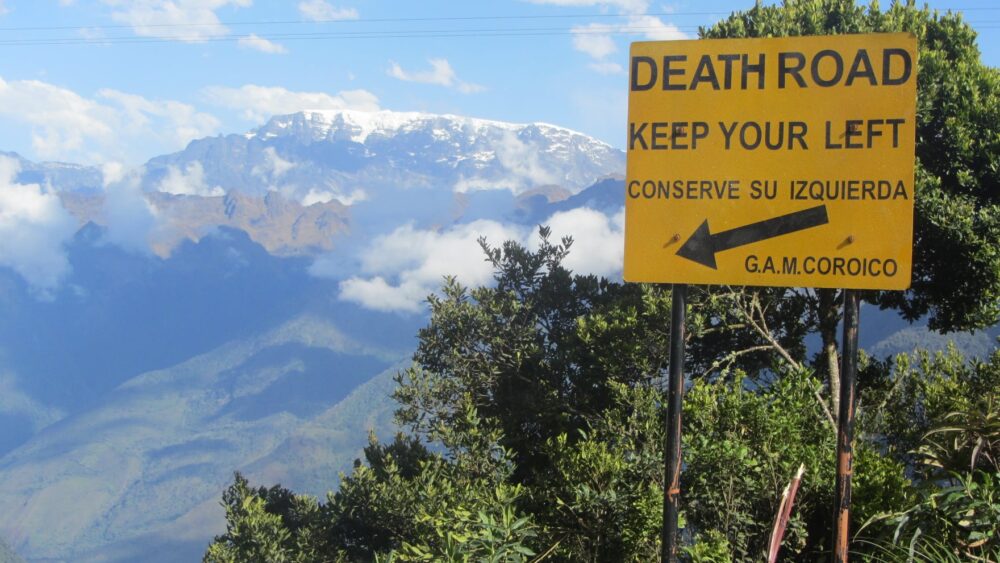
Death Road: For the Brave, the Foolish, and Everyone in Between
Right. Let’s talk about the Death Road.
The World’s Most Dangerous Road — officially the Yungas Road, but nobody calls it that — is a 64-kilometer stretch of mountain road that descends from the high altitude Andes into the subtropical jungle below, dropping over 3,500 meters in elevation. In the 1990s, it was estimated that up to 300 people died on this road every year, making it one of the most dangerous roads on earth.
These days, most traffic uses a safer alternative route, and the Death Road has become one of the best-known adventure tourist activities in all of South America. Dozens of companies offer guided mountain biking tours down the Death Road from La Paz, and despite its terrifying name, it’s actually manageable for most reasonably fit people with a decent sense of self-preservation.
The World’s Most Dangerous Road descent is spectacular — you bike through cloud forest, past waterfalls, with sheer cliff drops inches from your wheels. The views are extraordinary. Yes, accidents do still happen occasionally, so choose a reputable company with good equipment and don’t be macho about it. But Death Road is genuinely one of the great adventure experiences in Latin America, and most people who do it describe it as one of the highlights of their entire trip.
PRO TIP: Allow your body to adjust to the altitude before you attempt to bike the Death Road.
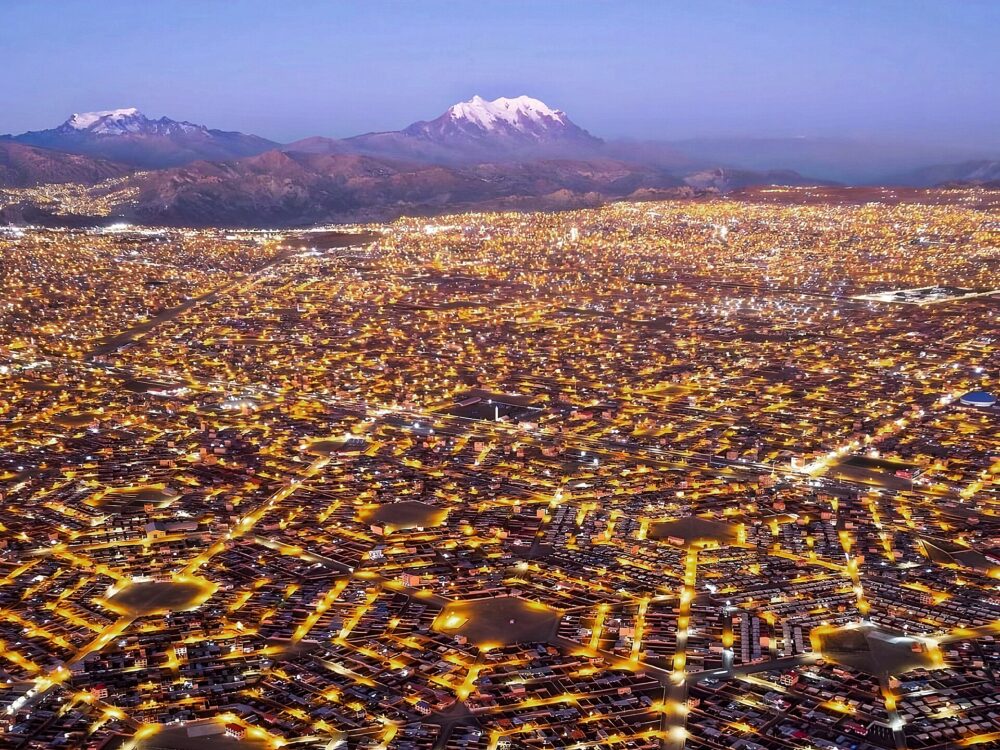
El Alto: Don’t Just Pass Through
Most visitors to La Paz arrive at the airport in El Alto and then immediately descend into the city below. That’s a shame, because El Alto is worth spending some time in.
El Alto sits on the altiplano at around 4,000 meters — one of the highest cities in the world — and it has a character entirely distinct from the city below. El Alto is predominantly indigenous Aymara, and the local culture here is intensely vibrant. The enormous Feria 16 de Julio market in El Alto, held on Thursdays and Sundays, is one of the largest outdoor markets in South America, where you can buy absolutely anything, from fruit to machinery parts to traditional Andean clothing.
El Alto also has a fascinating architectural identity — the “cholet” buildings designed by Bolivian architect Freddy Mamani Silvestre have become famous internationally. These are enormous, wildly colorful, multi-story buildings that combine Andean design motifs with a sort of maximalist celebration of new Aymara prosperity. They’re impossible to miss and genuinely unlike anything you’ll see anywhere else.
Ride Mi Teleférico up to El Alto and spend a morning exploring before coming back down. It’s one of the most authentic local culture experiences you can have.
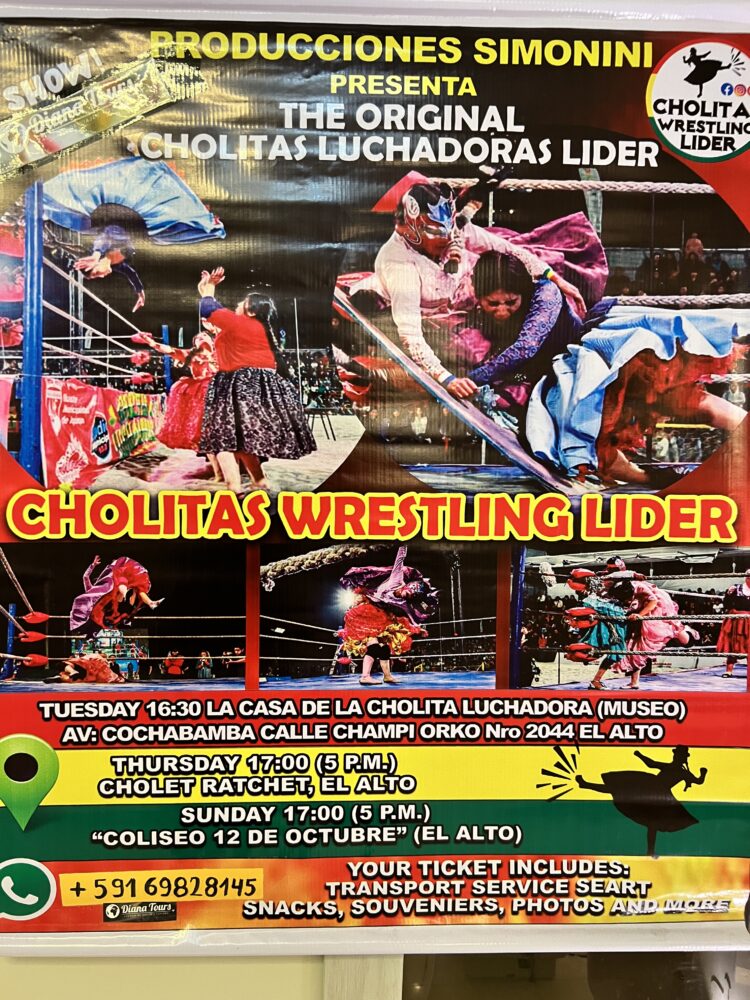
Cholitas Wrestling: Absolutely, Yes, Go
If you want a unique experience that combines spectacle, sport, culture, and sheer entertainment, cholitas wrestling is your answer. Indigenous women in traditional clothing — the full regalia of pollera skirts, bowler hats, and elaborate braids — wrestle each other (and their male opponents) in theatrical bouts that are equal parts lucha libre and pure performance art.
Cholitas wrestling takes place in El Alto on Sundays, and attending is one of those things that sounds like a tourist gimmick but turns out to be genuinely incredible. The women are athletic, the crowd is enthusiastic, the drama is operatic. It’s a great place to be, and it’s become one of the most talked-about tourist attractions in Bolivia for very good reason.
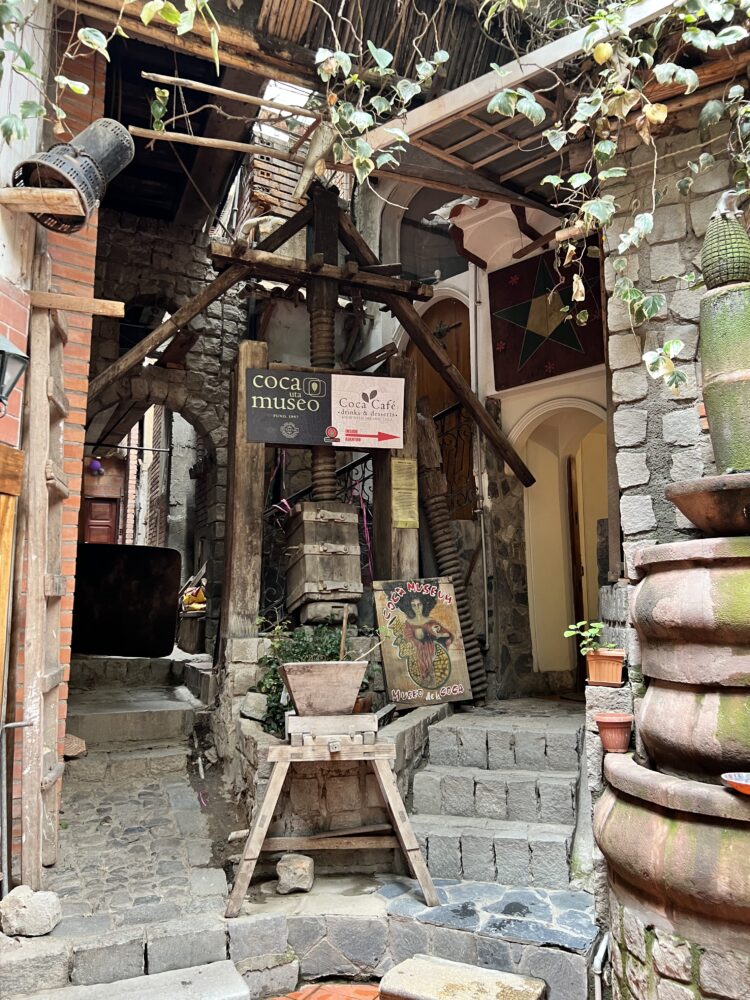
The Coca Museum: More Interesting Than It Sounds
Near Calle Sagarnaga, the Coca Museum is a small but genuinely informative museum dedicated to the coca plant — its history, its cultural significance, its uses in Andean tradition, and its complicated modern politics. Given how central coca is to Bolivian and Andean life, understanding it properly adds real depth to your experience of the country.
The museum covers everything from ancient archaeological evidence of coca use to the story of how cocaine was developed from the plant, and how that history has shaped Bolivia’s relationship with the rest of the world. It’s interesting, well-presented, and an easy extra stop if you’re already in the area.
PRO TIP: There’s a Coca Cafe right next to the Coca Museum – so you can try a variety of drinks made from the plant.
Day Trips From La Paz, Bolivia
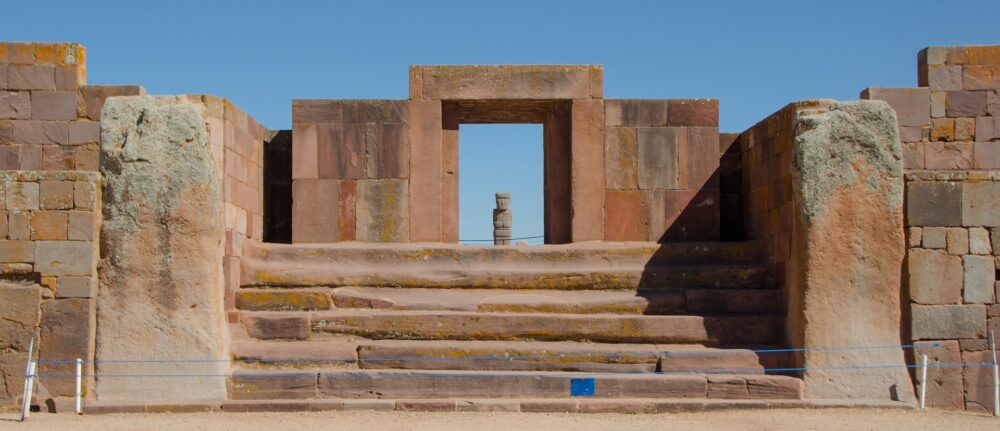
Tiwanaku and the Archaeological Sites
About 70 kilometers west of La Paz, the archaeological site of Tiwanaku is one of the most important archaeological sites in South America and a UNESCO World Heritage Site. Tiwanaku was the center of a pre-Columbian empire that dominated the Andean region for centuries before the Incas rose to power, and what remains is genuinely impressive.
The archaeological sites include massive stone gateways (the famous Gate of the Sun), ceremonial platforms, and monolithic statues that demonstrate extraordinary engineering skill. There’s a good on-site museum that puts everything in context. Tiwanaku is absolutely worth a day trip from La Paz — you can get there by public transport or organized tour, and combining it with a stop at the shores of Lake Titicaca on the return makes for a full and rewarding day.
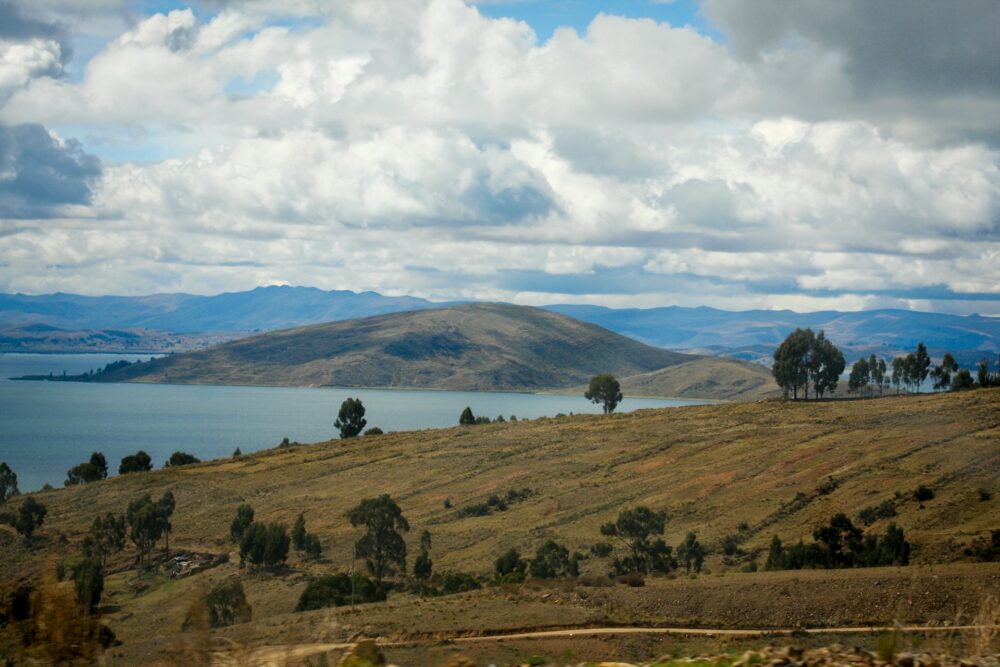
Lake Titicaca: The Crown Jewel
No visit to La Paz is complete without making the journey to Lake Titicaca, about three to four hours from the city. Lake Titicaca sits at over 3,800 meters — the highest navigable lake in the world — and it is staggeringly beautiful. The water is an almost impossibly deep blue, the sky above is enormous, and the surrounding altiplano stretches out in every direction.
Lake Titicaca is sacred in Andean cosmology — the Incas believed it was the birthplace of the sun and their civilization — and that spiritual significance is still very much felt when you’re there. The main Bolivian gateway town is Copacabana (not the Brazilian beach — the original Copacabana), from where you can take boats to the Isla del Sol and Isla de la Luna, two islands with ruins and extraordinary views.
Lake Titicaca can be done as a two-day trip from La Paz, which gives you time to actually absorb the place rather than rushing through it. It’s one of the best places in Bolivia, full stop.
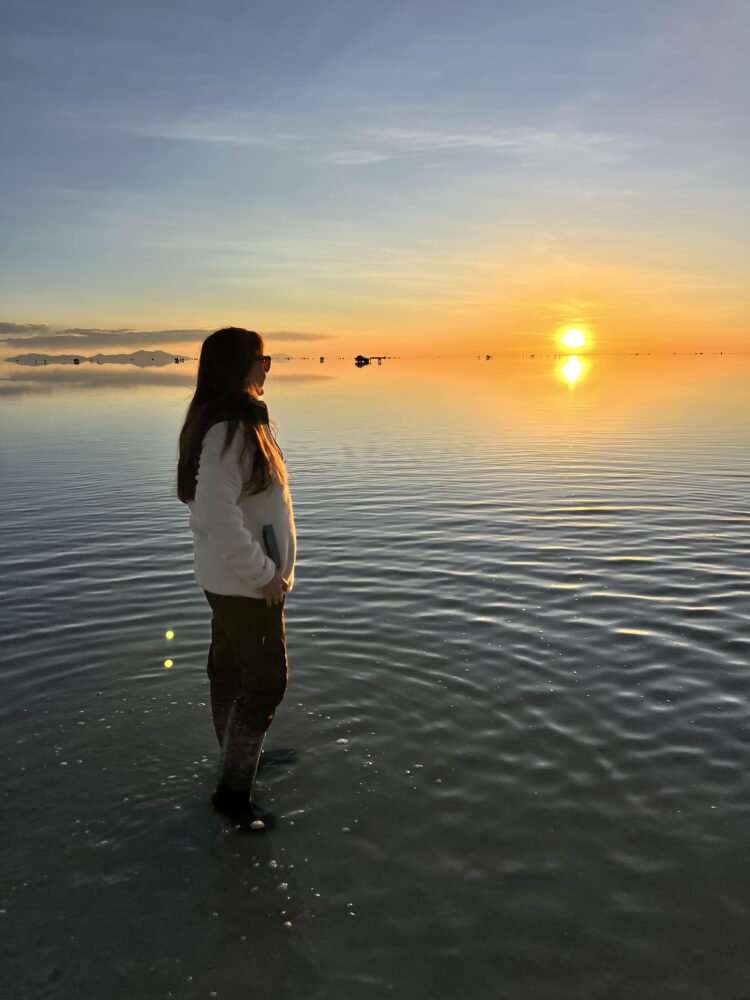
Salar de Uyuni: The Big One
If you have a few extra days, the Salar de Uyuni is non-negotiable. The Salar de Uyuni is the world’s largest salt flat — a blinding white expanse covering over 10,000 square kilometers at high altitude on the Bolivian altiplano. It is, without exaggeration, one of the most extraordinary places on earth.
The Salar de Uyuni is typically reached by flying or busing to Uyuni town from La Paz (or from Santa Cruz if you’re coming from the east). Three-day tours from Uyuni take you across the salt flats, past geysers, flamingo-filled lagoons, and volcanic landscapes to the border with Chile. The Salar de Uyuni is a UNESCO World Heritage Site and one of the great natural wonders of South America — if you’re already in La Paz, not making the effort to get to Salar de Uyuni would be like going to Egypt and skipping the pyramids.
Dawn on the Salar de Uyuni, when the sky reflects perfectly in the thin film of water on the salt surface and the world becomes a mirror, is the kind of thing you will remember for the rest of your life.
A Note on Safety: Fake Police Officers and Good Sense
La Paz is, by and large, a safe city for travelers, but it has its specific risks. One of the most notorious is the fake police officers scam — people approach tourists on the street claiming to be plainclothes police officers, then use the encounter to rob you. Real police officers in Bolivia do not stop tourists on the street and ask to check their documents or wallets. If this happens to you, do not comply. Walk away or go into the nearest shop or restaurant.
Taxi drivers are another area where a bit of caution pays off. Use radio taxis or app-based services rather than flagging down random cabs, particularly at night.
Beyond these specifics, the usual rules apply: don’t flash expensive gear, be aware of your surroundings in crowded local markets, and trust your instincts.
Free Walking Tour: The Best First Day Activity
If you want to get oriented quickly, a free walking tour is one of the best things you can do on your first full day in La Paz. Several companies operate free (tip-based) walking tours that take you through the city center, past Plaza Murillo, to the San Francisco Church, through the Witches’ Market, and along Calle Jaén. A local guide brings context to everything you’re seeing, tells you the stories behind the buildings and neighborhoods, and helps you understand the local culture in ways that wandering alone can’t quite replicate.
The tours usually last two to three hours, they’re run by young local guides who are invariably passionate about their city, and they’re genuinely excellent value. Do this first. It’ll make everything else you do in La Paz more meaningful.
Best Time to Visit La Paz
The best time to visit La Paz is during the dry season, which runs roughly from May to October. This is when you’re most likely to get clear skies, which matters enormously because the views of the Cordillera Real from the city are one of the great pleasures of being here — and those views only exist when it’s not raining and foggy.
June and July are particularly good months — cool, dry, and with long daylight hours. The wet season (November to March) brings daily afternoon showers and can make some excursions more difficult, though it’s also when the Salar de Uyuni transforms into that magical mirror surface. So there are trade-offs either way.
La Paz: A City That Gets Under Your Skin
The city of La Paz defies easy description. It’s chaotic and beautiful, ancient and modern, indigenous and cosmopolitan, overwhelming and deeply welcoming. The bustling streets, the vibrant markets, the traditional clothing of indigenous women going about their day, the improbable cable cars floating above everything, the mountains watching from every angle — it all adds up to something that is genuinely unlike anywhere else in the world.
Come with patience, come with curiosity, give your body time to adjust to the high altitude, eat everything, talk to people, ride the cable cars, go to the Witches’ Market, stand on Mirador Killi Killi at sunset, and watch the city light up below you. La Paz will give you more than you bargained for. It always does.
Check out these related posts:
Happy travels,
Annick, The Common Traveler
Save this Guide to La Paz, Bolivia for later – pin and share it!


 Raised as a third culture kid living in South America and Europe, Annick caught the travel bug early. As an empty-nester, Annick enjoys sharing her tips for traveling for those with champagne taste and beer budgets.