
We may earn money or products from the companies mentioned in this post.
So you’ve decided to visit one of the most otherworldly places on the planet. Good call. San Pedro de Atacama is the kind of destination that shows up on your screen once during a late-night travel browsing session and never really leaves your brain. You start planning. Then you plan some more. Then you wonder if it’s actually worth the journey to get there. Spoiler: it absolutely is.
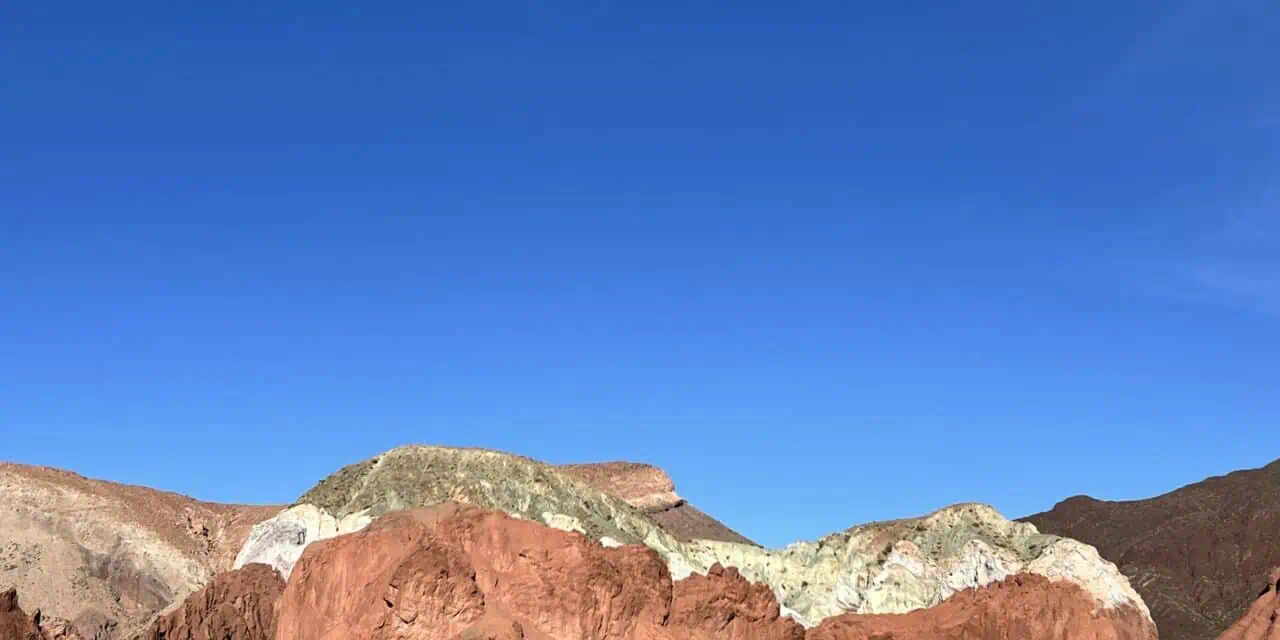
Nestled in northern Chile at a lung-punishing elevation that’ll make you question your life choices, this dusty, magical, sun-scorched corner of South America is one of those places that genuinely looks like another planet. Which is probably why NASA uses it to test Mars rovers. That’s not a joke. The landscape here is so alien that space agencies use it as a stand-in for extraterrestrial terrain. Let that sink in while you lather on your SPF 50.
Here’s everything you need to know about what to do, where to go, and how to survive your trip to the Atacama Desert without completely losing your mind — or your lunch from altitude sickness.
A Quick Introduction to the Town of San Pedro de Atacama
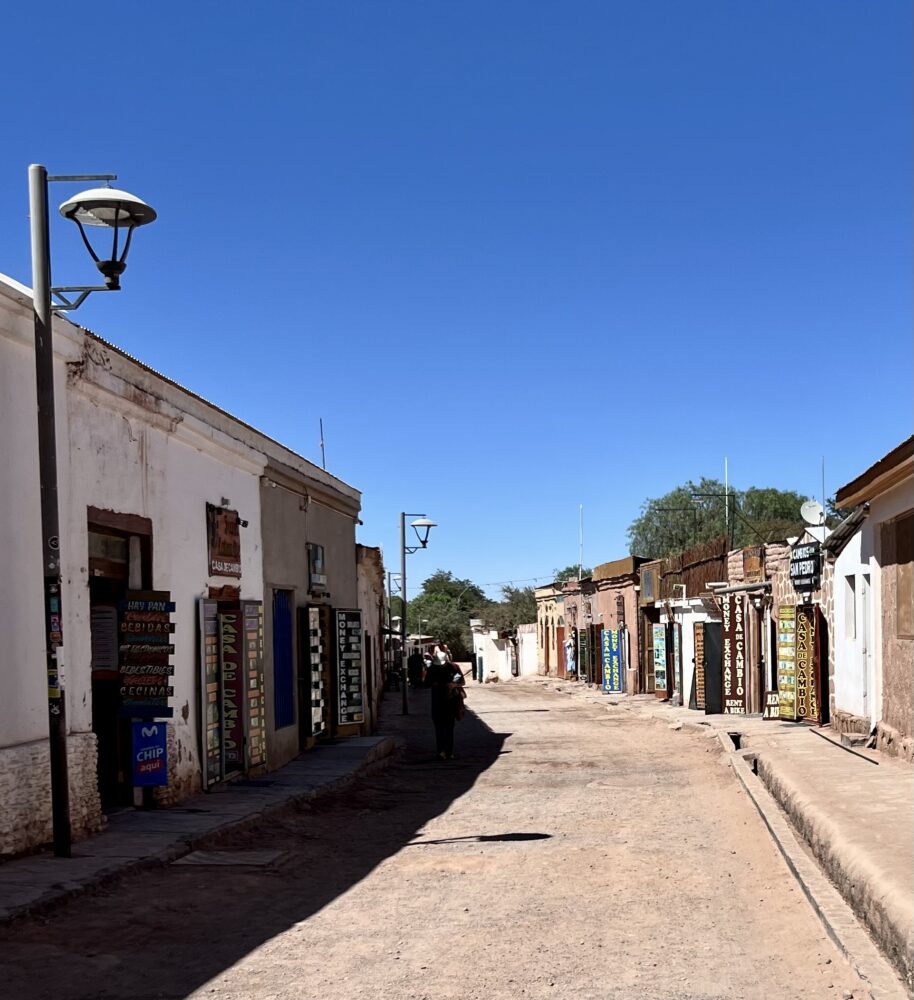
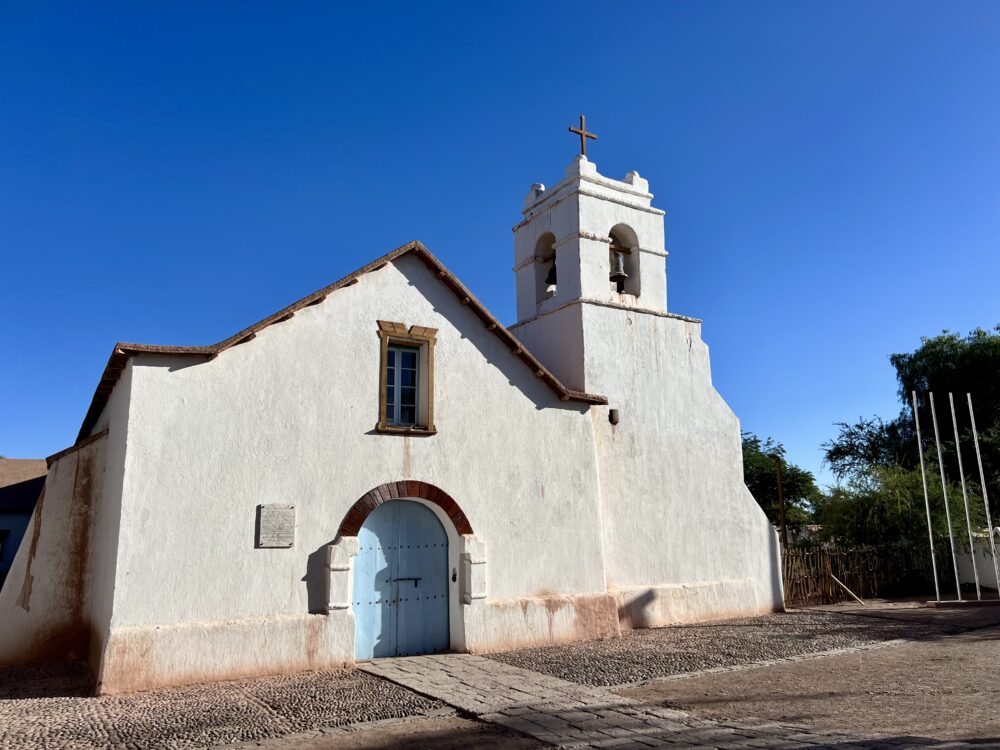
The town of San Pedro de Atacama is small. Like, genuinely small. It’s a small town with dusty streets, adobe buildings, a main square that fills up every evening with sunburned travellers comparing stories, and approximately one ATM that may or may not be working when you need it most.
Despite its size, San Pedro punches way above its weight when it comes to tourist attractions. This is essentially the launchpad for everything. Every single adventure, every dramatic landscape, every surreal natural wonder — it all starts here. The town itself sits at around 2,400 metres above sea level, which means the altitude hits you before you’ve even unpacked your bag. Drink water. Seriously. Lots of it.
The main square is lined with restaurants, craft markets, and tour operator offices. You’ll wander past the same dozen shops about forty-seven times during your stay, and somehow that’s completely fine. There’s a certain charm to the chaos of this place. It’s a perfect place to base yourself for a few days while you slowly tick off everything the Atacama region has to offer.
The Altitude Situation (Let’s Address It Head-On)
Okay, before we get to the fun stuff, we need to talk about altitude sickness. This is not something to be dramatic about, but it’s also not something to wave off like it’s nothing.
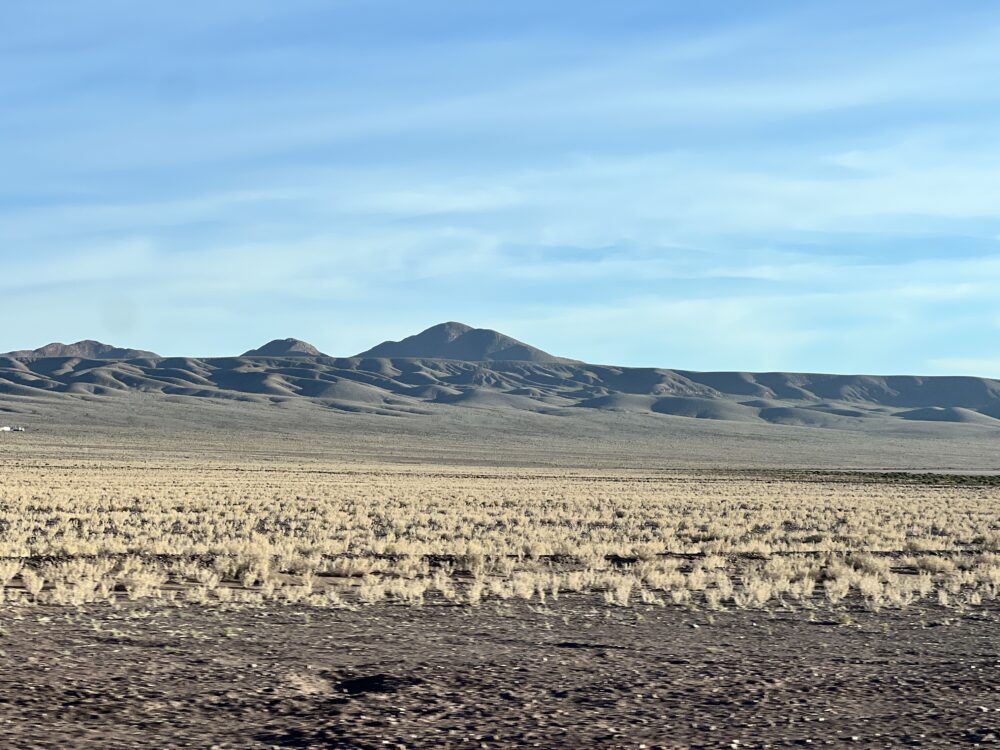
High altitude travel is genuinely a different experience. San Pedro de Atacama sits at a comfortable-ish 2,400 metres, but many of the surrounding excursions go significantly higher — sometimes up to 4,500 metres or more. At those elevations, the air is thin, the sun is fierce, and your body needs time to adjust.
Symptoms of altitude sickness include headaches, nausea, dizziness, shortness of breath, and general grumpiness. The first step to avoiding the worst of it is to spend a day or two in town acclimatising before heading to high altitude destinations. Drink coca tea (the locals swear by it), stay hydrated, avoid alcohol for the first couple of days, and don’t go sprinting anywhere. If your altitude sickness symptoms are severe, descend and seek help. Don’t be a hero about it.
Many tour operators in town will casually mention altitude as an afterthought. Don’t let that fool you. Take altitude sickness seriously, especially if you’re heading up to the El Tatio geysers or the Altiplanic lagoons. More on both of those in a minute.
Valle de la Luna (Moon Valley)
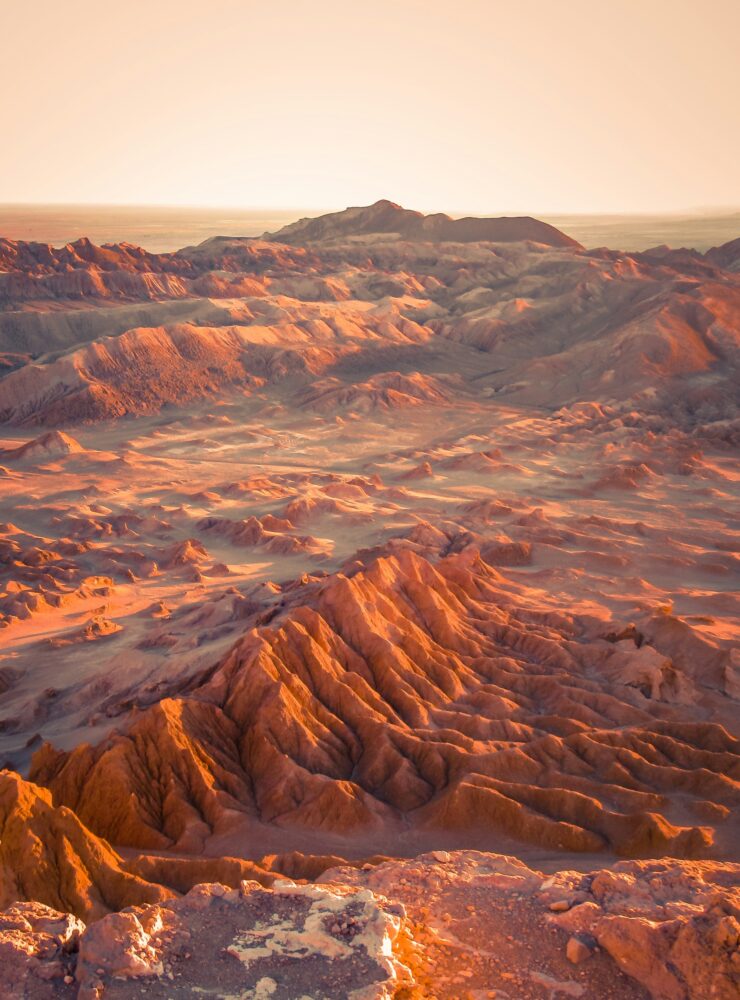
Let’s start with the big one. Valle de la Luna — or Moon Valley — is probably the single most iconic thing to do near San Pedro, and for very good reason. This place is genuinely jaw-dropping.
Valle de la Luna sits in the Cordillera de la Sal, a mountain range made almost entirely of salt and clay that’s been sculpted by millions of years of wind and erosion into something that looks like it belongs on another world. The rock formations here are extraordinary — rippling, layered, almost architectural in their complexity. The colours shift throughout the day, from pale grey in the midday heat to burning orange and deep purple as the sun drops.
The valley of the moon nickname makes complete sense when you’re standing in the middle of it. The ground cracks beneath your feet, the sand dunes rise and fall in sweeping curves, and the silence is so complete it feels intentional. If you time your visit right and catch a full moon, you’ll understand why people lose their minds over this place.
The best time to visit Valle de la Luna is in the late afternoon. Most tours are timed around sunset, and honestly, watching the sun melt into the horizon over those rock formations while the temperature drops dramatically is one of those travel experiences you’ll be talking about for years.
Valle de la Luna has an entrance fee, so budget for that. It’s not expensive, but it’s worth knowing before you arrive. Most tour operators will include it in the price of a guided tour, which is the easiest way to go.
Valle de la Muerte (Death Valley)
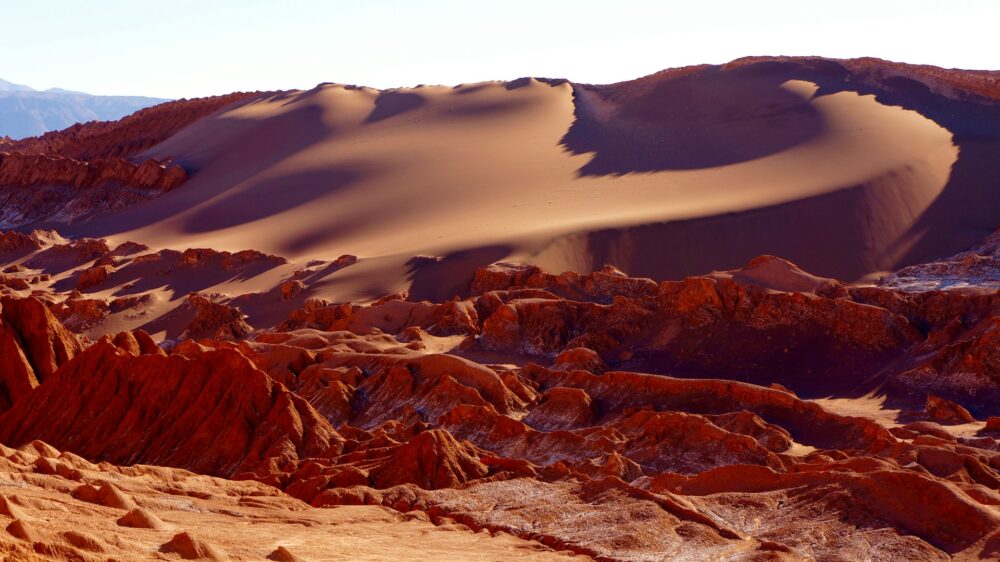
Right next to Valle de la Luna sits its slightly more dramatic sibling — Valle de la Muerte, or Death Valley. The name sounds terrifying but the reality is more “spectacular” than “terrifying.”
Valle de la Muerte is named for its extreme dryness and the way its slopes were once littered with fossilised bones (comforting, right?). Today it’s one of the most popular spots for sandboarding and hiking. The sand dunes here are massive, and sliding down them on a rented board is equal parts terrifying and absolutely brilliant.
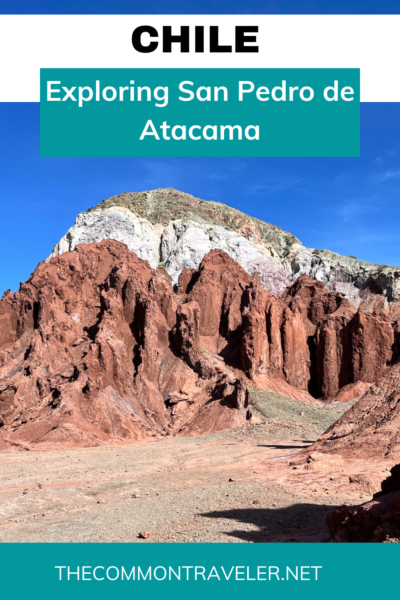
The rock formations and red-tinged landscape of Valle de la Muerte feel like being dropped inside a painting. The red rocks glow almost impossibly bright in the afternoon sun, and the overall effect is one of the most beautiful landscapes you’ll encounter in the entire Atacama Desert.
El Tatio Geysers
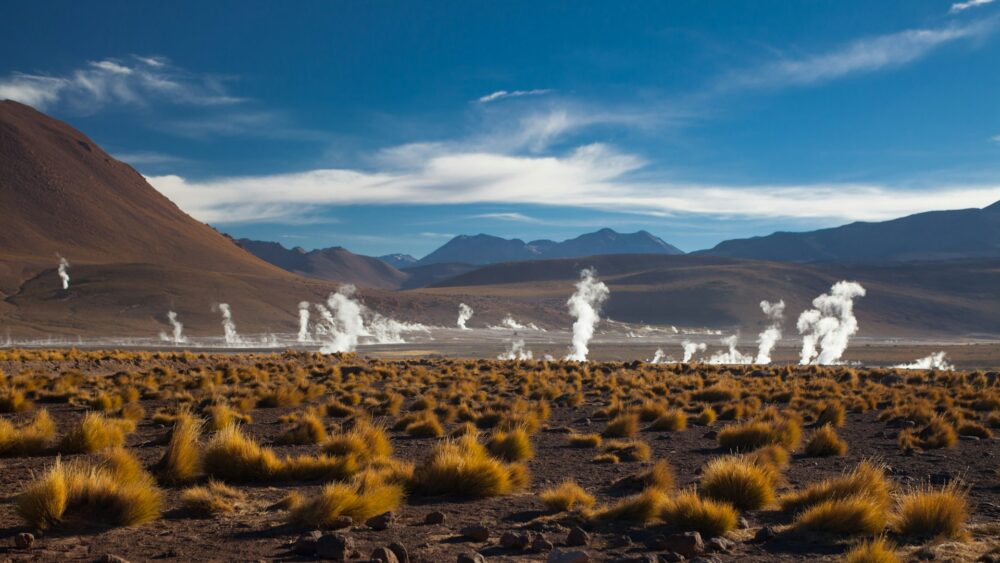
If there’s one experience that demands an early morning wake-up, it’s El Tatio geysers. Your alarm is going off at 4am. You will question every decision you’ve ever made. You will then arrive at the geothermal field as the sun rises over the steam vents and immediately forget all your complaints.
El Tatio geysers is the highest geothermal field in the world, sitting at around 4,300 metres above sea level. The geysers are most active in the early morning when the cold night air meets the superheated water beneath the surface, creating dramatic plumes of steam that billow dramatically against the pale sky. It’s spectacular.
The journey up is done in darkness, typically in a 4×4 vehicle with a tour guide chatting away about geology and local history. The dirt road to get there is bumpy and long, but the payoff is immense.
One very important note: the high altitude at El Tatio geysers is no joke. This is one of the most common spots where visitors experience serious altitude sickness. Take it easy, walk slowly, and don’t push yourself. Many tour operators will advise drinking coca tea before the journey. Listen to them.
Most organised tours include a light breakfast at the geysers, which you’ll eat while wrapped in everything you packed, wondering how you’re simultaneously freezing and getting sunburned.
Stargazing in the Atacama Desert
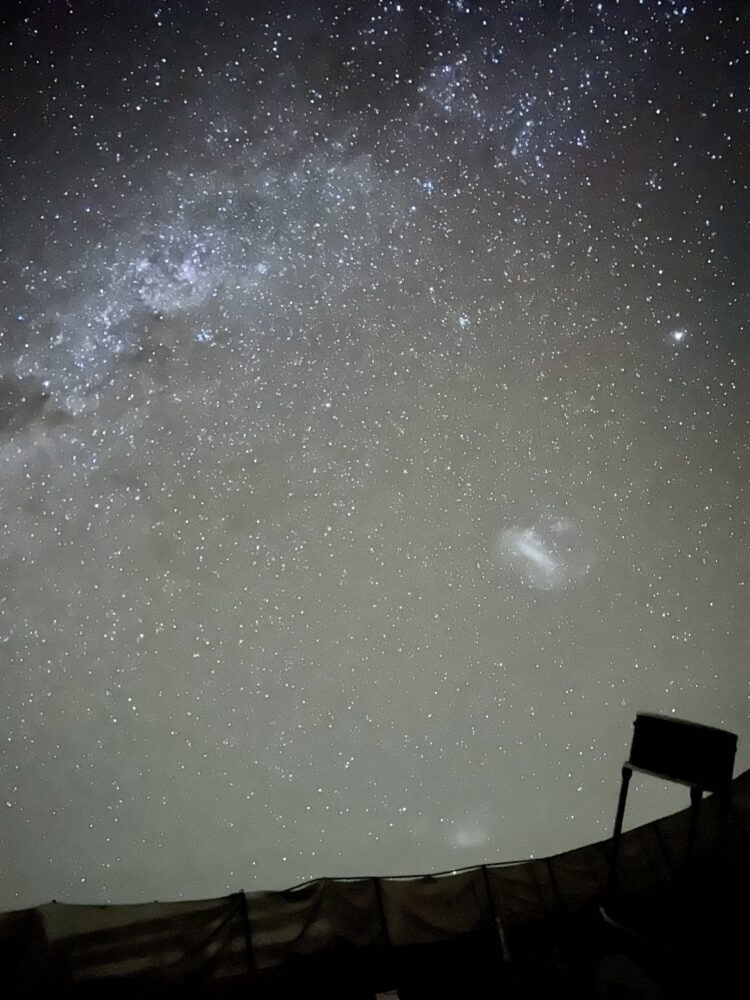
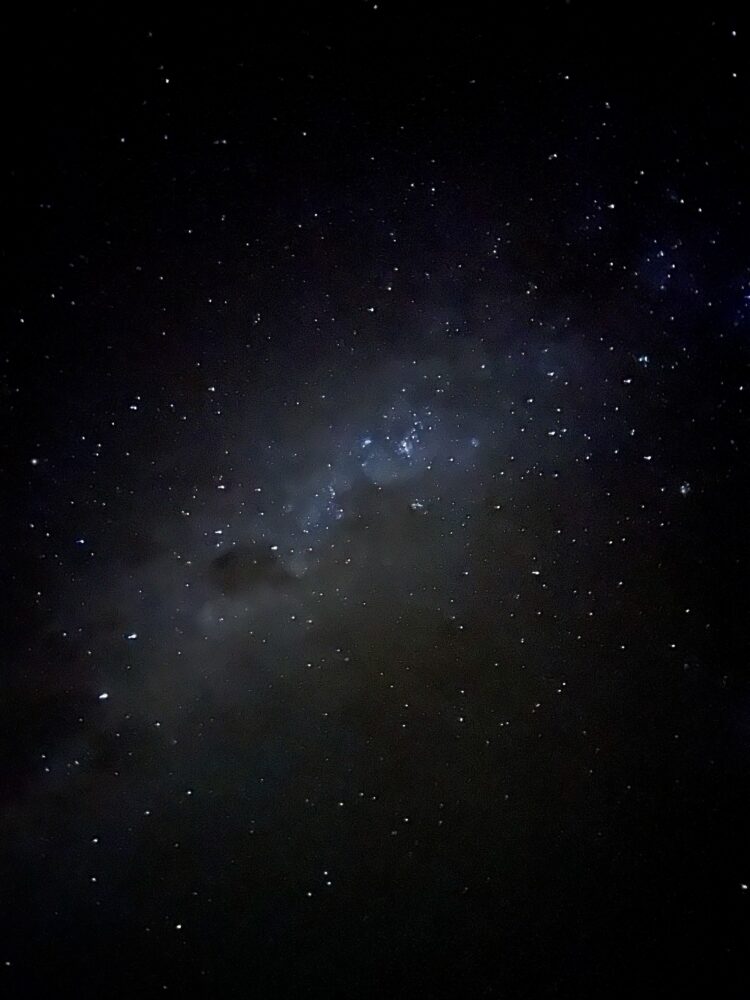
If you’ve ever looked up at the night sky and been genuinely moved by it, you need to do some stargazing in the Atacama Desert. This place has some of the clearest skies on Earth. The driest desert on the planet, extremely high altitude, almost zero light pollution, and consistently cloud-free nights combine to create stargazing conditions that are almost unfairly good.
The Milky Way here is visible to the naked eye. Not as a vague smudge, but as an actual band of light stretching across the entire sky. The first time you see the Milky Way like this, you’ll probably go very quiet for a while. That’s normal. Everyone does.
There are several dedicated stargazing tours run by tour operators in town, ranging from small group experiences with telescopes to private sessions with expert astronomers. The lack of light pollution in the surrounding area means even without a telescope you’re seeing more stars than you ever thought possible.
Some lodges and hotels also offer their own stargazing programmes. If yours does, absolutely take advantage of it. Watching the Milky Way slowly rotate overhead while sitting in the middle of the desert is one of those pure, uncomplicated moments of awe that travel occasionally gifts you.
The Salar de Atacama and the Flamingo Lagoons
The salar de Atacama is the largest salt flat in Chile, and it’s a genuinely fascinating place. Stretching across a vast expanse of the Atacama Desert, this otherworldly white crust conceals some of the world’s largest lithium reserves beneath its surface.
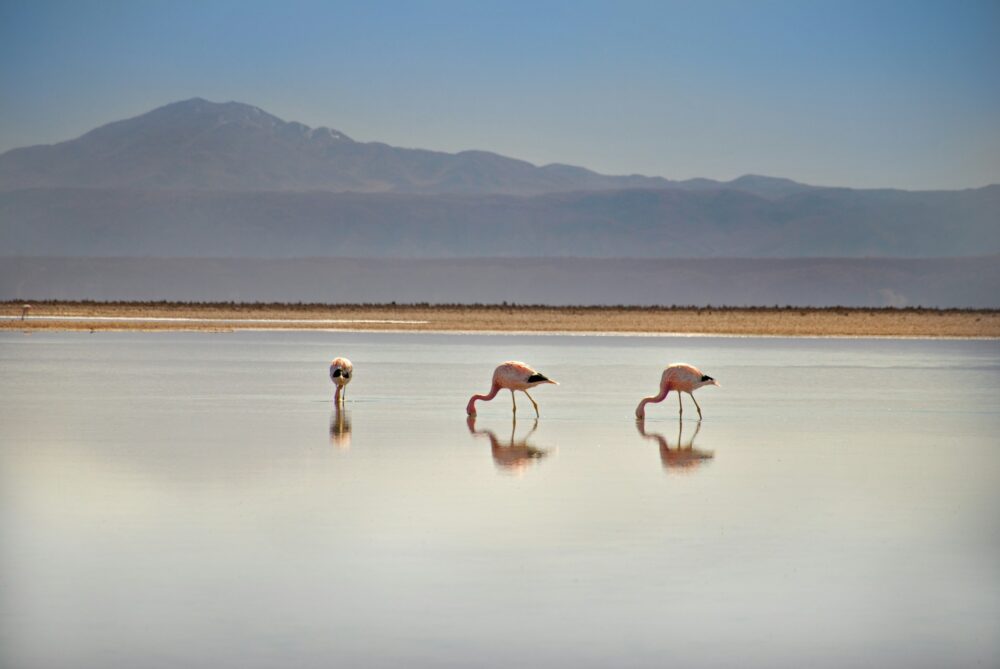
But the real drawcards here are the lagoons and their residents. Laguna Chaxa sits within the Los Flamencos National Reserve and is one of the best spots in the region to see flamingos up close. Three species of flamingo hang out here — James, Andean, and Chilean — wading through the shallow, mineral-rich waters of the atacama salt flat with an air of complete indifference to your presence. It’s brilliant.
Laguna Chaxa has a striking, almost eerie quality to it. The water is perfectly still, the flamingos move in slow motion, and the reflections make the whole scene look almost too perfect to be real.
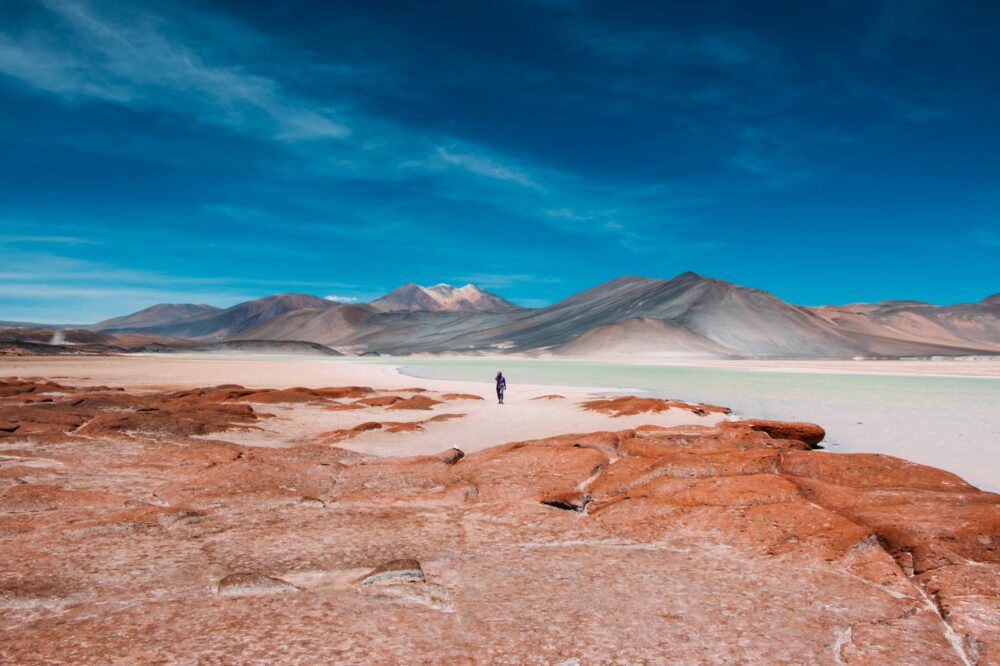
Nearby, Piedras Rojas offers yet another dramatic landscape — red rocks jutting out of turquoise lagoons against the snow-capped backdrop of the Andes Mountains. The contrast of colours here is startling. Deep red rocks, electric blue water, white salt, green scrub. It sounds like someone went wild with a colour palette, but in real life it’s just stunning.
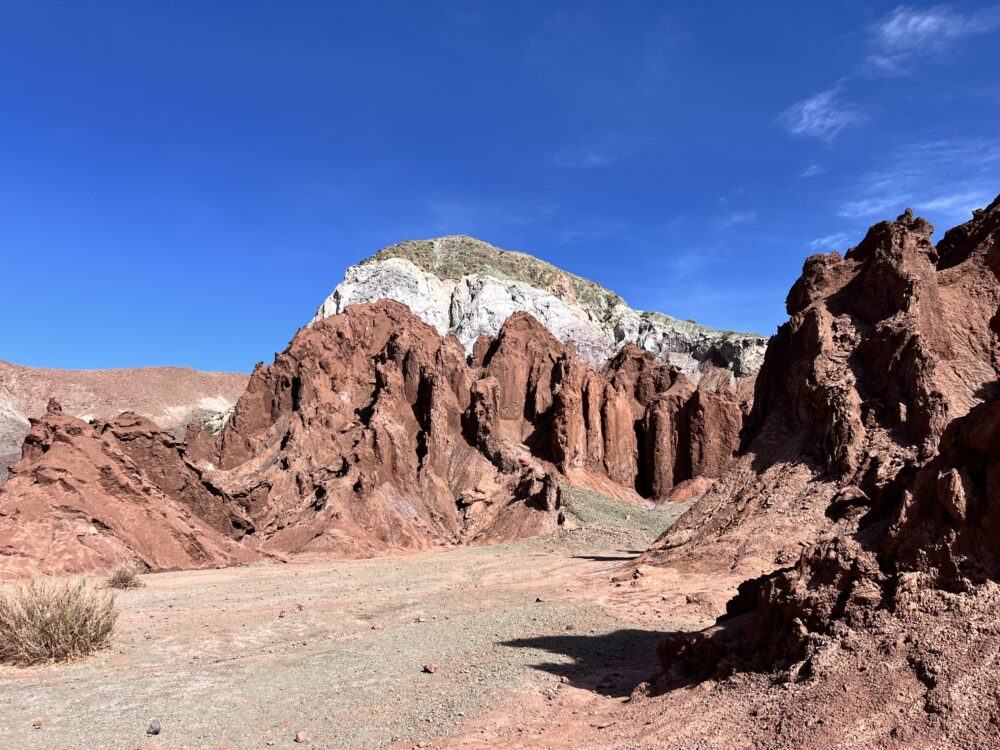
Rainbow Valley
Less well-known than some of the other sites but absolutely worth visiting, Rainbow Valley is a landscape of striking multi-coloured rock formations that look like they’ve been through an abstract painting phase. The layers of mineral deposits in the rock create bands of colour — reds, yellows, greens, and purples — that shift and change depending on the light.
Rainbow Valley doesn’t always make it onto the standard tourist circuit, which means it often feels less crowded than the big hitters. Local guides who know the area well tend to be the best way to experience it properly, and many tour companies include it as part of longer day trips into the surrounding area.
The beautiful landscapes here are different from the stark drama of Valle de la Luna — softer somehow, and more colourful. It’s a great add-on if you’ve got a couple of days and want to see something a little off the main path.
The Hidden Lagoons: Laguna Baltinache and Ojos del Salar
If you want to go swimming in water so salty you literally cannot sink, head to the hidden lagoons of Baltinache or Ojos del Salar.
Laguna baltinache is part of a series of salty lagoons set in a remote part of the desert, accessible by dirt road and typically included in a specific organized tour. The water is so dense with salt that floating is essentially automatic — it’s like a mini Dead Sea. The setting is dramatic and the experience is genuinely fun.
Ojos del Salar — which translates to “Eyes of the Salt Flat” — are two perfectly circular freshwater pools that emerge from the flat desert surface. They look almost artificial, like someone dropped two giant mirrors into the ground. They’re calm, beautiful, and a little surreal.
Laguna cejar is another option in this category, offering similar salt-floating experiences. These spots are best visited through tour operators who know the roads, since navigating the dirt road access points alone without local knowledge can quickly turn into an adventure nobody wanted.
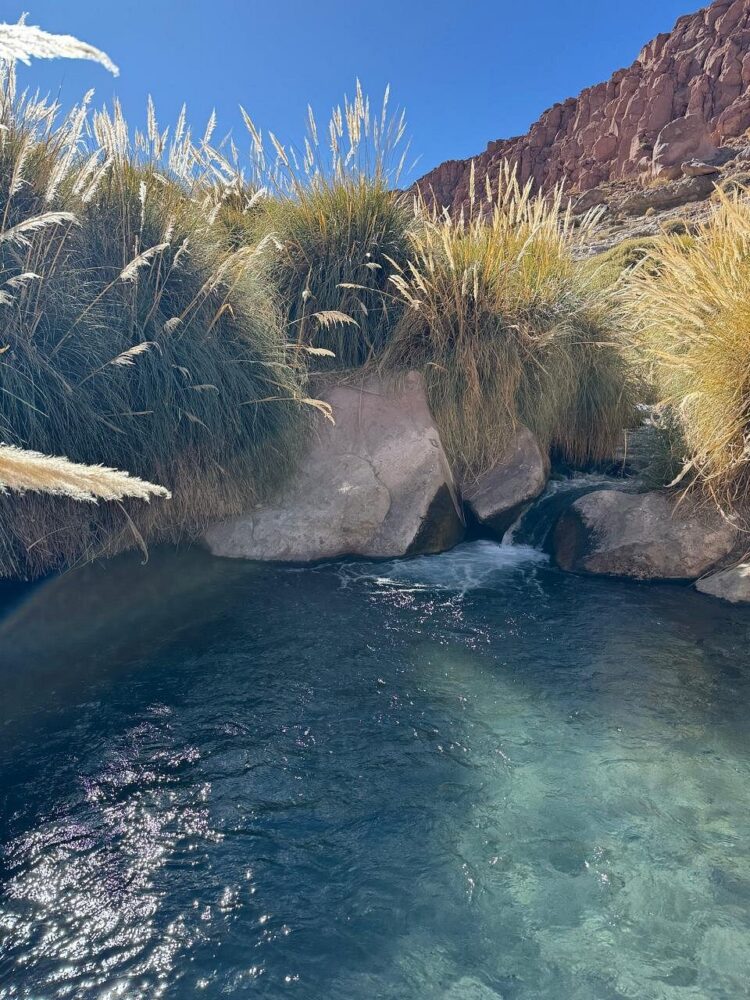
Puritama Hot Springs
After all the hiking, sandboarding, and early morning geyser missions, your body is going to want a break. Enter the Puritama hot springs.
Located about an hour from San Pedro, Puritama hot springs is a series of natural thermal pools set into a canyon in the middle of the desert. The water is warm, the canyon walls provide shade, and the whole setting is genuinely lovely. It’s a perfect place to unwind and let your muscles recover.
There is an entrance fee, and it can get busy during high season, but if you go on a weekday or time your visit carefully, you can still find a quiet pool to soak in without feeling like you’re at a theme park.
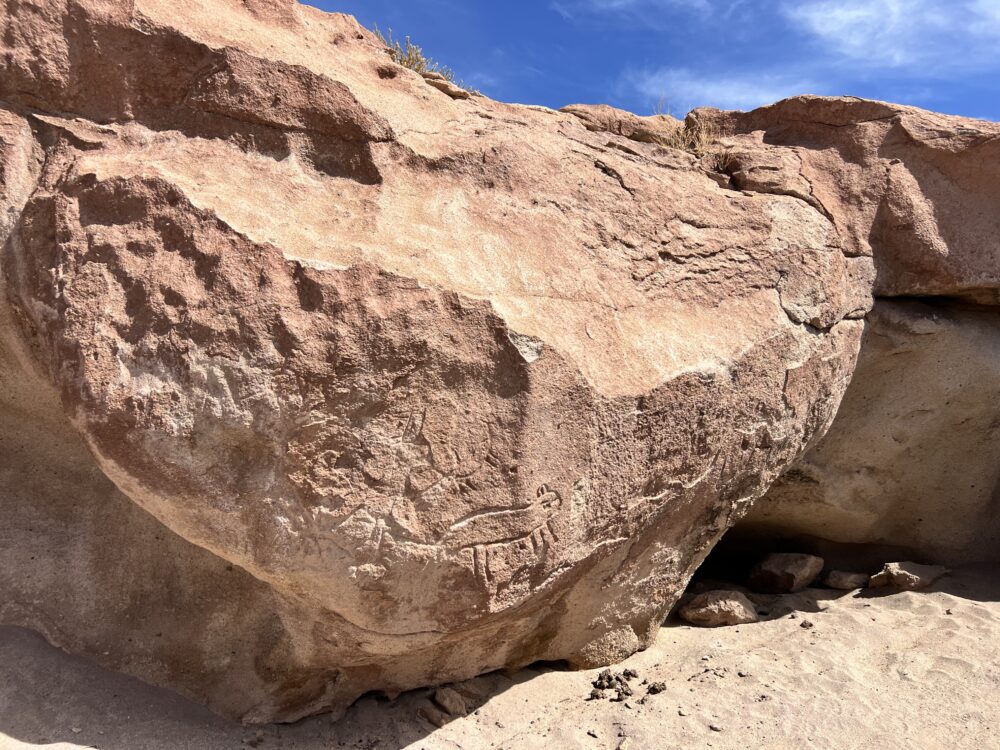
Yerbas Buenas and Ancient Ruins
For something a bit different from the geological spectacles, head to Yerbas Buenas, a site of ancient petroglyphs carved into the rock by indigenous communities thousands of years ago. These ancient ruins and rock carvings offer a fascinating window into the local culture and history of the Atacama Desert.
The local culture of the Atacama is deep, rich, and fascinating. The indigenous Atacameño people — also known as the Lickanantay — have lived in this extraordinary landscape for thousands of years and developed a culture deeply attuned to its rhythms and resources. If you want to understand the Atacama Desert beyond its geological drama, spending time learning about local culture is absolutely worth it.
There are also archaeological sites and small museums in and around the town of San Pedro de Atacama that explore ancient ruins, mummified remains, and the history of the people who’ve called this driest desert home for millennia. The local museum — the R.P. Gustavo Le Paige Archaelogical Museum — is genuinely interesting and very much worth a visit.
Altiplanic Lagoons and the Salar de Tara
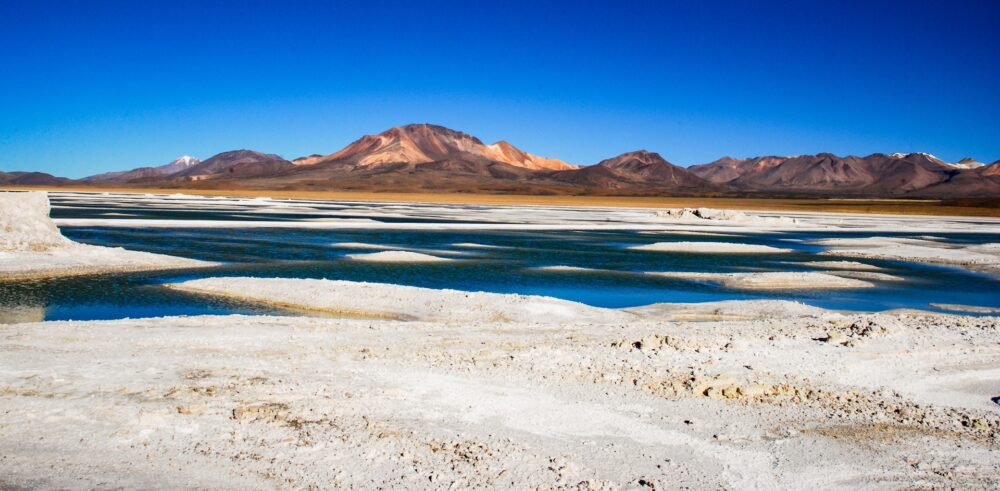
For those willing to go further and higher, the lagunas altiplanicas — or altiplanic lagoons — offer some of the most dramatic scenery in the entire region. These high-altitude lakes shimmer with brilliant blues and greens, ringed by volcanic peaks and populated by flamingos.
The salar de tara is one of the most remote and spectacular of these destinations. Getting there involves a long drive through the andes mountains into seriously high altitude territory. The landscape becomes increasingly austere and magnificent as you climb. Tour operators who run trips here typically use experienced local drivers and provide meals along the way.
The sheer scale of the landscape at these elevations — the massive skies, the silence, the extraordinary clear skies — is something genuinely difficult to put into words. You just have to go.
Practical Tips for Getting Around San Pedro de Atacama
Public transport in the Atacama Desert is limited. There are some buses connecting San Pedro to other towns, but for most of the major attractions, you’re looking at either joining a guided tour or renting a vehicle.
The nearest airport to San Pedro de Atacama is in Calama, about 100km away. From there you can take a bus or shuttle into town. Many travellers fly into Calama from Santiago and head straight to San Pedro.
Tour operators and tour companies are everywhere in town and range massively in quality. Do your research, read recent reviews, and if possible, book with locally owned companies that employ local guides. Not only does this support the local economy, but local guides simply know the landscape, the history, and the local culture far better than anyone else.
Best Time to Visit San Pedro de Atacama
The best time to visit San Pedro de Atacama is generally between March and May, or September and November. These shoulder seasons offer pleasant temperatures, fewer crowds, and good conditions for most activities.
The best time to visit for stargazing is whenever you can guarantee clear skies and no full moon — new moon periods offer the best views of the Milky Way since there’s less natural light pollution to contend with.
Summer (December to February) is high season and gets busy, with prices rising accordingly. The Atacama Desert technically does get occasional rainfall during the Bolivian winter (January to February), and in extreme years can even see heavy snow at altitude, which affects road conditions to certain sites.
Winter months (June to August) are cold, particularly at night and at high altitude, but visibility tends to be excellent and crowds are thinner.
The best time for el tatio geysers is, as mentioned, the early morning during colder months when the steam vents are most dramatic.
Why San Pedro de Atacama is Worth Every Effort
There are destinations you visit and enjoy, and then there are destinations that genuinely change something in your perspective. San Pedro de Atacama is firmly in the second category.
The driest non-polar desert on Earth is a place of extremes — extreme dryness, extreme elevation, extreme temperature swings, and extremely dramatic natural beauty. The fact that life exists here at all feels like a small miracle, and the fact that human culture has thrived here for thousands of years is an even greater one.
Whether you’re watching the sun set over Valle de la Luna while the red rocks turn gold, floating effortlessly in the salty lagoons near Laguna Baltinache, marvelling at the flamingos of Laguna Chaxa, or lying on your back in the middle of the desert watching the Milky Way arc overhead — San Pedro delivers experiences that are hard to find anywhere else in South America or the world.
It’s a great place that asks something of you — a little patience, some physical adjustment, a willingness to wake up at 4am — and rewards you generously for all of it.
Go. Drink the coca tea. Take it slow at first. And look up at night. You’ll thank yourself.
Check out these related posts:
Happy travels,
Annick, The Common Traveler
Save this guide to “San Pedro de Atacama” for later – pin and share it!


 Raised as a third culture kid living in South America and Europe, Annick caught the travel bug early. As an empty-nester, Annick enjoys sharing her tips for traveling for those with champagne taste and beer budgets.