
We may earn money or products from the companies mentioned in this post.
So, you’re considering Gdansk in winter. Maybe a friend suggested it. Maybe snow-dusted Old Town photos caught your eye and you thought, “Yes. That. I want that.” Either way, congratulations—you’ve made a great choice. A Gdansk winter adventure sneaks up on you. You arrive ready for cobblestones and cold fingers. You leave with a full heart, amber jewelry in your bag, and a late-night pierogi craving.
This isn’t a typical travel guide. Think of it as your been-there companion to one of Europe’s underrated winter destinations. Whether with family, a partner, or solo, Gdansk in winter is — without a doubt — an ideal getaway.
Let’s jump in.
Why Gdansk in Winter? Seriously, Why?
Before we get into logistics, let’s be honest: it’s cold. Expect Baltic winds, grey skies, and temperatures that make your nose run before you leave the hotel. But that’s part of the appeal.
Gdansk in the winter months is a different beast entirely compared to the warmer months. During summer, the city is buzzing with tourists, queues snake out of every museum, and finding a spot at a riverside restaurant involves competitive elbowing. But in colder months? You get the city almost to yourself. Fewer crowds, shorter queues, and a far more authentic experience of what this charming city is actually like. You’ll seem less like a tourist and more like someone who simply lives there — just one who inexplicably photographs every doorway.
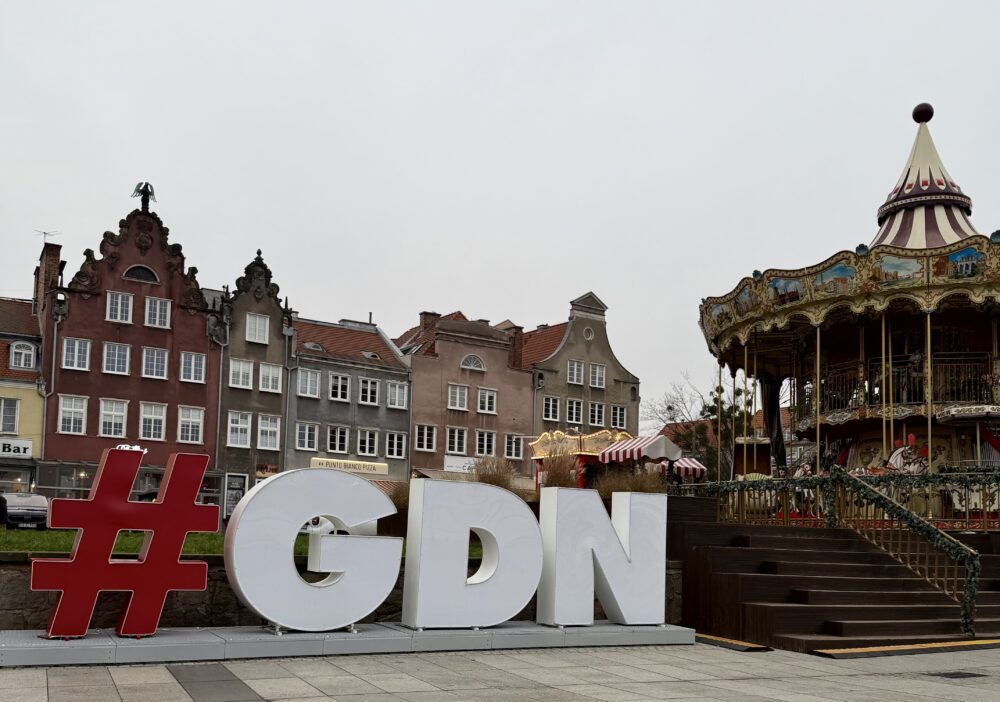
The winter season also brings something completely magical: the Gdańsk Christmas Market. More on that later. But trust us, it alone is worth the trip.
Getting There and Getting Around
Gdansk is located in northern Poland, right on the edge of the Baltic Sea, and it’s incredibly well-connected. You can fly directly into Gdansk Lech Wałęsa Airport from many major European cities, or take a scenic train journey from Warsaw, which takes around three hours and is surprisingly comfortable. This was straightforward and easy once I figured out the train system. Once you’re at the train station, you’re already in great shape — the city centre is a short walk or quick tram ride away.
Once in town, public transport is your friend. Trams and buses are reliable, cheap, and frequent. Most major attractions are walkable if you stay in a central location. Buy tickets at most stops and validate them when you board — inspectors are polite but strict.
Start in the Heart: Gdansk Old Town
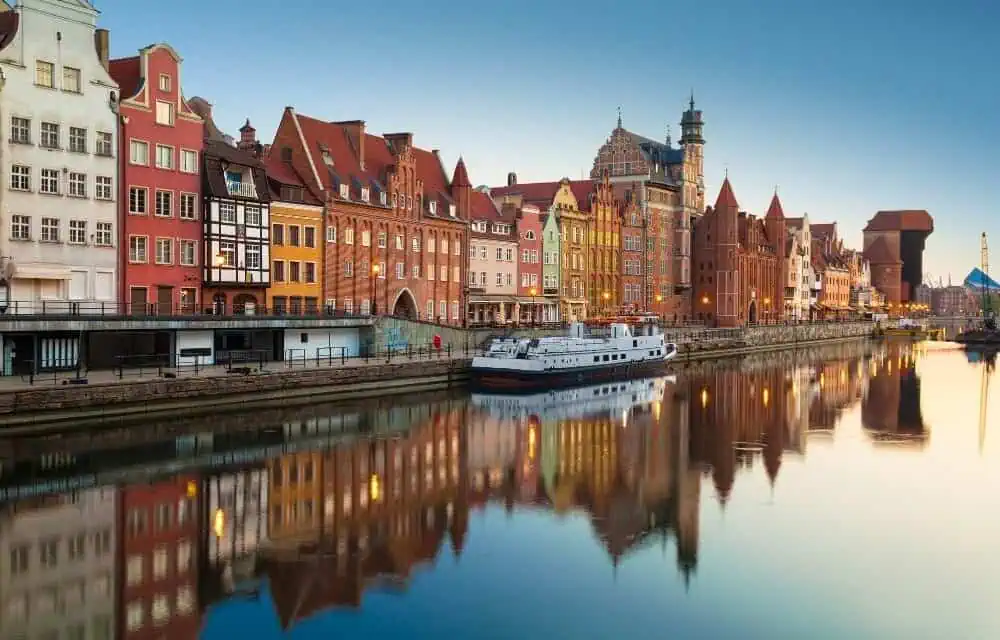
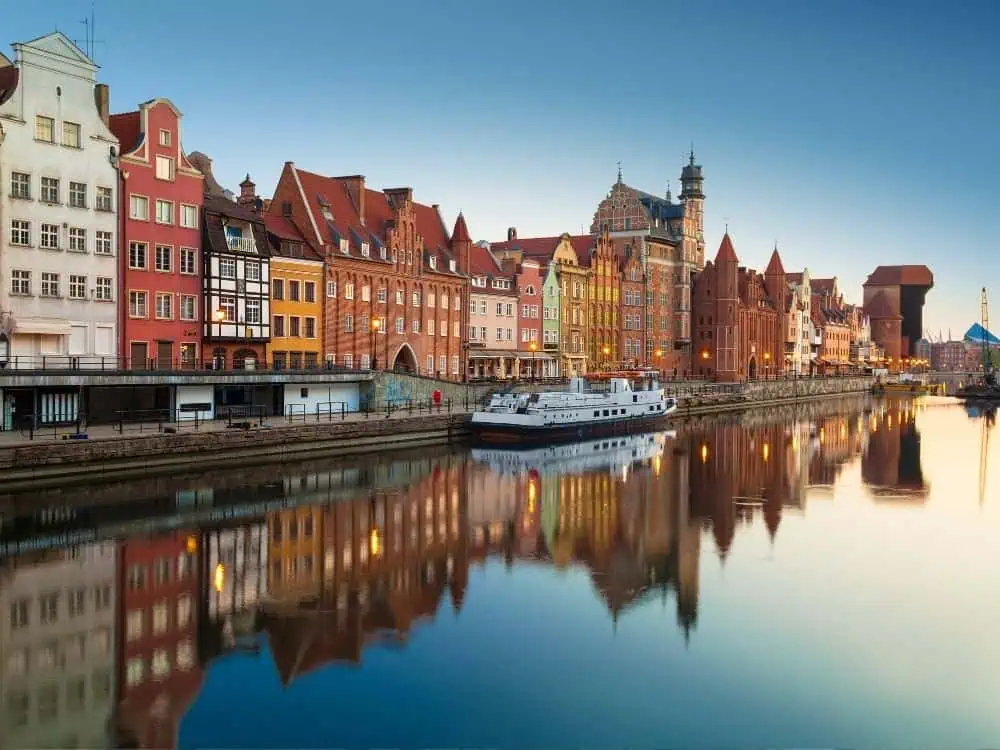
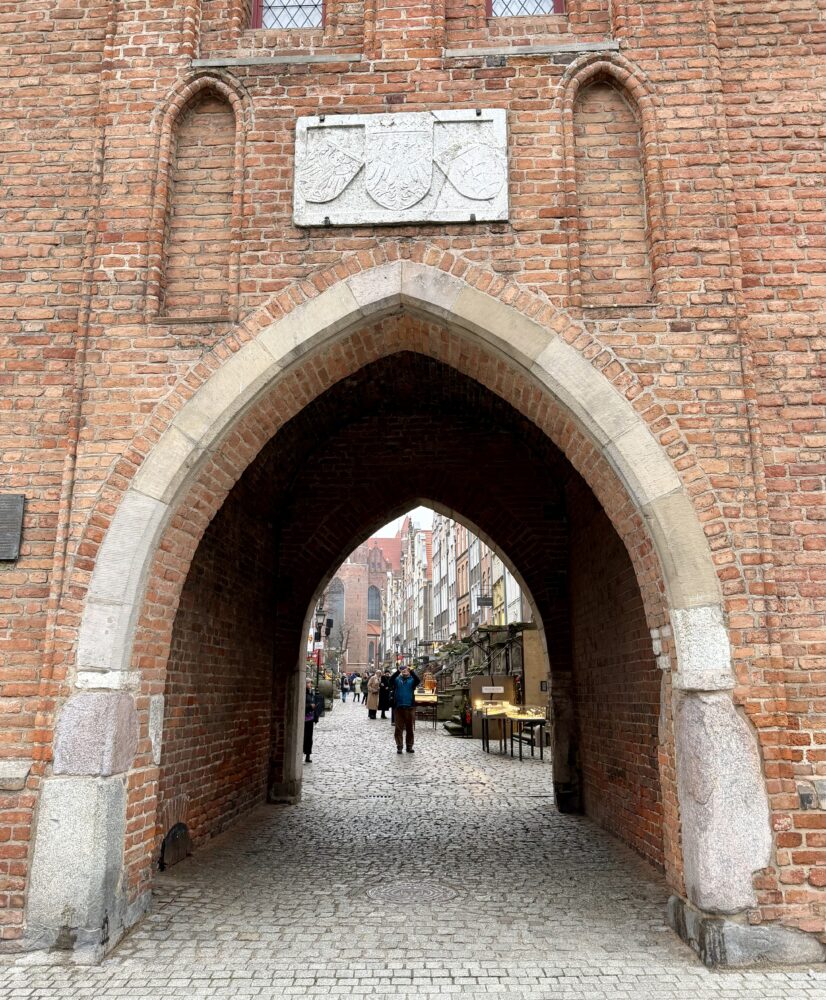
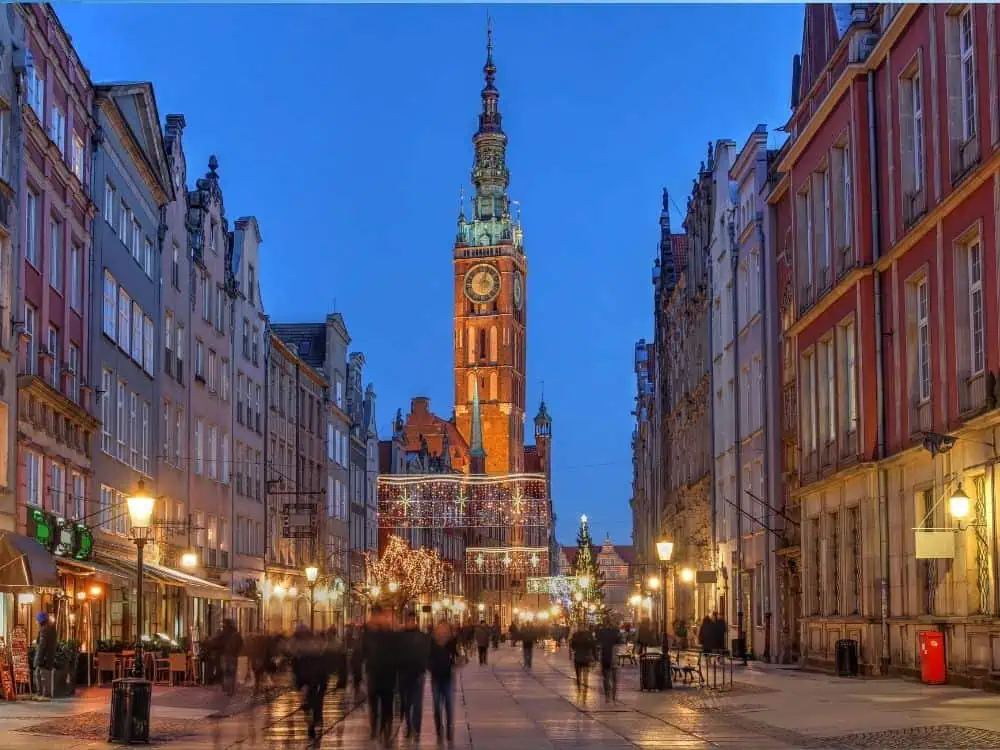
The heart of Gdansk beats in the Old Town. It’s the ideal place to start any visit. Step through the iconic Golden Gate — the grand archway at the entrance — and you’re transported. The historic buildings along Długa Street glow amber and terracotta even in winter light. The scene is so cinematic you’ll be reaching for your phone constantly.
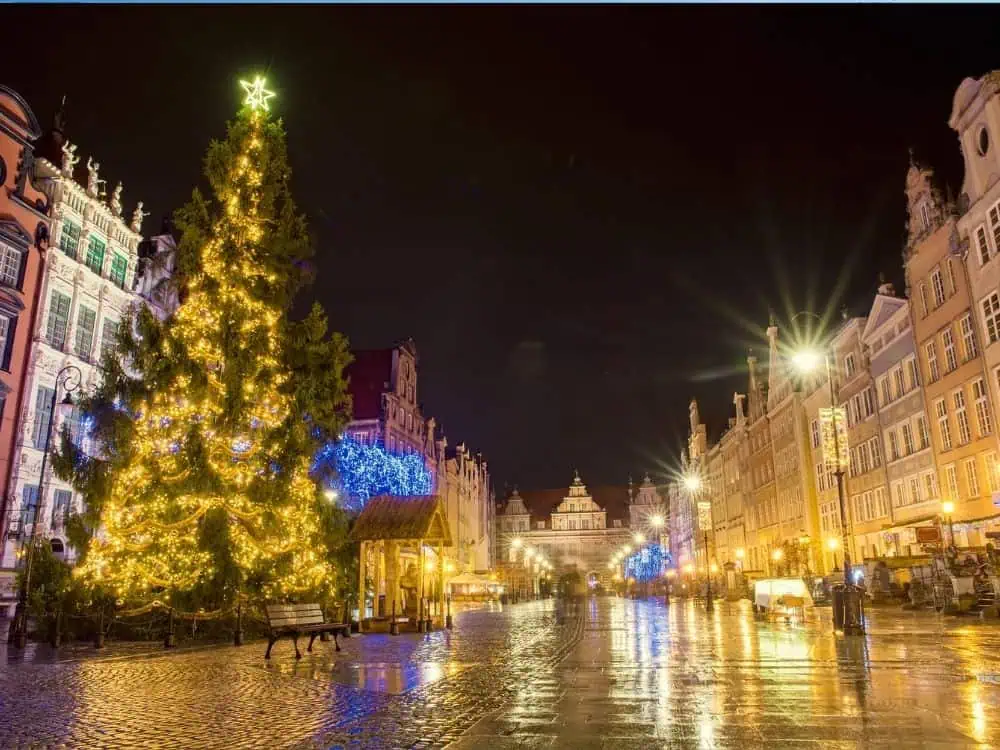
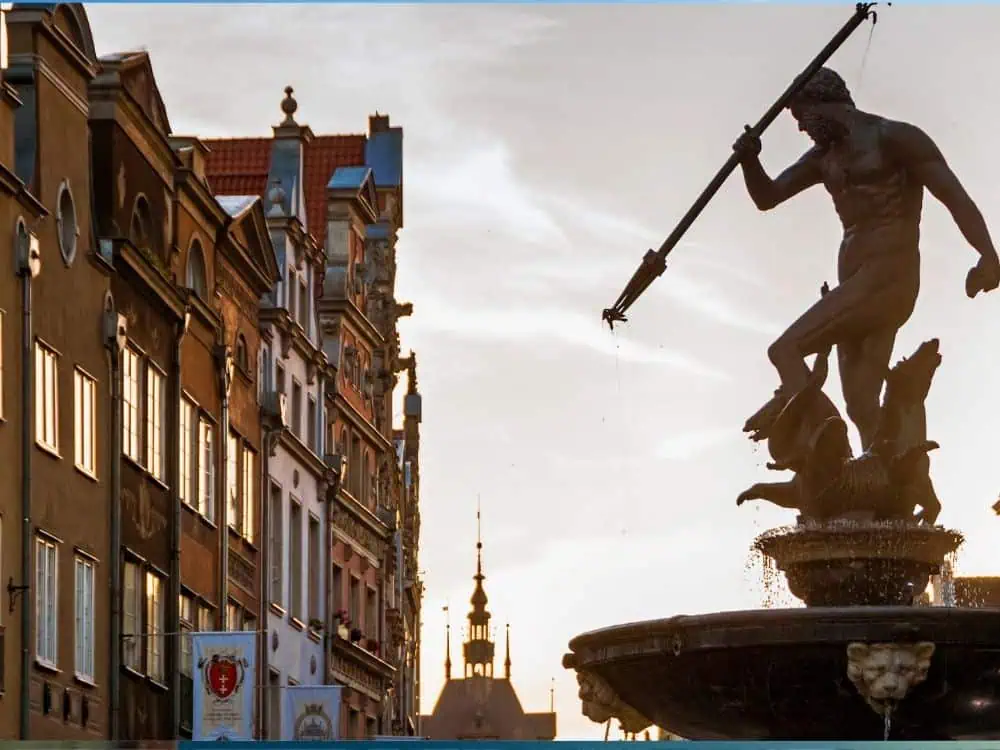
Follow Długa Street down towards Długi Targ, Gdansk’s main market street and one of the most photographed stretches of road in Poland. In the winter months, it’s decorated with lights and festive garlands, turning it into something straight out of a fairy tale. This is also where you’ll find Neptune’s Fountain — a beautiful baroque monument that’s been standing here since 1633 and still draws admirers even when it’s wrapped in ice.
The Main Town Hall towers over this space magnificently. It’s one of the city’s finest examples of Gothic and Renaissance architecture. You can go inside to visit the museum, which gives you a solid grounding in the city’s fascinating, turbulent, and rich history. The views from the top are spectacular — a proper viewing platform moment, if your legs are willing.
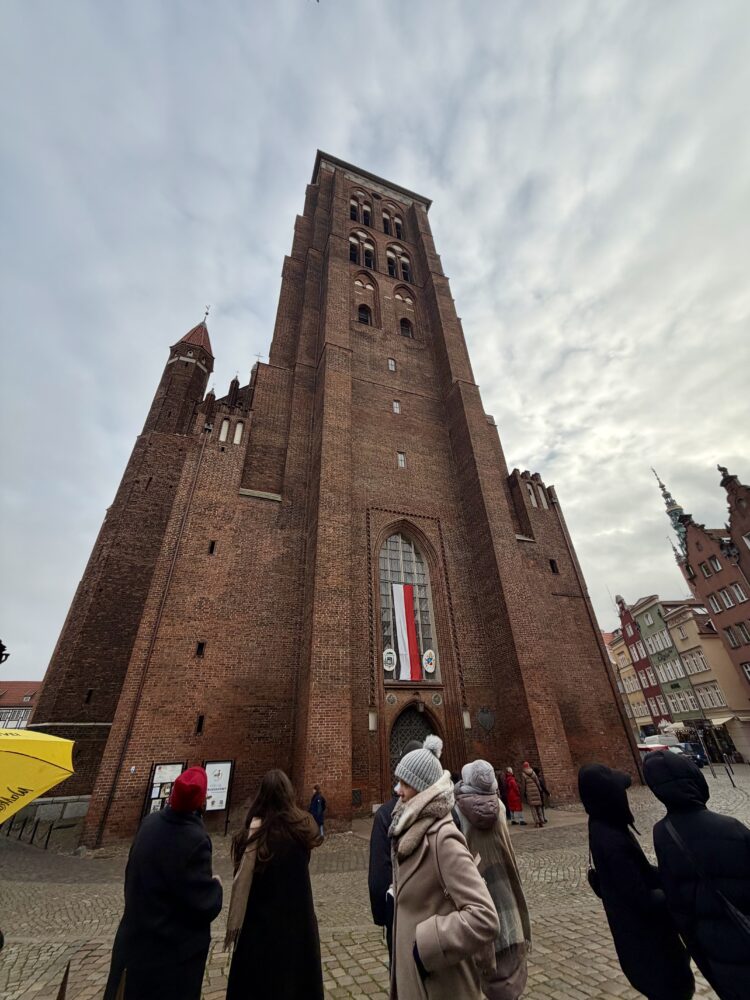
St Mary’s Church: Big Doesn’t Begin to Cover It
If you do nothing else in Gdansk, please — please — enter St Mary’s Church. It is one of the world’s largest brick churches. Stepping inside for the first time is a rare travel “wow” moment. The vast interior is almost disorienting. Your voice echoes. Your neck cranes back. You suddenly feel very small. Somehow, that’s a wonderful feeling.
Climbing the tower is worth it. There are many stairs, and you may need a moment at the top to catch your breath. Still, the panoramic view over the historic city and rooftops is extraordinary. On a clear winter day, everything is frosted and still. This view shows why people have celebrated the city for centuries.
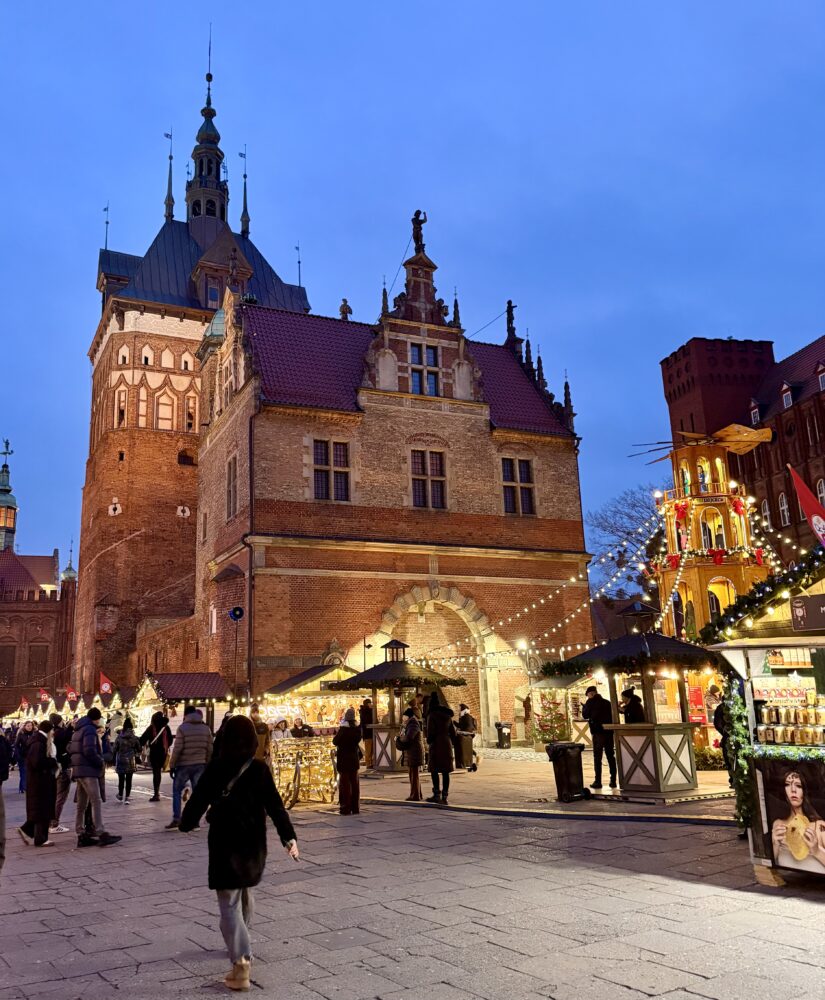
The Gdańsk Christmas Market: Your New Favourite Festive Tradition
Let’s talk about the Gdańsk Christmas Market, because it deserves its own extended love letter. It’s the main reason that I was attracted to visiting this beautiful city.
Running from late November to just before Christmas, this market transforms Długi Targ and nearby streets into pure festivity. Wooden stalls offer handmade crafts, mulled wine, roasted nuts, local treats, and — of course — more amber jewelry than you can imagine. The aroma (pine, cinnamon, frying dough) alone is worth the airfare.
Early December is arguably the perfect time to visit if the market is your primary motivation. The decorations are fresh, the stalls are fully stocked, and the holiday-season buzz is just beginning to build, without reaching peak chaos. Come on a Saturday morning, and you’ll find locals and visitors mingling around the food stalls, kids wide-eyed at the lights, and street performers adding to the general magic.
Many people debate which is the best Christmas market in Poland — Kraków and Wrocław both put in strong performances — but Gdansk’s has a certain maritime atmosphere, framed by those gorgeous historic buildings and the nearby Motława River, that gives it a unique edge. It genuinely feels as though stepping into a different era, and the festive season here is one of the best things this city does.
The Amber Museum: More Interesting Than It Sounds
Yes, there is an entire museum dedicated to amber. And yes, it is a very interesting museum.
In a medieval tower near the Town Hall, the Amber Museum tells the story of Baltic amber — from its millennia-old origins to its cultural roles. Poland has some of the richest deposits, and exhibits range from beautiful jewelry to prehistoric insects trapped in golden resin.
If you’ve been browsing the souvenir shops along Długa Street, wondering whether you should splash out on a piece of amber jewellery, visiting the museum first is a genuinely good idea. You’ll understand the quality, the history, and — perhaps most usefully — how to spot a fake. The Amber Museum is open daily, and entry is very reasonable, making it one of the best places to stop for both culture vultures and casual visitors alike.
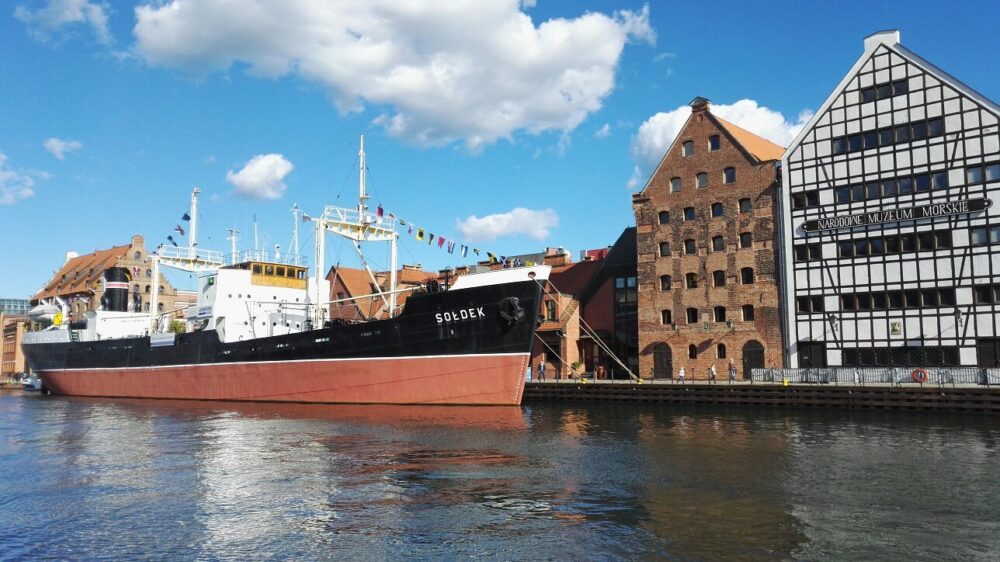
The National Maritime Museum: For the Nautically Curious
Gdansk and the sea have a long history, and the National Maritime Museum does a superb job of telling that story. Spread across several locations, including a series of historic buildings on the waterfront and a few hulking old ships you can actually explore, this is a museum that earns its keep.
The Motlawa River flows by, and even in winter, the museum’s views over the water are stunning. It’s great for families — kids explore ships while adults geek out on maps. Even if you’re not a maritime buff, the setting and collection are impressive.

The European Solidarity Centre: History That Still Matters
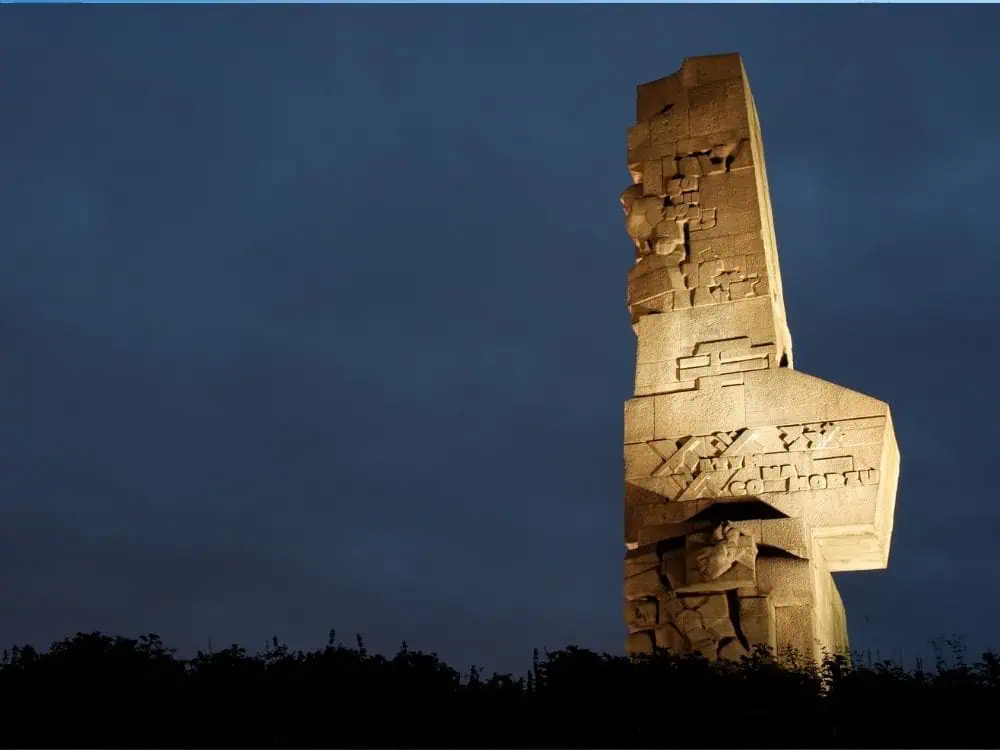
One of the most emotionally powerful experiences Gdansk offers is a visit to the European Solidarity Centre, located near the Gdańsk Shipyard — the birthplace of the Solidarity Movement that ultimately helped bring down communism in Poland and across much of Eastern Europe.
The building is striking — rusted steel evokes shipyard heritage. Inside, the permanent exhibition guides you through the Solidarity Movement with photos, artifacts, personal stories, and interactive displays. It’s the kind of museum that makes you pause and reflect.
This is one of Gdańsk’s top attractions and, arguably, one of Europe’s most important museums. It brings late 20th-century history to life — especially for young visitors, for whom the Solidarity era is recent history.
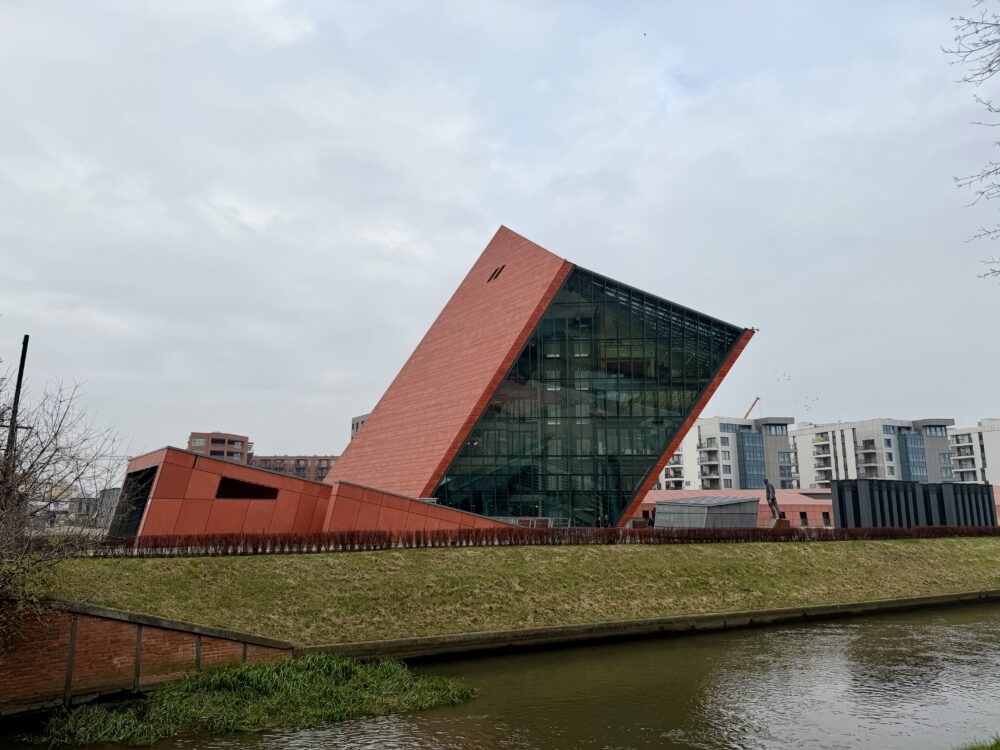
Museum of the Second World War: Sobering and Essential
The Museum of the Second World War is another essential stop, and it earns that description with quiet authority. This is a vast, immersive, and deeply moving museum that covers not just the Polish experience of the war but the global catastrophe it represented. It opened in 2017 and has already established itself as one of the finest historical museums in Europe.
Be prepared to spend a good three to four hours here — it’s not somewhere you rush. Allow yourself to be moved, to be educated, and to sit quietly with the weight of what you’re learning. It’s one of the best museums you’ll find in any European country, and while it’s not a light afternoon out, it’s the kind of experience that changes your perspective in important ways.
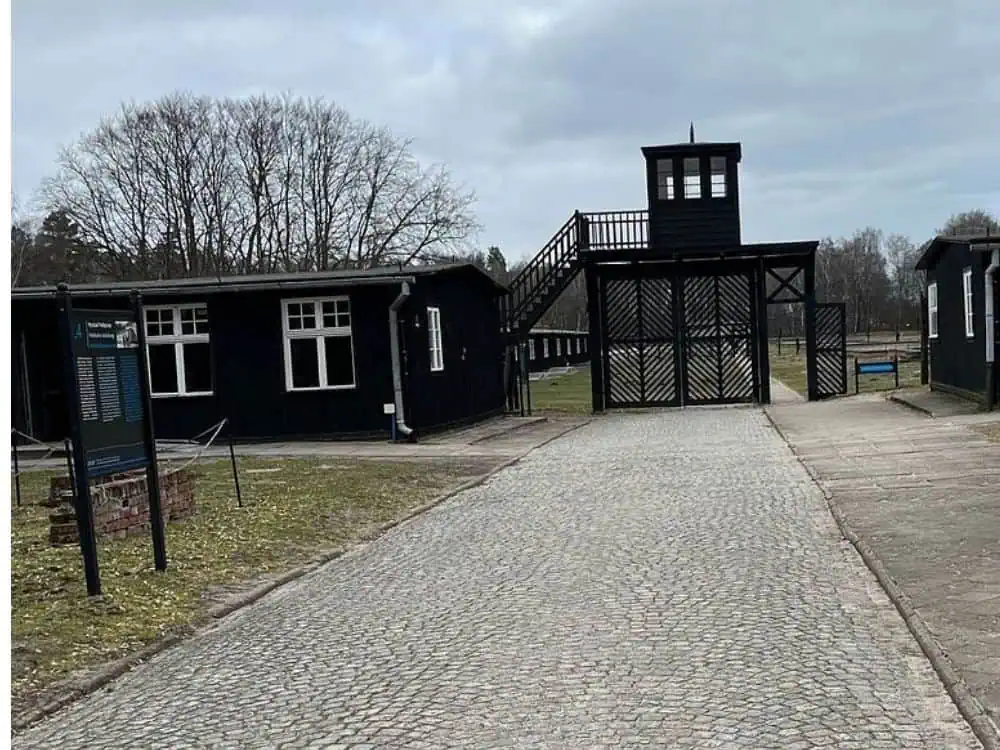
Stutthof Concentration Camp: A Day Trip Worth Making
A short distance from the city, the Stutthof Concentration Camp is a sobering yet deeply important day trip for those who feel called to visit. It was the first camp established by the Nazis outside German borders and one of the last to be liberated. Visiting is a solemn, unforgettable experience that provides essential historical context for understanding the region.
It’s accessible via public transport and is worth visiting if you’re able. Winter visits, with the bare trees and cold ground, add a particular starkness to the experience that is, in its own way, appropriate. It is not an easy visit, but it is meaningful. I skipped this site, but have regretted it ever since – don’t be like me.
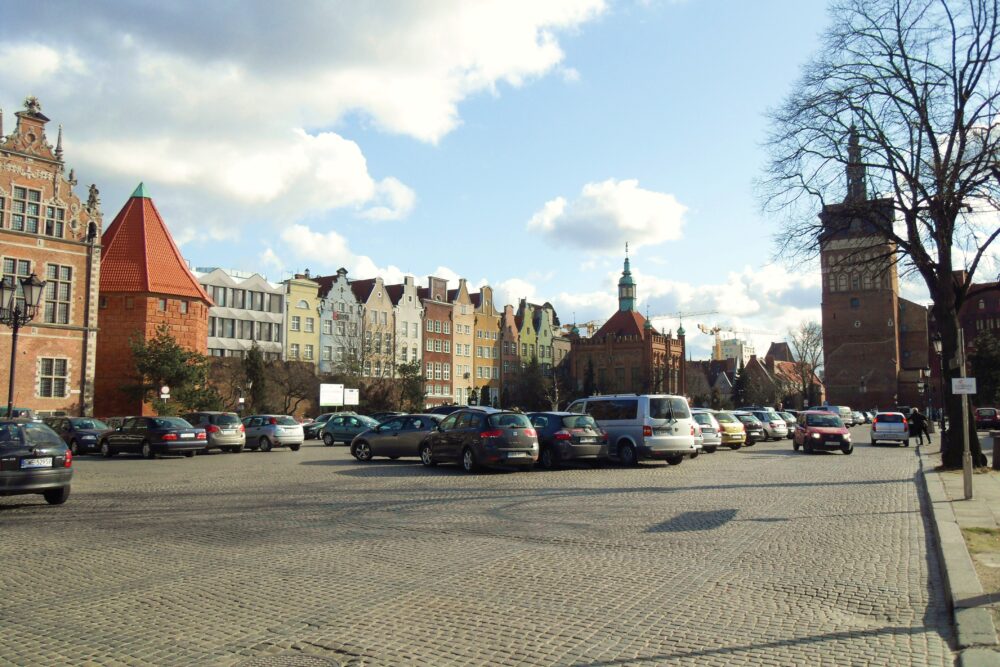
Coal Market and Targ Węglowy: Don’t Skip the Edges
Right near the Golden Gate, you’ll find Targ Węglowy — the Coal Market — a beautiful open square that most visitors walk straight through without a second glance. Don’t be one of those people. Linger here. Look up at the surrounding architecture. It’s less touristy than Długi Targ and all the more charming for it.
This whole area, connecting the main city gates and squares, is a great location for a leisurely wander. There are fewer souvenir shops and more everyday Polish life happening, which is refreshing. Pick up a coffee from a local café and watch the world go by for twenty minutes. This is what winter vacations should feel like.
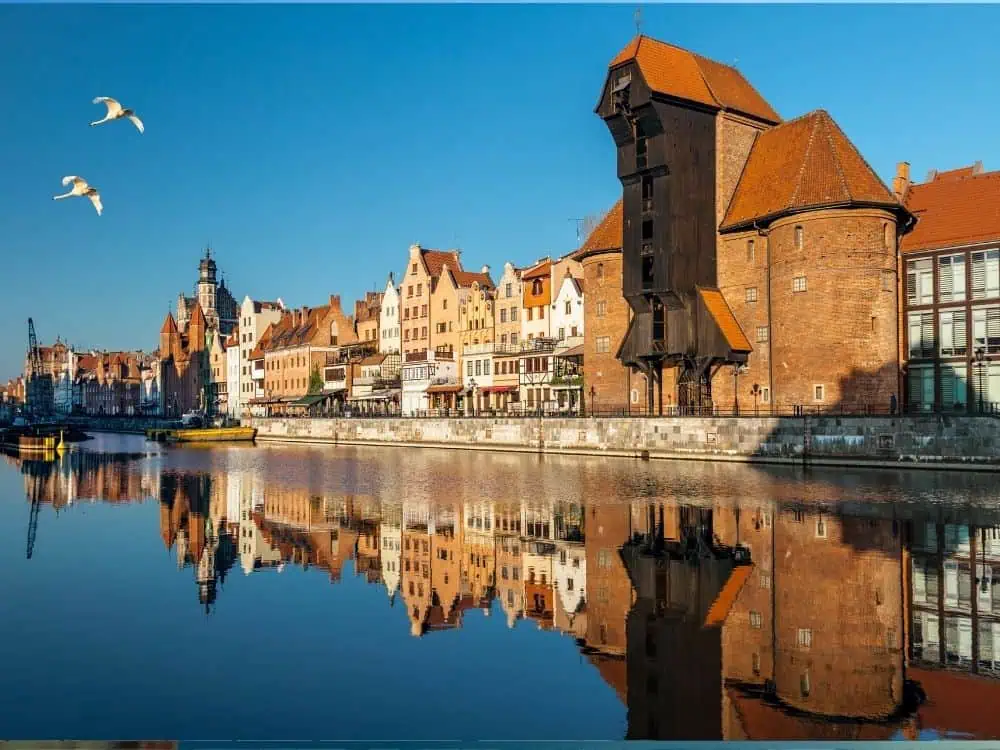
Taking a Walking Tour
One of the absolute best things you can do in any unfamiliar city is take a walking tour, and Gdansk is no exception. Several operators run tours year-round, and in winter, you’ll often get a more intimate experience with smaller groups and guides who really want to share their knowledge.
A good walking tour will take you through the Gdansk Old Town, past the Main Town Hall, through Długi Targ, and down to the waterfront along the Motława River. Some extended tours also include the Gdańsk Shipyard and the area around the European Solidarity Centre. The guides tend to be local, passionate, and brilliantly informative — they bring the rich history of this place alive in a way that no guidebook quite manages.
Where to Eat and Warm Up
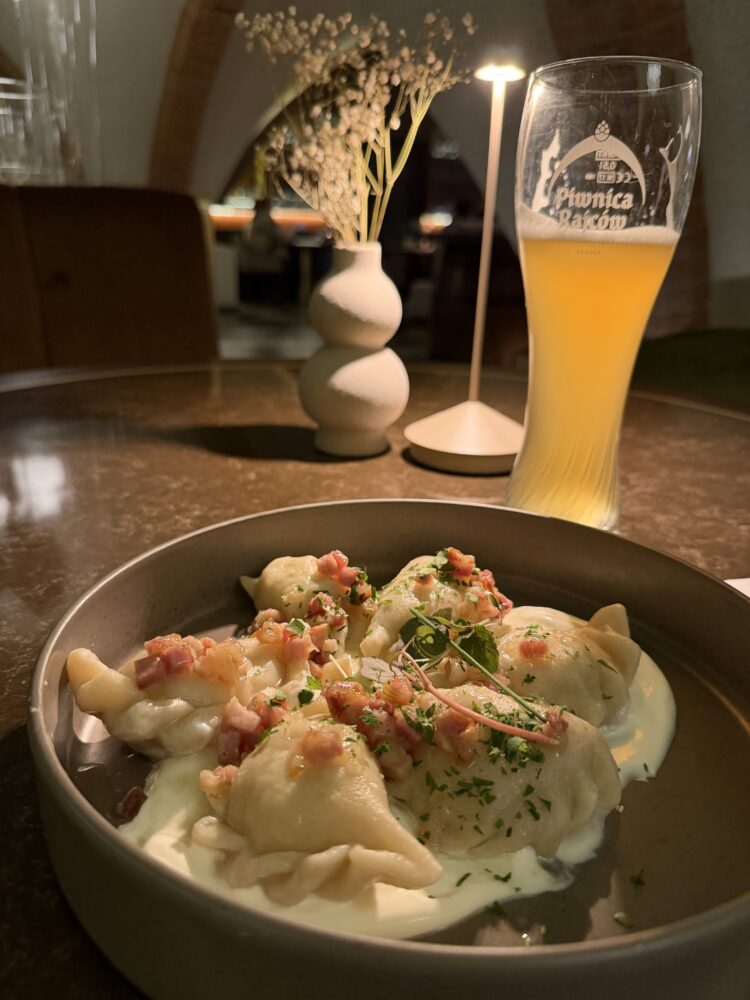
Cold weather and good food are, frankly, a perfect partnership. Gdansk’s restaurant scene has grown brilliantly over recent years, and in winter you want to be looking for cosy, candle-lit spots serving hearty Polish comfort food. Think bigos (hunter’s stew), żurek (sour rye soup), pierogi in every imaginable variety, and roast duck that could make you weep with happiness.
For something quick and warming, the food stalls at the Gdańsk Christmas Market are an obvious and brilliant choice. Roasted chestnuts, oscypek (smoked sheep’s cheese grilled and served with cranberry jam), and mulled wine are your cold-weather companions.
The area around the Motława River has some excellent restaurants with waterfront views — even in winter, sitting by that dark, gleaming water with a bowl of hot soup feels enormously right.
Staying in Gdansk: Where to Rest Your Weary (Cold) Feet
For those looking for a comfortable, well-located base, Solarento Apartments is worth considering. Situated in a great location relative to the main sights, it offers the kind of space and comfort that makes a winter stay genuinely pleasant rather than merely functional. Having an apartment setup is particularly useful in winter — you can come home from a day of exploring, make a hot drink, and decompress properly before heading out for dinner.
When choosing where to stay, prioritise proximity to the city centre and Gdansk Old Town. Having everything within a short walk transforms your trip from good to great, especially when the temperatures drop and the idea of negotiating public transport after a long day feels deeply unappealing.
Practical Tips for Your Winter Visit
A few tri-city best travel tips worth tucking away before you go:
Layer everything. The Baltic Sea winds are no joke, particularly in January and February. A proper base layer, a warm mid-layer, and a waterproof outer shell will make the difference between enjoying yourself and miserable shivering outside St Mary’s Church.
Embrace the darkness. Gdansk in winter has short days — it gets dark around 4pm in December. Rather than fighting this, lean into it. The illuminated old town after dark is genuinely magical, and the festive atmosphere of the Christmas market is best experienced in the evening gloom.
Book museum tickets in advance. While winter brings fewer crowds than summer, the Museum of the Second World War and European Solidarity Centre can still get busy, particularly at weekends. Booking online avoids any disappointment.
Don’t try to do everything in one day. Gdansk rewards slow exploration. Give yourself at least three full days — more if you can manage it. There’s a reason seasoned travellers keep coming back to this historic city.
Is Gdansk a Good Winter Destination for Everyone?
In short: yes. It is a perfect choice for couples, a great city for solo travellers, a surprisingly fun family trip destination, and a deeply rewarding destination for anyone with even a passing interest in history, architecture, food, or beautiful places. It’s one of those perfect place discoveries — the kind you tell everyone about for months afterwards.
The festive season makes it particularly special for those who love Christmas markets and Christmas carols drifting through cobblestone streets. But even outside the market period, through January and February, the winter visit experience is compelling. There’s a quiet dignity to Gdansk in the colder months that’s hard to find in cities that chase the summer crowd.
A Few Words on the Surrounding Area
Gdansk sits at the centre of the Tri-City region, alongside Gdynia and Sopot. Both are worth a short walk — or rather, a short tram ride — if you have time to spare during your winter break. Sopot in particular has a melancholic, off-season seaside charm in winter that’s unexpectedly affecting. Stroll down the empty pier, watch the grey Baltic Sea, and eat some fish and chips in a warm café. It’s oddly wonderful.
Final Thoughts on This Magical Cold-Weather City
There’s a moment, typically on your second evening in Gdansk, when the city clicks. You’re walking back from dinner, the old town is glowing with light, the cold air smells faintly of woodsmoke, and you suddenly think: why doesn’t everyone know about this place?
Of course, people do know about it — but not enough of them choose it for their winter vacations. And honestly? That’s your gain. While the rest of the world queues outside the Eiffel Tower or swelters in Lisbon, you’re wandering through one of the richest, history-laden, architecturally spectacular, culturally fascinating cities in northern Europe, with space to breathe and time to think.
Gdansk in winter is, we’ll say it plainly, a perfect destination. It’s a beautiful city that wears the cold weather well, that offers the best things in compact, walkable abundance, and that has a way of getting under your skin and staying there long after your final trip home.
Book the flights. Pack the thermal socks. Go.
Check out these related posts:
- Guide to Best Things to Do in Riga, Latvia
- 10 Best Day Trips from Vilnius, Lithuania
- Is Transnistria Worth Visiting?
Happy travels,
Annick, The Common Traveler




 Raised as a third culture kid living in South America and Europe, Annick caught the travel bug early. As an empty-nester, Annick enjoys sharing her tips for traveling for those with champagne taste and beer budgets.